
 E-Paper



Rich, dark, spreading fast: How did Indian chocolate get so cool?

 Prefer HTon Google


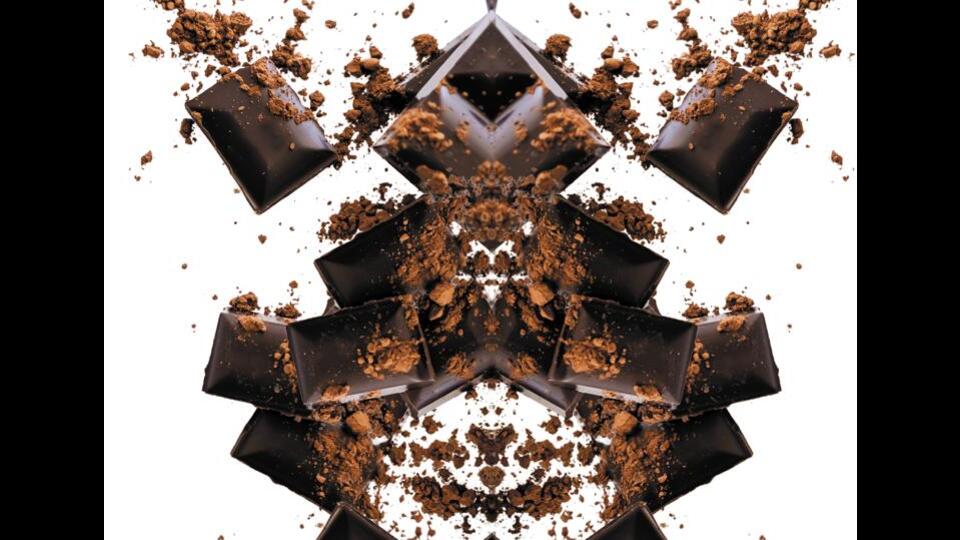
India’s craft-chocolate makers are breaking the mould. Finer beans, textures and local flavours are winning global prizes. Your childhood treat is growing up
Take a slow stroll past the chocolate aisle of a gourmet store or supermarket today and watch the revolution unfold, step by step. Racks that were once stocked with brands imported from the UK, US, Australia, Japan and Europe, now proudly hold chocolate that’s grown, processed and made in India.
This isn’t the birthday freebie from schooldays past. India’s craft-chocolate industry now extends to more than 50 brands, which produce small-batch bars largely using cacao beans grown in south India. Even the oldest brands aren’t much more than a decade old. Expats took the first risks, training farmers to grow better beans, produce finer bars, and locals have followed suit.
Unlike snooty Swiss brands, which go on and on about tempering and texture, local chocolate companies are determined to champion artisanal methods and distinctive Indian flavouring.
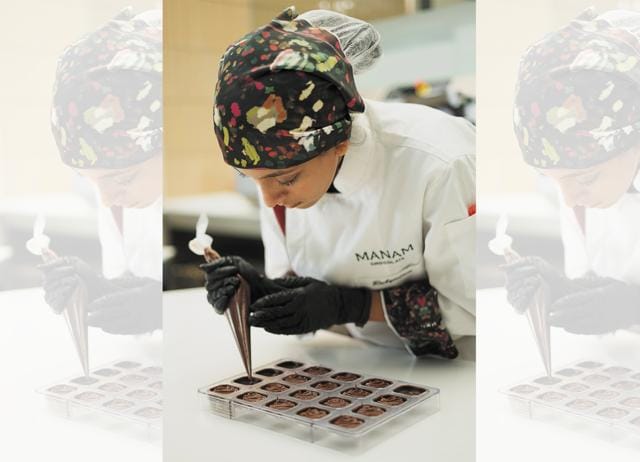
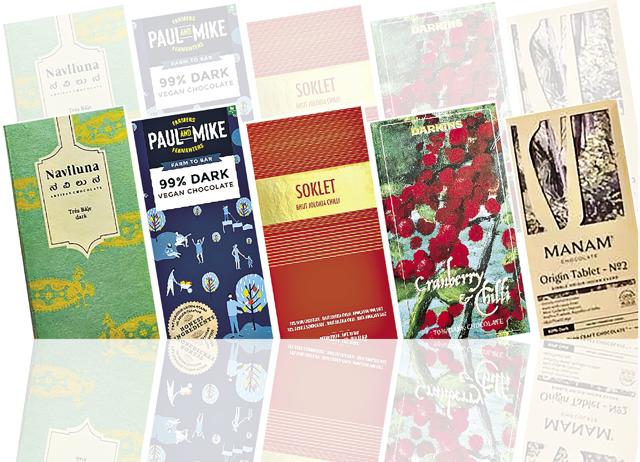
Mysuru-based Naviluna (formerly Earth Loaf) has been around since 2012 and makes a chocolate with caramelised mosambi (sweet lime) and carraway. Soklet, established in 2015 in Coimbatore, has one with 72% dark chocolate, hibiscus and pumpkin seeds. Manam Chocolate, which launched in Hyderabad last month, infuses some bars with jackfruit and local pedda rasalu mangoes. An India raised on milky, sugary Dairy Milk, is slowly getting excited about dark chocolate with sourdough, jamun, jaggery, balkan rose, beetroot halwa, Sula wine, ghee, banana, even paan.
The world is taking notice. At the 2021 International Chocolate Awards, Kerala-based Paul And Mike became the first Indian company to win a silver for its 64 Percent Dark Sichuan Pepper and Orange Peel Vegan Chocolate. In this year’s Asia-Pacific edition, Indian craft chocolates won 13 awards across multiple categories. India held its first Cacao and Craft Chocolate Festival in Bengaluru in November, hosting workshops and tastings. Another edition was held in Mumbai in February. “India is learning to appreciate the cacao in its dark form”, says Nitin Chordia, founder of Chennai-based Kocoatrait Chocolates. He also runs Cocoshala, a chocolate-training institute and incubation centre.
Bean there, done that
All stories of chocolate start with a bean. And in India, cacao beans have been growing since 1960, cultivated mostly for mass-market brands such as Cadbury and Campco. No one cared about growing better beans or refining the fermentation and drying process that is so essential to creating finer chocolate. Artisanal chocolate-makers began upskilling farmers in the 2010s, on the bet that there’d be takers for a high-quality product from India.
Karthikeyan Palanisamy and Harish Manoj Kumar of Soklet started experimenting with chocolate in 2015, using cacao beans Kumar was growing for industrial brands on his family’s farm in Coimbatore, Tamil Nadu. They even got a consultant from Hawaii, US, to help. “Our beans were rejected by chocolate experts in the US, but they were intrigued by this new origin story”, Palanisamy says. All of 2016, the duo worked on the harvesting, fermentation and drying – the three key processes that determine the flavour of the beans. In 2017, their beans were selected among the global top 18 at the Cacao Of Excellence awards, which recognises bean quality and flavour diversity.
Flavour savers

For Indian bean-to-bar chocolate makers, as with artisanal brands in Indonesia, Vietnam and Taiwan, the struggle to be recognised is unique and specific. Fine, high-quality chocolate has long been marketed by countries such as Switzerland and Belgium, as a function of tempering, or slow melting the mix at precise temperatures. Brands sourced their beans in bulk from Africa and Latin America, positioning it as secondary to the process.
Modern craft chocolate makers, on the other hand, focus on where the bean comes from, and how they’re fermented and dried. Good chocolate, like a good wine, draws on beans from a single farm, so the flavours of the crop are most pronounced. The cacao fruit is fermented as soon as it is harvested. “Every farm and every batch is a different learning experience about how this impacts the flavour of the beans”, says Prajnay Garg, co-founder of Delhi-based Darkins Chocolates.
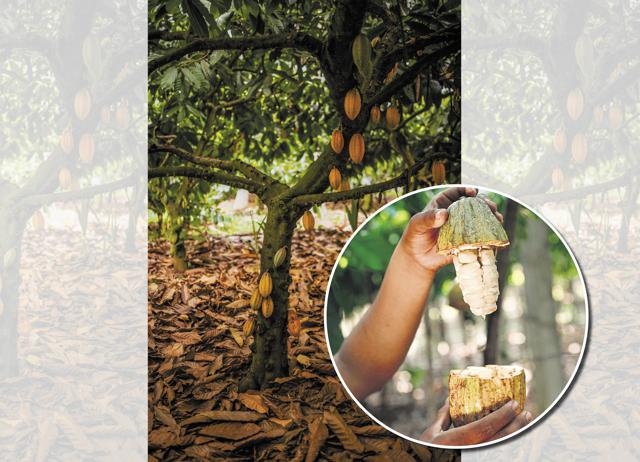
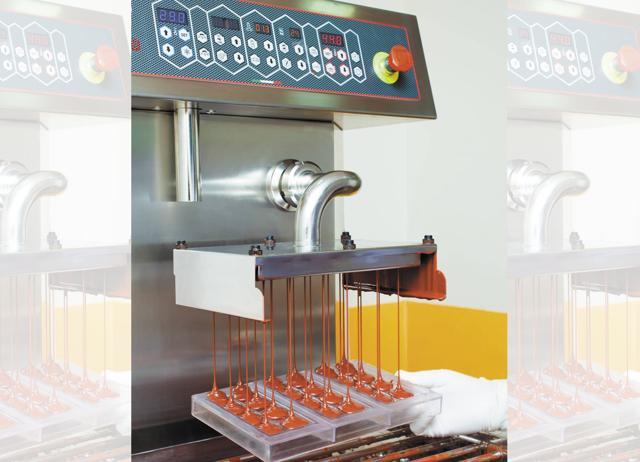
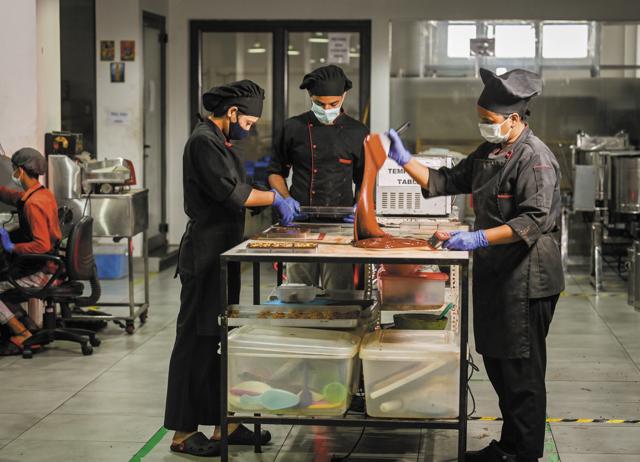
Drying and roasting affects the flavours too, which is why craft-chocolate companies take pride in their bean-to-bar products. Manam Chocolate has its own cacao fermentery in Tadikalapudi, Andhra Pradesh so the beans from 100 partner farmers in the West Godavari District can be processed without flavour-compromising delays. Founder Chaitanya Muppala has been working with growers to grow good beans from the get go. “The aim is to find one Indian varietal which can be then propagated through grafting and be called our own”, he says.
An Indian touch
Good chocolate is typically darker, relying more on its own flavour than milk, sugar or additives. Cadbury-loving Indians are often taken aback by the smooth but bitter taste of a bar that is more than 50% dark. “India is a binary market,” says Vikas Temani of Paul & Mike. “There are those who want only dark chocolate for health reasons and those who want a new flavour every month, which leads us to creating new inclusions and infusions.” The brand’s Indian Style Masala Chai chocolate recently won a gold at the Asia-pacific edition of the ICA.
New to the craft-chocolate experience is also the origin story, orienting consumers about the manufacturing processes via packaging and social media. Soklet’s brand name comes from the way chocolate is pronounced in Tamil Nadu; Manam means we/us in Telugu; Naviluna and Coimbatore-based Chitra’m use Indian motifs on their packaging. The strength of the dark chocolate (sometimes as high as 85%) makes it clear that these bars aren’t kids’ treats.
Biting truth
The awards show that the world is starting to take note. While European and American brands have been consistently winning awards at various international competitions, Thailand and Taiwan are being recognised as regions of interest. Some of the top award winners source their beans from across the world giving them an edge over Indian brands that are only working with locally grown beans. Paul and Mike has been India’s only global winner but crafters are hoping to change that.
Many Indian manufacturers are hoping that an award will open doors for Indian craft chocolate in the international market. “The awards put us into the top-tier category and the jury too takes us seriously”, says Temani. Others believe the award is simply to remind Indian buyers that the local brands at the supermarket can hold their own against the imported ones. “We still have to see how it changes the perception about Indian craft chocolate in the domestic market. But we’re definitely seeing a growth in terms of number of brands coming out of India”, says Palanisamy.
Meanwhile, Chordia is excited about creating India’s first zero-waste chocolate brand. Garg is experimenting with new cacao growing regions and will soon launch chocolates made with cacao grown in Assam. For Muppala, the larger intent is to develop practices and processes that’ll help the craft chocolate makers in the future and also create a global market for his cacao beans.


