Quick Takeaways
The Core Rule: Dark colours absorb infrared radiation and solar heat, forcing your body to sweat significantly more in 35°C tropical heat with high humidity.
Best Fabrics: Stick strictly to 100% Linen, Slub Cotton, and Lightweight Wovens. Avoid dense synthetics like polyester, nylon, and tight denim during daytime.
Temple Pro-Tip: Always carry thick white socks in your daypack - barefoot temple courtyards become scalding hot under the afternoon sun.
Bug Defence: Light pastel shades (sage, blush, sky blue) physically reflect sun heat and attract fewer mosquitoes than dark tones.
Coming from someone whose favourite colour is black and whose wardrobe is easily over 50% black, packing for Sri Lanka’s tropical heat was an absolute wake-up call.
When planning my trip for October, I quickly realised my usual dark-toned wardrobe wasn't going to cut it in Sri Lanka’s intense heat and high humidity. I decided to be smart about my packing list, swapping out dark, heavy clothes for light pastel shades and loose, natural, breathable fabrics like cotton and linen. (Also, thankfully, a little last-minute research and warnings from friends who’d returned from Sri Lanka covered in sweat saved me from making a big mistake before I even packed my suitcase.
Here is why dropping dark clothing saved my energy, how I styled my outfits for every activity, and the essential packing rules I learned on the island.
The Science: Why Dark Clothing Fails in Tropical Heat
It isn't just a myth; wearing dark colours in direct tropical sun physically drains your energy.
Dark shades like black, navy, and deep charcoal absorb both visible light and infrared radiation. In 35°C heat with 80%+ humidity, black fabric acts like a thermal sponge, warming up rapidly and trapping radiant heat against your skin. This forces your body to sweat harder and work overtime just to keep your core temperature down, leading to rapid midday burnout.
Unexpected Tropical Tip: Dark clothing also visually attracts mosquitoes in tropical environments. Switching to light pastels like cream, sage green, sky blue, and soft blush not only reflects solar heat but also helps keep bugs at bay.
Fabric Rules: What to Wear vs. What to Avoid
When navigating Sri Lanka's microclimates, your fabric choice matters far more than the brand of your clothing.
Fabrics That Saved Me
- 100% Linen & Linen Blends: The ultimate air-circulating fabric. It dries fast after sudden rain showers or humidity-induced sweat.
- Pure Cotton & Slub Cotton: Soft, absorbent, and lightweight for day-long sightseeing.
- Lightweight Georgette & Breathable Resort Wovens: Ideal for breezy, flowy dresses that don't stick to your skin.
Fabrics to Strictly Avoid During the Day
- Heavy Synthetics (Polyester, Nylon): These act like plastic wrap, trapping sweat and odour against your skin.
- Thick Athletic Compression Wear: Great for air-conditioned gyms, terrible for 90% tropical humidity.
- Tight Denim: Sticks to your knees and takes hours to dry if caught in an October rain shower. (Can wear shorts instead)
Note: If you can't live without black, save your dark pieces strictly for air-conditioned evening dinners or night cafes after the sun goes down. (Like how I did)
Where I Wore What: My Sri Lanka Outfit Breakdown
Here is exactly how I styled my pastel and breathable outfits across different locations:
| Activity / Location | Recommended Outfit | Key Fabric & Style Tip |
|---|---|---|
| Temple Visits | Pastel trousers + tucked-in tee | Cotton; carry a sarong in your bag |
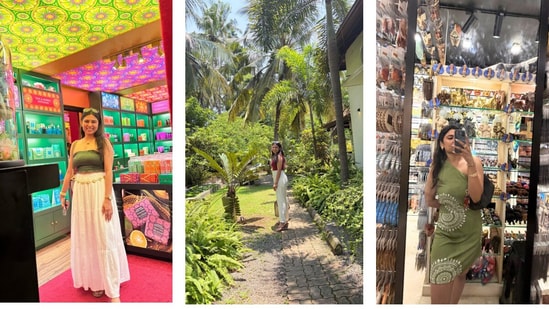
| Galle Fort Exploring | White cotton skirt + green tube top | Slub cotton; elevate with accessories |
| Beach Days | Bikini + oversized linen shirt or kaftan | Linen/Breathable; carry a sarong |
| Daytime Cafes | One-shoulder dress + flat sandals | Breezy woven cotton or rayon |
| Night Out & Dinners | Flowy maxi dress or dark bodysuit | Georgette; perfect time for dark colors |
| Parties & Nightlife | High-waisted skort + camisole | Lightweight, high-waist styling |
| B&B & Downtime | Oversized shorts + tank top | Pure cotton lounge wear |
How I Styled These Looks on the Ground:
Galle Fort & Historic Streets: A long white cotton skirt paired with a green tube top struck the perfect balance between heat management and looking elevated in photos (accessories like sunglasses and woven bags tied it together).
Beach Days: I threw an oversized white linen shirt over my bikini, it provided instant sun protection without trapping heat, and dried fast after coastal breezes.
Aesthetic Night Cafes & Dinners: Once the sun dipped, I finally brought out my darker evening pieces, like a dark halter-neck bodysuit with flowy trousers.
Tropical Essentials: The "Must-Have" Accessories Checklist
Beyond your clothes, these non-negotiable items will save your trip:
- Polarised Sunglasses: Equatorial sun reflection off water and white temple stones is intense.
- SPF 50+ Broad-Spectrum Sunscreen: Reapply every 2 hours
- Insect Repellent: Essential for late afternoons, safari trips, and outdoor dining.
- Waterproof Dry Bag: Keeps your phone, camera, and cash safe during sudden October monsoon downpours or boat rides.
- High-Capacity Power Bank: Navigating, taking photos, and high-heat phone use drain batteries significantly faster.
- Thick White Socks: Put these in your bag for temples; walking barefoot on sun-baked stone courtyards will burn your feet!
- How easily can you get laundry done in Sri Lanka?
Very easily and cheaply. Most hotels, homestays, and local guest houses offer same-day or 24-hour laundry services charging roughly 100–200 INR per kilogram. Because humidity makes heavy re-wearing difficult, relying on local laundry services allows you to pack light (around 5 to 7 days worth of pastel/linen outfits) for a 2-week itinerary.
- What is the dress code for visiting temples in Sri Lanka?
When visiting religious sites and temples in Sri Lanka, both men and women must cover their shoulders and knees. Choose loose, lightweight pastel trousers or a long flowy skirt paired with a breathable cotton T-shirt or short-sleeved blouse. Crucial Tip: Pack a pair of thick white socks in your bag. You must remove your shoes at temple entrances, and bare feet can easily burn on sun-baked stone courtyards.
- What colour clothes should you avoid wearing in tropical climates like Sri Lanka?
Avoid wearing dark colors during the day, especially black, deep navy, dark charcoal, and heavy brown. Dark shades absorb both visible solar light and infrared radiation, trapping radiant heat against your skin and causing rapid heat exhaustion in high humidity. Dark clothing also visually attracts mosquitoes in tropical, humid environments. Stick to light pastels like cream, sage green, sky blue, and soft blush instead.
- What footwear works best for walking around Sri Lanka in the monsoon season?
Avoid heavy leather shoes or thick denim sneakers during sudden October/November downpours - they trap water and take days to dry in high humidity. Instead, bring breathable, quick-drying strap-on sandals (like Tevas or Birkenstock EVA models) for city walks, along with lightweight, well-ventilated trail sneakers if you plan on hiking Sigiriya Rock or Little Adam’s Peak.
At the end of the day, packing for a tropical getaway is all about finding the right balance between style and comfort. Swap heavy, dark clothes for light, breathable fabrics and soft pastels, and dressing for Sri Lanka’s 35°C heat becomes a whole lot easier. After all, you want to spend your holiday exploring, not sweating through your outfits.
Hari hondai!
Catch your daily dose of Fashion, Taylor Swift, Health, Festivals, Travel, Relationship, Recipe and all the other Latest Lifestyle News on Hindustan Times Website and APPs.
Catch your daily dose of Fashion, Taylor Swift, Health, Festivals, Travel, Relationship, Recipe and all the other Latest Lifestyle News on Hindustan Times Website and APPs.