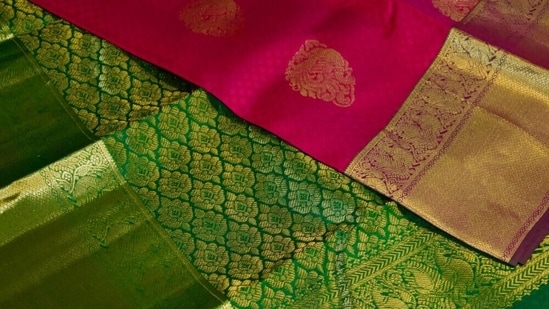
Whether it is your treasured Banarasi silk saree or the expensive Kanjeevaram silk, silk fabric is among the most valued fabrics found in any desi wardrobe. In fact, silk garments, whether it’s a saree or a lehenga, are also deemed heirloom pieces, passed down through generations. The key to protecting these silk garments is due care so that the beauty of the fine craftsmanship lasts. But one of the biggest challenges for silk garments in a wardrobe is during the monsoon.
Khitish Pandya, Founder of EcoTasar, told HT Lifestyle why this happens. He said, “Silk is a delicate, protein-based natural fibre that can be easily damaged by excess moisture, fungal growth, or improper storage—especially during the damp and humid monsoon months.”
Lovingly, mothers pass on their silk sarees to their daughters, so there's no doubt about the generational value of silk sarees. But as Khitish said, monsoon's high humidity increases the dampness, along with the pesky insects that may even bite through the delicate fabric. You think your sarees are safe in your locked wardrobe, but how and from where these insects may ambush your beloved silk clothes, you will have no idea. So instead of regretting, it is better to adopt some proactive measures to store your silk garments more diligently.
Khitish Pandya listed out 8 practical tips for protecting your silk clothes in the monsoon, from storage to adequate insect repellent ingredients:
1. Ensure silks are completely dry before storage
- Never fold and store silks that are even slightly damp—whether from rain, body moisture, or ironing.
- Moisture is the number one enemy of silk, as it encourages the growth of mildew and weakens the fibres over time.
- If the silk has been worn, spot cleaned, or exposed to humidity, let it air-dry completely in a shaded area before storing.
2. Use breathable fabric covers
- Wrap your silk sarees, stoles, or garments in soft cotton or muslin cloth. These allow natural airflow, helping to prevent the buildup of moisture and odour.
- Avoid synthetic covers or tightly sealed containers. For added care, use unbleached muslin to avoid colour transfer.
3. Avoid plastic or vacuum-sealed bags
- Plastic traps humidity, creating a microclimate that's perfect for mould and fungus.
- In monsoon conditions, it’s best to completely avoid airtight plastic containers or bags for silk storage, even temporarily.
4. Add natural moisture absorbers
{{/usCountry}}Khitish Pandya listed out 8 practical tips for protecting your silk clothes in the monsoon, from storage to adequate insect repellent ingredients:
1. Ensure silks are completely dry before storage
- Never fold and store silks that are even slightly damp—whether from rain, body moisture, or ironing.
- Moisture is the number one enemy of silk, as it encourages the growth of mildew and weakens the fibres over time.
- If the silk has been worn, spot cleaned, or exposed to humidity, let it air-dry completely in a shaded area before storing.
2. Use breathable fabric covers
- Wrap your silk sarees, stoles, or garments in soft cotton or muslin cloth. These allow natural airflow, helping to prevent the buildup of moisture and odour.
- Avoid synthetic covers or tightly sealed containers. For added care, use unbleached muslin to avoid colour transfer.
3. Avoid plastic or vacuum-sealed bags
- Plastic traps humidity, creating a microclimate that's perfect for mould and fungus.
- In monsoon conditions, it’s best to completely avoid airtight plastic containers or bags for silk storage, even temporarily.
4. Add natural moisture absorbers
{{/usCountry}}Place moisture-control agents in your wardrobe to absorb excess humidity:
- Neem leaves or dried lavender: Repels insects naturally and adds a pleasant scent.
- Camphor tablets: Keeps silverfish and moths away, but avoid direct contact with fabric, wrap in a small cloth bag.
- Silica gel sachets: Helps control moisture but replace them every couple of months for effectiveness.
5. Use simple natural dehumidifiers
- Place small pouches of rock salt, baking soda, or activated charcoal in your wardrobe. These draw in excess moisture from the air and are easy to replace.
- Change them every few weeks depending on the level of humidity.
6. Air and refold every 3 to 4 weeks
- Silks should never sit folded in the same position for long periods.
- Every 3–4 weeks, take them out, unfold, gently shake them out, and refold along different lines.
- This prevents permanent creases and allows trapped air and moisture to escape.
7. Store in a cool, dry, and dark space
- Exposure to light, especially direct sunlight or harsh tube light, can fade silk over time.
- Use wooden cupboards or shelves in dark, shaded areas of your home.
- Make sure the space is clean, free of pests, and not prone to leaks or wall dampness.
8. Use the right hangers for dupattas and stoles
- If you prefer to hang lighter silk items like dupattas or scarves, use padded or wide wooden hangers to prevent stretching or marks.
- Never use wire hangers; they can cause permanent dents or even rust stains.
Catch your daily dose of Fashion, Taylor Swift, Health, Festivals, Travel, Relationship, Recipe and all the other Latest Lifestyle News on Hindustan Times Website and APPs.
Catch your daily dose of Fashion, Taylor Swift, Health, Festivals, Travel, Relationship, Recipe and all the other Latest Lifestyle News on Hindustan Times Website and APPs.