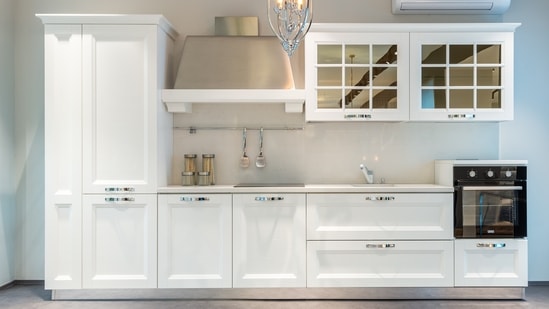
We are often concerned about our health and follow yoga, exercise and healthy diet in order to maintain a good health. However, did you know that our kitchen is the place of most infections in the house because we spend so much time in this space each day? At least three to four times per day, each member of the family eats food cooked in the kitchen. ( Also read: Kitchen 101: Hacks for a sparkling clean, odour-free kitchen)
We regularly clean and organise the living room or drawing room while very little attention is paid to the cleanliness of the kitchen. It is crucial to pay attention to the kitchen so that everyone in the household stays healthy as food is directly connected to health. Here are a few ways of keeping your kitchen germ-free.
1. Clean regularly
Don't wait for the weekends to wipe off the dust. Make cleanliness a habit. You can use a non-toxic cleaning spray or a microfiber cloth for cleaning. However, the easiest and quickest way is to just use an old cloth; rinse it in soap water and wipe the dust off. Make sure to clean the gas stove, kitchen counter and sink after washing up. We usually get free time between cooking meals; use this time wisely. Even spending just five minutes daily will be helpful in ensuring clean kitchen.
2. Clean utensils
{{/usCountry}}2. Clean utensils
{{/usCountry}}Make sure to wash the utensils properly before using them. Avoid leaving leftover food on the plate as it can clog the kitchen sink drain and you will have more cleanup to do. Use hot water as it will break stubborn stains easily and will save a lot of time. For wooden utensils, you can use baking soda or salt and lemon. Keep the washed utensils on the shelf only when they are completely dry, wash and wipe the shelf at least once a month.
3. Choose cooking utensils wisely
The utensils used for cooking are very important while preparing food. Our grandmothers used iron, brass, bronze and copper utensils for cooking. The main reason being that during cooking, the elements of those metals added to the food and increase its nutritional value. However, nowadays steel, glass and aluminium are used which can be hazardous for health as they contain harmful chemicals that can react with food.
4. Use nonstick utensils carefully
Nowadays, nonstick cookware is widely available in homes. The use of nonstick utensils requires extreme caution as it has a Teflon coating which can come off with even the slightest scratch and can make the food toxic by going into it. Avoid using nonstick utensils that are scratched or coated.
5. Germ-free chopper
Nowadays, choppers are often used to cut vegetables, they have a rough surface that is often filled with dirt and as the vegetable is sliced, this dirt gets absorbed in the vegetable. Apart from this make sure to change the chopper if it has many scratches as it can collect a lot of dirt.
6. Take care of chimney
Chimneys are an essential part of a modern kitchen. Typically they are installed to remove the greasy smoke produced while cooking vegetables, but if they are not cleaned regularly, then they can become clogged with soil and webs , which can contaminate the food that has been kept on the stove. If your chimney is automatic, clean it by running it once a month, as well as get a complete cleaning done by a professional once in six months.
Follow more stories on Twitter and Facebook
Catch your daily dose of Fashion, Taylor Swift, Health, Festivals, Travel, Relationship, Recipe and all the other Latest Lifestyle News on Hindustan Times Website and APPs.
Catch your daily dose of Fashion, Taylor Swift, Health, Festivals, Travel, Relationship, Recipe and all the other Latest Lifestyle News on Hindustan Times Website and APPs.