
 E-Paper



90-year-old Prem Chopra diagnosed with severe aortic stenosis: Cardiologists explain this silent heart condition
Veteran actor Prem Chopra, 90, was diagnosed with severe aortic stenosis, and underwent a Transcatheter Aortic Valve Implantation (TAVI) procedure for recovery.

 Prefer HTon Google


At 90 years, veteran actor Prem Chopra has undergone a Transcatheter Aortic Valve Implantation (TAVI) procedure after doctors diagnosed him with severe aortic stenosis. The heart-related condition, involving malfunctioning in the heart valve. It affects blood flow to the aorta, which is the main blood carrier artery between the heart and different parts of the body.
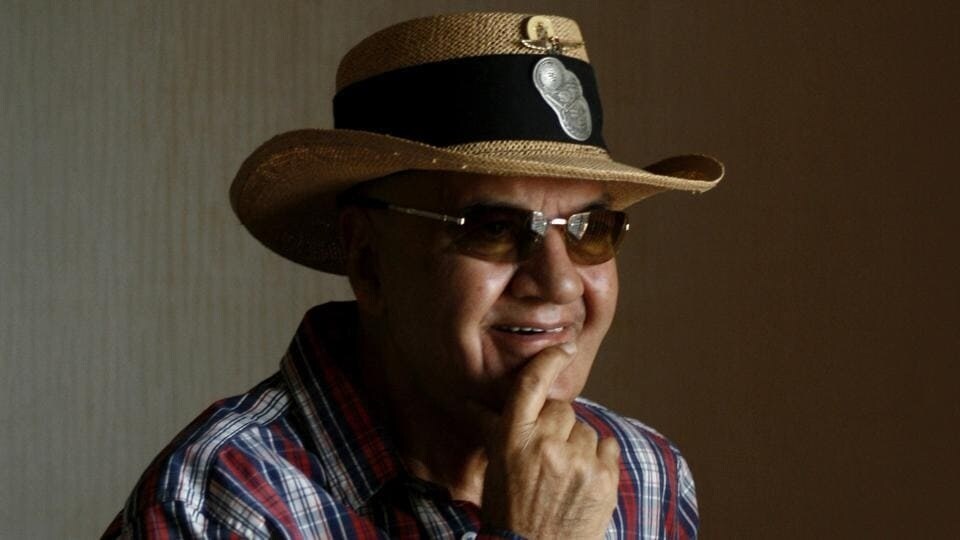

The health update about Prem Chopra was shared by his son-in-law, actor Sharman Joshi, via an Instagram post.
What is aortic stenosis?
Aortic stenosis (AS) is a serious condition of the aortic valve. In this condition, the aortic valve becomes narrow and cannot open fully. This narrowing can block blood flow from the heart into the aorta and then to the rest of the body, Dr Abhijit Borse, a Senior Interventional Cardiologist at the Asian Heart Institute, tells Health Shots.
Think of the heart as a hardworking muscle trying to keep up with a blockage. “When blood flow decreases, the heart muscle can weaken, which is a serious issue," says the cardiologist. If timely treatment is not ensured, severe aortic stenosis can lead to serious heart problems, including heart failure.
As people age, this condition often develops due to calcification of the heart valves. Over time, calcium deposits harden and stiffen the valve leaflets. "This makes it harder for the valve to open completely", says Dr Borse. It’s like trying to push open a stuck door: you need more effort, and you might damage something if you go too hard.
What is the severity score for aortic stenosis?
Once people start to feel symptoms like breathlessness, chest pain, or fainting, it's a sign that something serious is underway, according to Research News in Health. At this point, the narrowed valve puts pressure on the heart. This can increase the chances of heart failure and reduce life expectancy if it isn't treated.
A recent review in the New England Journal of Medicine shows an alarming fact: when symptoms start, the risk of death rises quickly if valve replacement surgery is not done. This highlights that early detection is not merely helpful; it is crucial for survival.
Can aortic stenosis go unnoticed?
Aortic stenosis can be tricky because it often goes unnoticed in its early stages. Many people with a narrowed aortic valve may have no symptoms. This can lead to missed early diagnoses, leaving conditions that could have been treated early unmanaged.
The American Heart Association notes that many people with moderate aortic stenosis do not have symptoms. This can allow the condition to worsen without notice. To maintain proper blood flow, the heart compensates by thickening its muscular walls.
How is aortic stenosis usually diagnosed?
Aortic stenosis can be challenging to identify because symptoms may not be readily apparent. To diagnose this condition, imaging plays a key role. The American Heart Association states that the best initial test for analysing and assessing the severity of aortic stenosis is transthoracic echocardiography (TTE). This test provides information, including the valve area, blood flow velocity, and pressure gradients across the valve.
That’s just the beginning. Tests like electrocardiograms (ECGs) and chest X-rays can help us better understand the heart’s health. Together, these checks prepare patients and doctors to choose the right treatments quickly and effectively.
Is TAVI minimally invasive?
For older age patients such as Prem Chopra, TAVI offers real hope. Traditionally, treating severe aortic stenosis meant open-heart surgery, which comes with long recovery times and high risks. TAVI changes this by providing a less invasive option.
Dr Maulik Parekh, Structural Cardiologist at Sir H N Reliance Foundation Hospital, tells Health Shots: "TAVI enables doctors to reach the heart through a small blood vessel in the leg. TAVI is an efficient treatment. It usually leads to shorter hospital stays, less discomfort, and faster recovery."
For elderly patients such as Chopra, TAVI provides not only a medical intervention but also an opportunity to maintain a good quality of life.
(Note to readers: This article is for informational purposes only and not a substitute for professional medical advice. Always seek the advice of your doctor with any questions about a medical condition.)

Catch your daily dose of Fashion, Taylor Swift, Health, Festivals, Travel, Relationship, Recipe and all the other Latest Lifestyle News on Hindustan Times Website and APPs.


