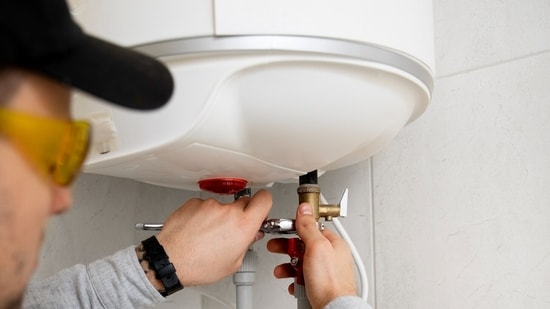
Gas geysers are an efficient way to heat water. But are they safe? A neurologist has issued a stark warning following an increase in emergency cases where individuals were found unconscious in their bathrooms. Also read | AIIMS Raipur orthopaedic surgeon shares real reason for middle-aged man's frozen shoulder
Dr Priyanka Sehrawat, general physician and neurologist, The Neuromed Clinic, Gurgaon, who trained at AIIMS Delhi, took to Instagram to explain the physiological 'hidden danger' behind gas-powered water heaters.
Why ‘many people faint in the bathroom’
In a detailed video shared on December 11, 2025, Dr Sehrawat highlighted a recurring medical emergency: gas geyser syndrome. Her warning came after reports of a young woman collapsing shortly after entering her bathroom.
Dr Sehrawat said in Hindi, “Many people faint in the bathroom because of using gas geysers. As the name suggests, a gas geyser uses LPG (liquefied petroleum gas) or natural gas.”
The science of the 'silent killer'
According to Dr Sehrawat, the culprit is carbon monoxide — a colourless, odourless gas produced when gas geysers burn liquefied petroleum gas (LPG) or natural gas. Carbon monoxide poisoning is often called the 'silent killer' because victims may not realise they are in danger until they are too weak or disoriented to exit the room.
{{/usCountry}}According to Dr Sehrawat, the culprit is carbon monoxide — a colourless, odourless gas produced when gas geysers burn liquefied petroleum gas (LPG) or natural gas. Carbon monoxide poisoning is often called the 'silent killer' because victims may not realise they are in danger until they are too weak or disoriented to exit the room.
{{/usCountry}}When a geyser is operated in a confined, poorly ventilated space, oxygen levels drop and carbon monoxide levels spike, Dr Sehrawat shared as she explained the biological impact: “Because these appliances use substances like LPG and natural gas, they emit harmful gases such as carbon monoxide. If humans inhale too much carbon monoxide, it prevents normal hemoglobin from carrying oxygen. When oxygen does not reach the brain, a person may suffer from seizures or lose consciousness.” Also read | AIIMS-trained neurologist explains how ‘brain worms’ can trigger seizures in children; shares simple prevention tips
Why gas geysers?
According to Dr Sehrawat, while electrical geysers are generally safer, many households opt for gas models because they provide a continuous supply of hot water, they remain functional during power cuts, and they are often more cost-effective in areas with high electricity tariffs.
Dr Sehrawat said, “Because it (gas geyser) runs on gas, it does not require electricity, making it useful for providing a continuous hot water supply during power failures, power cuts, or in areas that lack a steady electricity supply.”
How to stay safe
However, these benefits come with significant risks if installation standards are ignored. Dr Sehrawat urged consumers to prioritise safety over convenience. She said that if you use a gas geyser, follow these essential safety protocols: “You should first avoid using gas geysers if possible. If you do use one, it must be set up in a well-ventilated area. This means that if the geyser is installed in the bathroom, there must be proper ventilation and a way for air to circulate in and out.”
Note to readers: This report is based on user-generated content from social media. HT.com has not independently verified the claims and does not endorse them.
This article is for informational purposes only and not a substitute for professional medical advice.
Catch your daily dose of Fashion, Taylor Swift, Health, Festivals, Travel, Relationship, Recipe and all the other Latest Lifestyle News on Hindustan Times Website and APPs.
Catch your daily dose of Fashion, Taylor Swift, Health, Festivals, Travel, Relationship, Recipe and all the other Latest Lifestyle News on Hindustan Times Website and APPs.