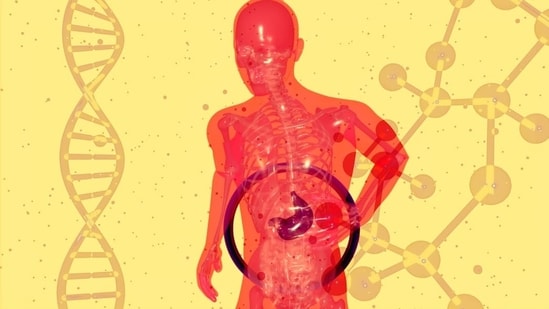
Think fatty liver only affects people who drink alcohol? Think again! The condition can develop even in people who have never touched alcohol, often without any obvious symptoms. Factors such as diabetes, belly fat, high cholesterol and insulin resistance can contribute to fat building up in the liver.
Known as metabolic dysfunction-associated steatotic liver disease (MASLD), the condition affects an estimated 30% of adults worldwide, according to a 2023 analysis published in Hepatology.
In an interview with HT Lifestyle, Dr Vineet Kumar Gupta, Senior Director and Unit Head, Gastroenterology, ShardaCare - Healthcity, explains why fatty liver should not be ignored, who is at risk and how early detection and lifestyle changes can help protect liver health. (Also read: Normal body weight but high metabolic risk: Doctor explains why you should look beyond BMI to assess your health )
What causes fatty liver disease?
The liver processes fats, sugars and other nutrients. When the body becomes resistant to insulin, fat can accumulate in liver cells. People with type 2 diabetes, high triglycerides, high blood pressure or excess weight are at greater risk. Sugary drinks, refined carbohydrates and physical inactivity can also contribute.
{{/usCountry}}The liver processes fats, sugars and other nutrients. When the body becomes resistant to insulin, fat can accumulate in liver cells. People with type 2 diabetes, high triglycerides, high blood pressure or excess weight are at greater risk. Sugary drinks, refined carbohydrates and physical inactivity can also contribute.
{{/usCountry}}“Fatty liver is not just a concern for people who consume alcohol or those who are overweight. Even individuals with a normal body weight can develop the condition, particularly if they have insulin resistance or other metabolic risk factors. Identifying the underlying cause is important because treatment needs to address the factors contributing to fat accumulation in the liver,” explains Dr Gupta.
Can fatty liver lead to serious complications?
In some people, fat accumulation triggers inflammation, leading to metabolic dysfunction-associated steatohepatitis (MASH). Persistent inflammation can cause fibrosis, or liver scarring, which may progress to cirrhosis and, in some cases, liver cancer. Cardiovascular disease is also a major concern among people with MASLD.
“Not everyone with fatty liver will develop serious liver disease, but the risk increases when inflammation and scarring occur. This is why assessing the extent of liver damage is important. Identifying fibrosis early helps doctors determine who needs closer monitoring and more intensive treatment,” says Dr Gupta.
Why is early detection important?
Fatty liver often causes no symptoms in its early stages. It may be discovered during an ultrasound or through blood tests showing elevated liver enzymes. However, normal liver enzyme levels do not rule out liver disease or significant scarring.
Doctors may use the FIB-4 score, based on age and routine blood test results, to assess the risk of advanced fibrosis. A FibroScan may be recommended for further evaluation.
“Fatty liver can remain undetected for years because symptoms may not appear until the condition has progressed. Normal liver enzyme levels do not always mean that the liver is healthy. People with diabetes, obesity or other metabolic risk factors should discuss appropriate screening with their doctor, particularly when there are concerns about liver damage,” explains Dr Gupta.
Can lifestyle changes help?
“Lifestyle changes can make a significant difference to liver health. Regular exercise, a balanced diet and effective control of diabetes, cholesterol and blood pressure are important parts of treatment. The goal is to adopt sustainable habits that improve metabolic health and reduce liver fat over time,” advises Dr Gupta.
“Treatment should be tailored to the individual, depending on the extent of liver damage and the presence of other health conditions. Some patients may benefit from specific medications alongside lifestyle changes, while others may primarily need metabolic risk management and regular follow-up. Taking supplements without medical guidance can sometimes cause additional harm,” says Dr Gupta.
When should you consult a Doctor?
People with diabetes, high cholesterol, high blood pressure, abdominal obesity or a family history of metabolic disease should discuss liver health with their doctor. Evaluation may also be needed if liver enzymes remain elevated or fatty liver is detected during imaging.
“Do not assume that your liver is healthy simply because you do not drink alcohol or feel completely well. Understanding your risk factors, getting evaluated when necessary and following the right treatment plan can help detect fatty liver early and protect your long-term liver health,” concludes Dr Gupta.
Note to readers: This article is for informational purposes only and not a substitute for professional medical advice. Always seek the advice of your doctor with any questions about a medical condition.
Catch your daily dose of Fashion, Taylor Swift, Health, Festivals, Travel, Relationship, Recipe and all the other Latest Lifestyle News on Hindustan Times Website and APPs.
Catch your daily dose of Fashion, Taylor Swift, Health, Festivals, Travel, Relationship, Recipe and all the other Latest Lifestyle News on Hindustan Times Website and APPs.