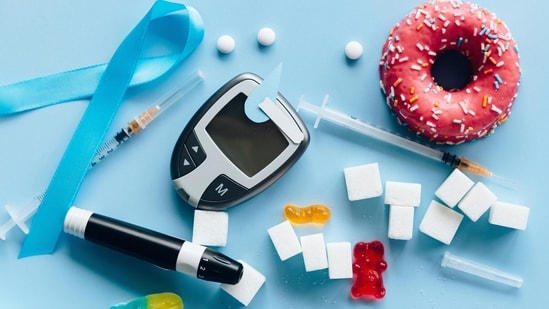
Blood sugar levels can fluctuate for several reasons, and everyday habits often play a bigger role than we realise. Delaying meals, enjoying sugary treats or even shifts in medication routines can influence how the body regulates glucose. Understanding these factors is important for maintaining overall health and recognising when blood sugar changes need attention.
In an interview with HT Lifestyle, Dr Suman Banerjee, consultant intensivist, consultant physician, and diabetologist with over 20 years of clinical experience, practising in Delhi NCR, explains how everyday habits can affect blood sugar levels and shares practical tips for better diabetes management. (Also read: Breast to cervical cancer: Oncologist shares 6 common cancers affecting Indian women and symptoms they should not ignore )
How can delaying or skipping meals affect blood sugar levels?
“People should be mindful of their meal timings, especially if they are taking insulin or medications that stimulate insulin production. Delaying or skipping a meal after taking these medicines can cause blood sugar levels to drop too low. Symptoms may include sweating, shaking, hunger, dizziness, confusion and sudden weakness,” explains Dr Banerjee.
He adds, “On the other hand, going without food for a long time may make a person extremely hungry, leading them to eat a larger meal than usual. This can cause blood sugar levels to rise more sharply. The impact varies depending on the individual's treatment, food intake and overall diabetes management.”
Can eating sweets during celebrations cause a blood sugar spike?
{{/usCountry}}He adds, “On the other hand, going without food for a long time may make a person extremely hungry, leading them to eat a larger meal than usual. This can cause blood sugar levels to rise more sharply. The impact varies depending on the individual's treatment, food intake and overall diabetes management.”
Can eating sweets during celebrations cause a blood sugar spike?
{{/usCountry}}Sweets and desserts often contain carbohydrates from sugar, flour and other ingredients. These are broken down into glucose, which enters the bloodstream and can raise blood sugar levels.
“People with diabetes do not necessarily have to completely avoid every sweet treat. However, they should be mindful of portion sizes, carbohydrate content and how these foods fit into their overall meal plan. A large portion of mithai or a sugary drink may cause a more noticeable rise in blood glucose than a smaller portion,” says Dr Banerjee.
He further explains, “The effect of a sweet treat depends on several factors, including the quantity consumed, the overall meal, physical activity and how well the person's diabetes is controlled. Planning portions and making informed food choices can help people enjoy occasional treats while managing their blood sugar.”
How can changes in diabetes medication affect glucose levels?
Diabetes medications work in different ways. Some improve the body's response to insulin, while others stimulate insulin production or influence how glucose is produced and absorbed. Missing doses, changing medication timings or altering prescribed doses can therefore affect blood sugar levels.
“People taking insulin or certain medicines, such as sulfonylureas, need to be particularly careful about delaying meals or reducing their food intake, as this may increase the risk of hypoglycaemia. Conversely, missing medication or taking less than the prescribed dose can lead to high blood sugar levels,” explains Dr Banerjee.
“Medication requirements may sometimes need to be reviewed when a person is unwell, fasting, changing their eating routine or starting another treatment. However, these decisions should always be made in consultation with the treating doctor. Patients should not independently increase, reduce or change the timing of their diabetes medication,” he adds.
What practical steps can help maintain more stable blood sugar levels?
Dr Banerjee recommends a few everyday habits that can support more consistent diabetes management:
- Maintain regular meal timings: Try to eat at consistent times, particularly if your medication requires you to have food at specific intervals.
- Avoid skipping meals: Discuss meal planning with your healthcare professional, especially if you are taking insulin or medicines that can cause low blood sugar.
- Be mindful of portions: Pay attention to the carbohydrate content and portion sizes of sweets, desserts and sugary drinks.
- Take medication as prescribed: Do not skip doses or make changes without consulting your doctor. Seek medical advice if you miss a dose.
- Monitor blood glucose: Check your levels as advised by your healthcare professional. Keeping a record of readings, meals, physical activity and medication timings can help identify patterns.
- Seek medical advice for frequent fluctuations: Repeated episodes of high or low blood sugar should be discussed with your treating clinician.
“Blood glucose targets are not the same for everyone. They may vary depending on a person's age, treatment plan, other health conditions and risk of hypoglycaemia. It is important to understand your individual targets rather than compare your readings with someone else's,” says Dr Banerjee.
“Managing diabetes is about building a routine that works with your treatment plan. Eating at appropriate times, making mindful food choices, taking medication as prescribed and monitoring blood glucose can help make daily management more consistent. If your routine, eating habits or activity levels change, speak to your treating clinician to ensure your diabetes management plan remains safe and appropriate,” concludes Dr Banerjee.
Note to readers: This article is for informational purposes only and not a substitute for professional medical advice. Always seek the advice of your doctor with any questions about a medical condition.
Catch your daily dose of Fashion, Taylor Swift, Health, Festivals, Travel, Relationship, Recipe and all the other Latest Lifestyle News on Hindustan Times Website and APPs.
Catch your daily dose of Fashion, Taylor Swift, Health, Festivals, Travel, Relationship, Recipe and all the other Latest Lifestyle News on Hindustan Times Website and APPs.