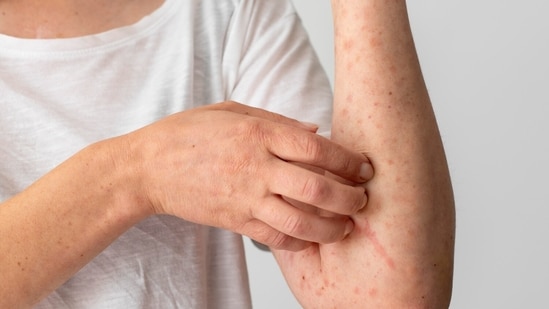
Did you notice a big, red, itchy rash that simply refuses to go away? You may blame the heat or ignore it as a common monsoon skin reaction, but constant irritation should not be overlooked. Instead of self-treating it with home remedies or DIY hacks, it is important to understand what may be causing the rash.
Dr Apratim Goel, cosmetic dermatologist, revealed five lesser-known reasons behind monsoon rashes. She also described how to protect the skin and when you should reach out to a health professional.
The doctor highlighted some of the factors responsible, saying, "The increased moisture in the air, dampness, and exposure to allergens can compromise the integrity of the skin’s protective layer, which makes dermatitis one of the most prevalent ailments seen by dermatologists in this period.”
She outlined that the skin barrier is especially sensitive to moisture, perspiration, and friction. Sometimes, these everyday monsoon conditions may be enough to trigger irritation and make the skin more vulnerable to rashes.
5 reasons why the skin is reacting
{{/usCountry}}She outlined that the skin barrier is especially sensitive to moisture, perspiration, and friction. Sometimes, these everyday monsoon conditions may be enough to trigger irritation and make the skin more vulnerable to rashes.
5 reasons why the skin is reacting
{{/usCountry}}Monsoon rashes are not always caused by a single trigger. Several factors, such as infections, sweat, and damp clothes, may be responsible. Here are five possible reasons your skin may be reacting during the monsoon:
1. Prolonged moisture exposure disturbs skin barrier functionality
- Getting stuck out in the rain or being trapped in wet clothing for hours on end causes the outermost layer of skin to soften and weaken.
- When this barrier function is disrupted, the skin becomes more vulnerable to allergens and irritants and thus becomes inflamed.
- Quickly changing into dry clothes and making sure skin folds are dry will prevent this from happening.
2. Sweating may be a big problem
- Sweating helps the body cool down, but when sweat interacts with humidity, pollution, and bacteria, it may trigger eczema.
- The areas of the body affected include the neck, armpits, elbows, backs of the knees, and waistline, where sweat usually builds up.
- Loose clothes and washing after excessive sweating can help minimise problems.
3. Fungal infections may resemble regular rashes
- A warm and moist environment provides the best place for fungi to grow. For many, the growth of fungi begins with an appearance that is similar to dermatitis.
- People usually apply steroid creams on the affected area without consulting doctors, but this practice only makes the problem worse because it delays the correct diagnosis of the disease.
- All rashes that do not get better after some time need to be seen by a dermatologist.
4. Laundry products and damp clothes may cause a reaction
- When it rains, the clothes take longer to dry out.
- Moisture and detergents left from washing the clothes may cause irritation to sensitive skin, resulting in contact dermatitis.
- The use of mild laundry soaps and complete drying of clothes before wearing them can prevent this disease.
Which skin conditions may get worse in the monsoon?
The expert noted that increased humidity, temperature changes, stress, and repeated exposure to allergens may cause existing skin conditions, such as eczema and dermatitis, to flare up.
How to know when you need a dermatologist?
Consult a health professional if you experience:
- Persistent itching or pain
- A rash that does not improve
- Swelling or blistering
- Discharge from the affected area
- Rashes that frequently return
Dr Goel's parting advice involves skin barrier protection measures: “Good skin starts with a good skin barrier. During the monsoon, sometimes it is better to prevent than cure. Simple measures such as maintaining skin dryness, avoiding harsh chemicals, moisturising skin, and consulting doctors about persistent symptoms can help in preventing permanent skin problems.”Note to readers: This article is for informational purposes only and not a substitute for professional medical advice. Always seek the advice of your doctor with any questions about a medical condition.
Catch your daily dose of Fashion, Taylor Swift, Health, Festivals, Travel, Relationship, Recipe and all the other Latest Lifestyle News on Hindustan Times Website and APPs.
Catch your daily dose of Fashion, Taylor Swift, Health, Festivals, Travel, Relationship, Recipe and all the other Latest Lifestyle News on Hindustan Times Website and APPs.