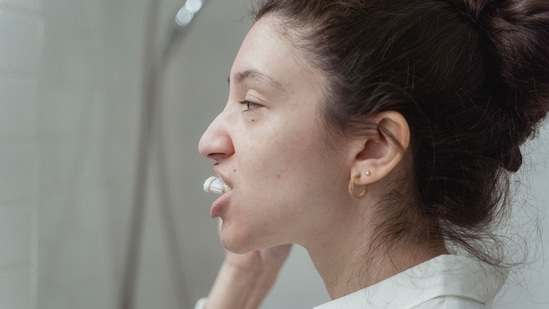
Pregnancy is a time when every aspect of a woman’s health receives attention, from nutrition and supplements to regular scans and medical check-ups. Yet, one important aspect often gets overlooked: oral health.
Also Read | Pulmonologist shares checklist to follow before going out for morning walks with skyrocketing AQI
“Healthy teeth and gums are not merely about a beautiful smile; they are an essential part of a healthy pregnancy,” Dr Pallavi Vasal, clinical director of obstetrics and gynaecology at Marengo Asia Hospitals, Gurugram, shared with HT Lifestyle.
Why does pregnancy affect oral health?
The gynaecologist explained that pregnancy brings significant hormonal changes, particularly increased levels of oestrogen and progesterone, which can make gums more sensitive to plaque and inflammation. As a result, many women experience pregnancy gingivitis, characterised by swollen, tender or bleeding gums.
“Morning sickness can add to the problem,” she stated. “Repeated exposure to stomach acid may erode tooth enamel, increasing sensitivity and the risk of cavities. Frequent snacking, sugar cravings and changes in oral hygiene routines can further contribute to dental problems.”
{{/usCountry}}“Morning sickness can add to the problem,” she stated. “Repeated exposure to stomach acid may erode tooth enamel, increasing sensitivity and the risk of cavities. Frequent snacking, sugar cravings and changes in oral hygiene routines can further contribute to dental problems.”
{{/usCountry}}Can poor oral health affect pregnancy?
Oral health is closely connected to overall health, shared Dr Vasal. Gum disease, particularly periodontitis, has been associated with adverse pregnancy outcomes, including preterm birth and low birth weight.
“Although research has not established a direct cause-and-effect relationship, the association highlights why oral health should not be ignored during pregnancy,” she noted.
“There is another important consideration: a mother’s oral health can influence her baby’s future dental health. Harmful cavity-causing bacteria can be transmitted from mother to child through everyday practices such as sharing spoons or kissing on the mouth,” added the gynaecologist.
Is dental treatment safe during pregnancy?
One of the most common misconceptions is that dental treatment should be avoided until delivery. The gynaecologist stressed that this is not the case.
“Preventive, diagnostic and necessary dental procedures, including dental X-rays when indicated and local anaesthesia, are generally safe during pregnancy,” she stated. “Delaying treatment can sometimes make a minor dental problem more complicated.”
Simple steps for a healthier smile
There are simple ways in which expecting women can ensure good oral health. The ones highlighted by Dr Vasal include:
- Brush twice daily with fluoride toothpaste.
- Floss or clean between teeth every day.
- Limit frequent sugary snacks and drinks.
- Rinse your mouth with water after vomiting; avoid brushing immediately afterwards.
- Schedule regular dental check-ups and inform your dentist about your pregnancy.
- Seek timely advice for bleeding gums, toothache or swelling.
“Pregnancy care should never stop at the womb. A mother’s well-being is interconnected, and oral health deserves the same attention as nutrition, blood pressure and blood sugar,” stated the gynaecologist.
Note to readers: This article is for informational purposes only and not a substitute for professional medical advice. Always seek the advice of your doctor with any questions about a medical condition.
Catch your daily dose of Fashion, Taylor Swift, Health, Festivals, Travel, Relationship, Recipe and all the other Latest Lifestyle News on Hindustan Times Website and APPs.
Catch your daily dose of Fashion, Taylor Swift, Health, Festivals, Travel, Relationship, Recipe and all the other Latest Lifestyle News on Hindustan Times Website and APPs.