
 E-Paper



Pulmonologist shares checklist to follow before going out for morning walks with skyrocketing AQI

 Prefer HTon Google



Morning walks are generally a healthy habit, but the growing air pollution levels can diminish their benefits. Dr Kulkarni helps to make an informed choice.
Morning walks have long been a favourite way to stay healthy for many Indians. While it can support physical and mental well-being, pulmonologist Dr Tarang Kulkarni, consultant at Jupiter Hospital, Thane, believes that pollution levels may change how safe outdoor exercise is.
“Checking AQI and making informed choices about timing, routes and intensity can help people stay active while reducing exposure,” he shared with HT Lifestyle. “Stepping outdoors early in the morning does not automatically mean breathing cleaner air. Air quality can vary throughout the day.”
Dr Kulkarni noted that he was not making a case for people to abandon their morning walks. Rather, he listed eight points to keep in mind before going out in the mornings.
1. Check AQI before stepping out
The pulmonologist believes it is best to make a habit of checking the local air quality index (AQI) rather than assuming that early morning air is cleaner.
“If the AQI is poor (201–300) or worse, consider shifting your walk indoors, particularly if you belong to a high-risk group,” he stated. “Checking the AQI before leaving home can help you decide whether outdoor exercise is appropriate that day.”
2. Choose your walking time based on actual air quality
Many people automatically opt for walks between five and six in the morning, believing that the air is cleaner at that time. However, Dr Kulkarni cautioned that pollution can get trapped close to the ground during temperature inversion and low-wind conditions.
“Instead of following a fixed schedule, check local air quality at the time you plan to exercise and choose a cleaner time of day. The goal should be to walk when outdoor conditions are more suitable, rather than assuming that a particular hour is always better,” he noted.
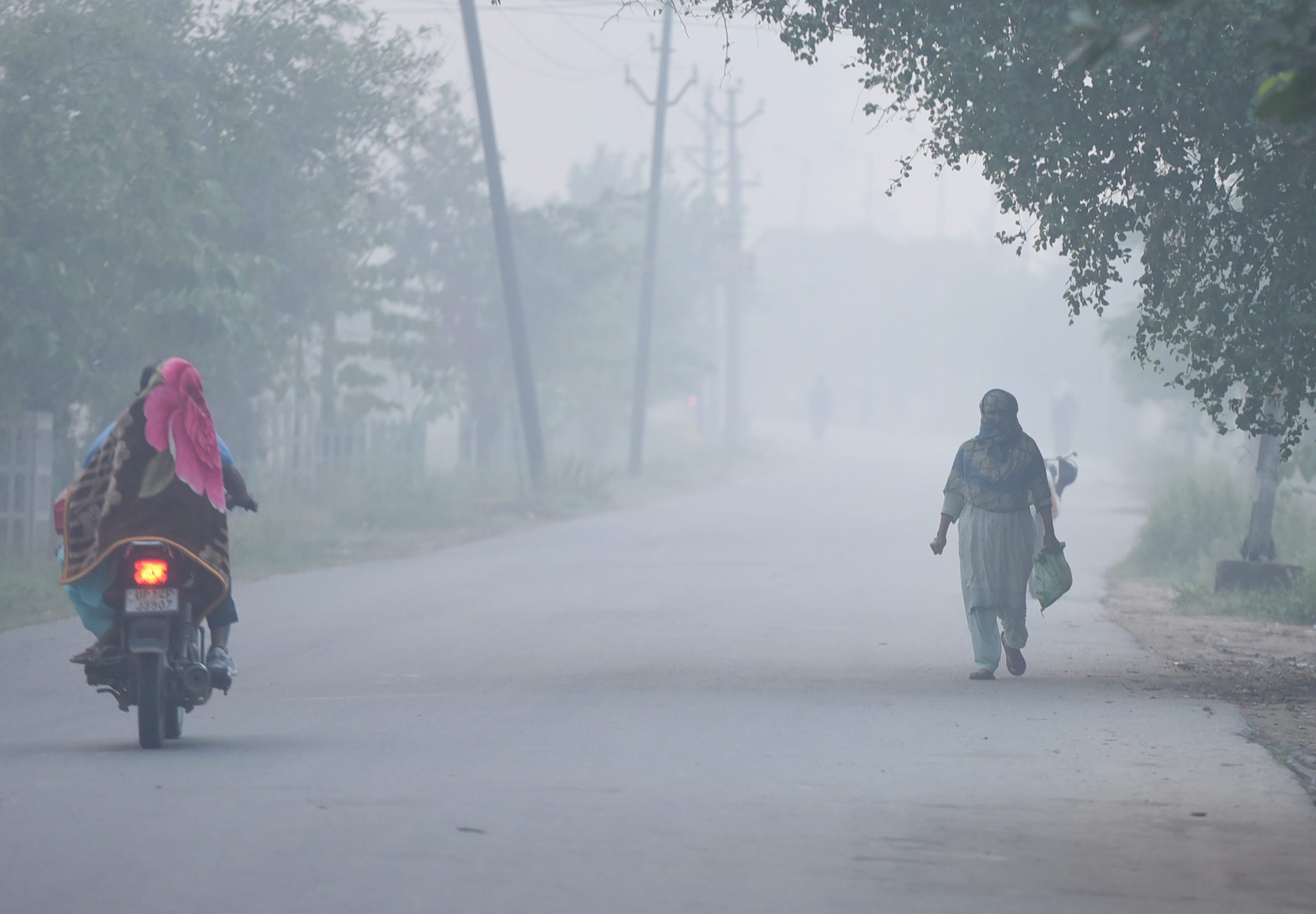
3. Be selective about your walking route
The route that one chooses for their morning walk also matters. The pulmonologist suggested avoiding roads with heavy vehicular traffic, traffic junctions, bus depots, construction sites and areas with visible dust or smoke.
Instead, he preferred parks and walking tracks located away from major roads. “However, remember that trees alone do not guarantee clean air. Choosing a route with less direct exposure to traffic and visible pollution is important,” he noted.
4. Adjust exercise intensity
When pollution levels are elevated, Dr Kulkarni advised avoiding brisk walking, jogging, running or other strenuous outdoor activity.
“Reduce the duration and intensity of your walk or move your exercise indoors,” he stated, explaining, “During exercise, breathing increases, which means a greater volume of polluted air enters the lungs. Therefore, continuing a strenuous workout outdoors when pollution levels are high may increase exposure.”
5. Take extra precautions if you have asthma or COPD
People with asthma or chronic obstructive pulmonary disease (COPD) need to be particularly cautious on high-pollution days.
Dr Kulkarni’s advice: “Avoid outdoor exercise when pollution levels are high, follow your prescribed medication plan and carry your prescribed rescue inhaler, if applicable.”
“Increased coughing, wheezing, chest tightness or breathlessness should not be ignored. These symptoms may indicate that outdoor conditions are affecting your breathing,” he added.
6. Protect children and elderly individuals
Children and older adults may be more vulnerable to the effects of air pollution, and one should be particularly cautious about taking them for outdoor walks or exercise when pollution levels are high.
“Check the AQI before planning outdoor activities and consider indoor alternatives when air quality is poor,” shared the pulmonologist.
7. Don't exercise through symptoms
If a person develops unusual coughing, wheezing, chest tightness or breathlessness during a walk, it is best they stop exercising and move to a cleaner indoor environment.
“Seek medical evaluation if symptoms persist or worsen,” suggested Dr Kulkarni. “Severe breathlessness or chest pain warrants urgent medical attention.”
“Continuing to exercise despite these symptoms is not advisable. Paying attention to how your body responds is an important part of making outdoor activity safer,” he added.
8. Have an indoor alternative
Dr Kulkarni highlighted that a poor AQI does not mean that physical activity has to stop for the day. Indoor walking, treadmill exercise, stationary cycling or other suitable indoor physical activities can serve as alternatives in such situations.
Note to readers: This article is for informational purposes only and not a substitute for professional medical advice. Always seek the advice of your doctor with any questions about a medical condition.
Dr Tarang Kulkarni is a consultant pulmonologist at Jupiter Hospital, Thane.


Catch your daily dose of Fashion, Taylor Swift, Health, Festivals, Travel, Relationship, Recipe and all the other Latest Lifestyle News on Hindustan Times Website and APPs.


