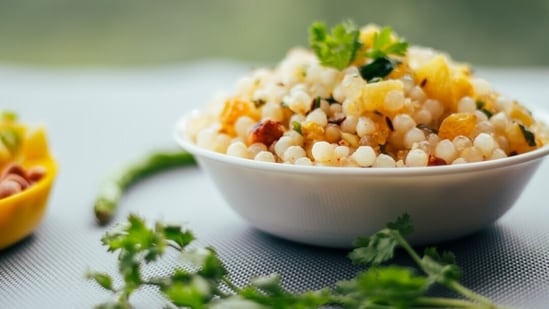
During Navratri, devotees observe fasts and switch to fasting-friendly foods such as sabudana khichdi, kuttu puri, and potato dishes. With much of the focus on which foods are allowed and which are not, you may overlook essential nutrients. But you can still observe the fast and, at the same time, meet your nutritional needs.ALSO READ: Leaving food out to cool? Dietitian shares common food storage mistakes to avoid food poisoning
What should you eat during Navratri, and what should your fasting diet look like? While you may choose fasting-friendly foods as part of your religious observance, your meals could still leave nutritional gaps. Dr Abhinav Walia, MD, functional medicine practitioner and lifestyle medicine physician, shared how to fill these gaps and meet your nutritional needs as well as properly observing the fast.
Here are some common doubts he addressed:
1. How to add protein in your Navratri meals?
Many popular Navratri foods, from sabudana khichdi to kuttu puri and potato dishes, are rich in carbohydrates. Relying mainly on these foods without including protein sources may leave your meals short of protein.
Dr Walia suggested milk, curd, paneer, and nuts. He added, “For instance, consuming paneer/curd along with kuttu roti is better than eating just potatoes/sabudana khichdi.”
Protein should not be overlooked, as it helps you feel full, supports bone and muscle health, and may help moderate blood sugar spikes after meals. Relying only on fried, carbohydrate-rich foods during Navratri, according to the expert, is one of the 'common nutritional pitfalls.'
{{/usCountry}}Protein should not be overlooked, as it helps you feel full, supports bone and muscle health, and may help moderate blood sugar spikes after meals. Relying only on fried, carbohydrate-rich foods during Navratri, according to the expert, is one of the 'common nutritional pitfalls.'
{{/usCountry}}
2. Why should you avoid relying only on potatoes and sabudana?
Potatoes and sabudana are popular choices among vrat foods. But the doctor pointed out that both are rich in carbohydrates, and sabudana especially is very low in protein and fibre. Instead of relying only on these foods, he advised including other options such as kuttu, rajgira, and singhara.
3. Which fruits and vegetables can you include in your fasting diet?
It is easy to rely only on foods like sabudana khichdi and kuttu puri during Navratri. But the doctor emphasized that these are high in carbs. Vegetables and fruits add essential nutritional value, otherwise you are just eating empty calories.
He recommended what you should eat: “Include fruits like apples, oranges, guava, and papaya, as well as allowed vegetables such as cucumber, bottle gourd, and pumpkin. Whole fruits are better than fruit juices since whole fruits contain fiber content and are more filling.”
4. How can you stay hydrated while fasting?
Hydration is essential during fasting, so ensure you are drinking water at regular intervals. The doctor recommended buttermilk as another source of hydration. Avoid sweetened beverages, as their high sugar content may cause a rapid rise and subsequent drop in blood sugar, potentially leaving you feeling low on energy.
5. Should you eat fried foods?
Many popular fasting foods are rich in carbohydrates or high in calories, especially when prepared with plenty of oil, ghee, or sugar. But the doctor confirmed that there is no need to avoid them completely. Instead, keep a watch on how often you eat them and your portion sizes. For healthier preparation, you can also try air-frying, boiling, or roasting.
6. What is one of the biggest mistake after breaking a fast?
Dr Walia flagged overeating as a big mistake: “Starving for hours and then having a big meal can cause indigestion as well as over-consumption of calories. If you can adjust your fasting according to that, then do so in an intelligent way, and do not eat too much just because you have skipped meals.”
7. What precautions should you take if you have an existing medical condition?
For people with diabetes, especially those taking insulin or other blood sugar-lowering medications, the doctor advised consulting their physician before fasting. Similarly, people with kidney problems may need special diets and should seek personalised advice.
8. Can fasting help you ‘detox?’
The doctor dispelled this claim and instead reminded you that your body already has its own detoxification process: "The liver and the kidneys have an innate ability to cleanse the body of toxins. It is thus not necessary to drink any detox drinks or restrict your diet during Navratri.”
Note to readers: This article is for informational purposes only and not a substitute for professional medical advice. Always seek the advice of your doctor with any questions about a medical condition.
Catch your daily dose of Fashion, Taylor Swift, Health, Festivals, Travel, Relationship, Recipe and all the other Latest Lifestyle News on Hindustan Times Website and APPs.
Catch your daily dose of Fashion, Taylor Swift, Health, Festivals, Travel, Relationship, Recipe and all the other Latest Lifestyle News on Hindustan Times Website and APPs.