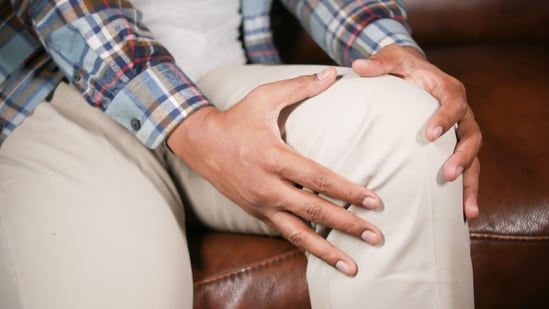
Telling the difference between a temporary joint ache and a condition like arthritis is important. Joint pain can occur after physical strain or be considered a normal part of ageing. But it can also be arthritis, which refers to a group of inflammatory conditions that affect joints, causing familiar pain and stiffness. Knowing which signs to watch out for helps in diagnosis and treatment.ALSO READ: Can sitting in AC all day cause joint pain? Orthopaedic surgeon explains science behind the stiffness
An expert expressed concern over how joint pain is normalised. Dr Rajesh Srinivas, consultant orthopaedic surgeon at Manipal Hospital Varthur Road, clarified that this is not the right approach. He said, "In many Indian homes, joint pain is brushed off with one line: ‘It's age, it will go.’ Sometimes that is true. But sometimes it is arthritis, and ignoring it can damage the joint for life.”
Instead of enduring it as a normal part of ageing and relying only on quick fixes like balms, it is time to seek medical care.
Moreover, the specialist highlighted the scale of the problem, noting that osteoarthritis is reported in about 22 per cent to 39 per cent of people in India, while rheumatoid arthritis affects between 0.5 per cent and 1 per cent of the population. Women are affected more often, particularly by rheumatoid arthritis.
Here are the five signs he flagged:
1. Pain that stays for weeks
- Normal pain after a long walk settles in a few days.
- If your pain continues for more than three weeks, get it checked.
2. Long morning stiffness
- If your fingers or knees feel stuck for more than 30 minutes after waking up, it can be a sign of inflammatory arthritis.
- Ordinary stiffness goes away within a few minutes.
3. Swelling, warmth or redness.
- A joint that looks puffy and feels hot is not just tired.
- It is inflamed.
4. Pain on both sides, in small joints
- Rheumatoid arthritis often attacks the same joints on both hands or both feet, like knuckles and wrists.
- A simple strain usually troubles only one side.
5. Tiredness, fever or night pain
- Feeling drained, running a low fever, or waking up at night with joint pain means the problem may be in the whole body, not just the joint.
The expert recommended going to see a doctor, rather than relying on painkillers, oil massages, or home remedies for months. An orthopaedic specialist or rheumatologist can assess your symptoms and, if needed, recommend X-rays and blood tests to help determine the cause of your joint pain.
Note to readers: This article is for informational purposes only and not a substitute for professional medical advice. Always seek the advice of your doctor with any questions about a medical condition.
Catch your daily dose of Fashion, Taylor Swift, Health, Festivals, Travel, Relationship, Recipe and all the other Latest Lifestyle News on Hindustan Times Website and APPs.
Catch your daily dose of Fashion, Taylor Swift, Health, Festivals, Travel, Relationship, Recipe and all the other Latest Lifestyle News on Hindustan Times Website and APPs.