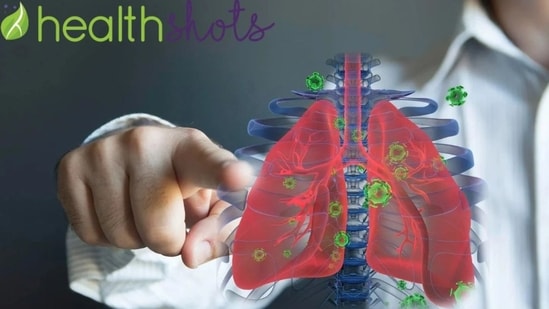
Lung cancer is commonly associated with smoking; however, it is important to understand that people who have never smoked can also develop the disease. In recent years, growing attention has been drawn to lung cancer among non-smokers, particularly in urban populations exposed to high levels of air pollution and other environmental pollutants. While smoking remains the leading risk factor for lung cancer, exposure to harmful substances in the environment, workplace, and household can also contribute to the development of the disease.
- One significant environmental risk factor is long-term exposure to air pollution, particularly fine particulate matter (PM2.5). These microscopic particles are small enough to travel deep into the lungs and may even enter the bloodstream. Prolonged exposure can cause chronic inflammation, oxidative stress and damage to lung tissue.
- "Over time, these changes may contribute to the development of cancerous cells", Dr Malay Nandy, Director and Head, Medical Oncology, ShardaCare – Healthcity tells Health Shots.
- Outdoor air pollution from vehicle emissions, industrial activities, construction dust, waste burning, and other sources can increase exposure, especially in highly polluted cities. The International Agency for Research on Cancer has classified outdoor air pollution and particulate matter as carcinogenic to humans.
- Indoor air pollution is another concern. Regular exposure to smoke from cooking fuels, poor ventilation, burning of biomass and second-hand tobacco smoke can increase respiratory health risks.
- In households that use solid fuels such as wood, coal, or dung for cooking, prolonged exposure to combustion-related pollutants may increase the risk of lung cancer.
Why is passive smoking harmful?
Passive smoking is also important because non-smokers who regularly inhale tobacco smoke are exposed to several cancer-causing chemicals. Occupational exposure can further increase the risk. Individuals working in construction, mining, manufacturing and certain industrial settings may come into contact with substances such as asbestos, silica dust, diesel exhaust and other hazardous chemicals. Long-term exposure without adequate protective equipment or workplace safety measures can cause significant damage to the respiratory system.
Why is radon gas a risk factor for lung cancer?
Radon, a naturally occurring radioactive gas that can accumulate inside buildings, is another established risk factor for lung cancer. Genetic susceptibility and family history may also influence an individual's risk. Certain inherited genetic changes can increase the likelihood of developing lung cancer, even in people who have never smoked. Some lung cancers in non-smokers, particularly adenocarcinoma, are associated with specific molecular alterations that can help doctors identify targeted treatment options.
What are the 7 warning signs of lung cancer?
One of the biggest challenges is that early-stage lung cancer may not produce noticeable symptoms. Persistent cough, coughing up blood, unexplained weight loss, chest discomfort, breathlessness, recurring respiratory infections and unexplained fatigue should not be ignored, particularly when symptoms persist or worsen. These signs do not necessarily indicate cancer, but they warrant medical evaluation.
Would a doctor say you have cancer before biopsy results?
Diagnosis may involve imaging investigations such as a chest CT scan, followed by a biopsy when required. Treatment depends on the type and stage of cancer and may include surgery, radiation therapy, chemotherapy, targeted therapy or immunotherapy.
Reducing exposure to air pollution, improving indoor ventilation, avoiding second-hand smoke and following occupational safety precautions can help lower exposure to harmful substances. Individuals should also discuss their personal risk factors and any persistent respiratory symptoms with a specialist.
Why do 90% of smokers not get lung cancer?
The important message is that lung cancer is not exclusively a smoker's disease. Non-smokers should not dismiss persistent respiratory symptoms simply because they have never used tobacco. Greater awareness, timely medical evaluation and appropriate investigations can help identify the disease earlier and improve treatment outcomes.
{{/usCountry}}The important message is that lung cancer is not exclusively a smoker's disease. Non-smokers should not dismiss persistent respiratory symptoms simply because they have never used tobacco. Greater awareness, timely medical evaluation and appropriate investigations can help identify the disease earlier and improve treatment outcomes.
{{/usCountry}}(Disclaimer: This article is for informational purposes only and is not a substitute for professional medical advice. Always seek the advice of your doctor with any questions about a medical condition.)
Catch your daily dose of Fashion, Taylor Swift, Health, Festivals, Travel, Relationship, Recipe and all the other Latest Lifestyle News on Hindustan Times Website and APPs.
Catch your daily dose of Fashion, Taylor Swift, Health, Festivals, Travel, Relationship, Recipe and all the other Latest Lifestyle News on Hindustan Times Website and APPs.