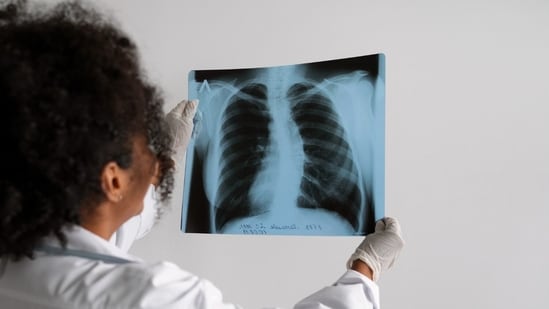
Indoor air pollution is an often-overlooked health concern, especially when cooking smoke and fumes build up in poorly ventilated kitchens. While smoking is a well-known risk factor for lung cancer, prolonged exposure to certain indoor pollutants may also affect lung health, even among non-smokers.
In an interview with HT Lifestyle, Dr Geeta Kadayaprath, surgical oncologist at Apollo Athenaa Women's Cancer Centre, South Delhi, with 27 years of experience, explains how prolonged exposure to cooking fumes can affect lung health, who may be more vulnerable and what simple steps can help reduce the risk. (Also read: From delayed meals to sugary treats: Diabetologist shares everyday factors that can affect blood sugar levels )
What makes kitchen air pollution a concern?
Cooking can release fine particles and gases into the air, particularly when food is fried, grilled or cooked at very high temperatures. Overheated or smoking oil can produce additional fumes, while gas stoves can release pollutants such as nitrogen dioxide.
“Cooking itself is not something people need to fear. The concern arises when smoke and fumes accumulate indoors regularly, particularly in kitchens with poor ventilation. When these pollutants are inhaled repeatedly over several years, they can affect respiratory health,” explains Dr Kadayaprath.
{{/usCountry}}“Cooking itself is not something people need to fear. The concern arises when smoke and fumes accumulate indoors regularly, particularly in kitchens with poor ventilation. When these pollutants are inhaled repeatedly over several years, they can affect respiratory health,” explains Dr Kadayaprath.
{{/usCountry}}She adds, “The problem can be more significant in homes where traditional fuels such as wood, charcoal, crop waste or cow dung are used for cooking. The smoke from these fuels contains fine particles that can travel deep into the lungs. Without adequate ventilation, these pollutants can remain trapped inside the kitchen and increase exposure.”
Can cooking fumes increase the risk of lung cancer?
While occasional exposure to cooking fumes does not mean a person will develop lung cancer, prolonged exposure to indoor air pollution is a concern.
“Long-term exposure to fine particulate matter and certain harmful chemicals in indoor air can damage the respiratory system. Research has linked indoor air pollution and prolonged exposure to cooking smoke with an increased risk of lung cancer, including among people who have never smoked,” says Dr Kadayaprath.
She further explains, “People who spend several hours cooking every day, particularly in poorly ventilated kitchens, may face greater cumulative exposure. However, indoor air pollution is only one of several risk factors. Smoking, second-hand smoke, outdoor air pollution, occupational exposure and genetic factors can also contribute to lung cancer risk.”
What are the signs of poor kitchen air quality?
Poor ventilation may not always be immediately obvious, but certain signs can indicate that smoke and fumes are not being adequately removed.
Dr Kadayaprath highlights a few warning signs to watch out for:
- Smoke or strong cooking smells that linger long after cooking is over.
- Eye irritation, coughing or throat discomfort while cooking.
- Frequent headaches associated with time spent in the kitchen.
- Black soot or heavy greasy deposits around the cooking area, walls or ceiling.
“These signs suggest that the kitchen may not have adequate ventilation or that smoke and cooking fumes are accumulating indoors. It is important to address the source of the pollution rather than simply getting used to these conditions,” she advises.
How can you reduce exposure to cooking fumes?
Improving kitchen ventilation and adopting cleaner cooking practices can help reduce exposure to indoor air pollutants. Dr Kadayaprath recommends the following measures:
1. Improve kitchen ventilation: Use an exhaust fan or chimney that vents fumes outside. Keep windows and doors open whenever possible to allow fresh air to circulate.
2. Avoid overheating cooking oil: Do not heat oil until it starts smoking, as this can release additional fumes into the air.
3. Choose lower-smoke cooking methods: Boiling, steaming and pressure cooking can help reduce the amount of smoke generated during food preparation.
4. Clean exhaust systems regularly: Remove grease and accumulated deposits from chimney filters and exhaust fans to help them function effectively.
5. Reduce exposure to traditional cooking fuels: Where possible, switch from solid fuels such as wood, charcoal and crop waste to cleaner cooking options.
Why should women pay attention to indoor air pollution?
Since cooking is a daily activity in many households, people who spend several hours in the kitchen may experience repeated exposure to indoor pollutants. This makes kitchen ventilation and cleaner cooking practices important aspects of long-term health protection.
“My message is not to fear cooking but to pay attention to the quality of the air you breathe while preparing food. Regularly accumulating smoke, lingering fumes and inadequate ventilation should not be considered normal. Simple changes in ventilation and cooking habits can help reduce exposure and support better lung health,” concludes Dr Kadayaprath.
Note to readers: This article is for informational purposes only and not a substitute for professional medical advice. Always seek the advice of your doctor with any questions about a medical condition.
Catch your daily dose of Fashion, Taylor Swift, Health, Festivals, Travel, Relationship, Recipe and all the other Latest Lifestyle News on Hindustan Times Website and APPs.
Catch your daily dose of Fashion, Taylor Swift, Health, Festivals, Travel, Relationship, Recipe and all the other Latest Lifestyle News on Hindustan Times Website and APPs.