Diabetes is a silent architect of chronic illness, believes Dr Navinath Mohan, senior consultant nephrologist and renal transplant physician at AINU, Chennai. In its early stages, elevated blood glucose causes no outward pain or distress. However, microvascular damage progresses silently.
Also Read | Doctor explains how overeating and drinking can cause acute pancreatitis, shares warning signs
Interacting with HT Lifestyle on World Diabetes Day, which is observed every year on November 14, Dr Mohan shared that by the time noticeable symptoms like pedal oedema, foamy urine, or declining appetite appear, diabetic kidney disease (diabetic nephropathy) is often in its advanced stage.
Effect and detection of diabetic kidney disease
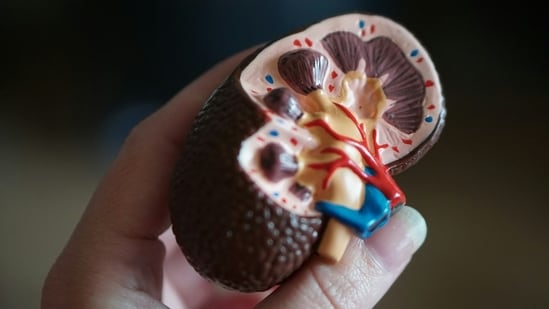
Dr Mohan explained that the kidneys contain millions of microscopic capillary filters called nephrons.
“Chronic hyperglycemia stiffens and scars these delicate structures, while coexisting hypertension accelerates the loss of functional tissue,” he stated.
What begins as microscopic leakage of protein can advance toward end-stage renal disease requiring dialysis or transplantation, if neglected over a decade.
{{/usCountry}}What begins as microscopic leakage of protein can advance toward end-stage renal disease requiring dialysis or transplantation, if neglected over a decade.
{{/usCountry}}Fortunately, the nephrologist pointed out that this outcome is neither inevitable nor irreversible if detected early. Simple, inexpensive screening tests conducted at least once a year in the early stages of diabetes can reveal kidney stress long before symptoms surface.
Such tests include:
- Urine Albumin-to-Creatinine Ratio (uACR): Detects minute amounts of protein leaking into the urine (microalbuminuria), signalling kidney distress at a reversible stage.
- Serum Creatinine and estimated GFR (eGFR): Evaluates how effectively your kidneys clear metabolic waste from the bloodstream.
Lifestyle habits to keep the kidneys safe
In the words of Dr Mohan, “Medical therapy, however, must be paired with daily lifestyle stewardship to maintain kidney health.” Some of the healthy habits that he encouraged include:
Dietary moderation: Limit excess dietary sodium to lower intraglomerular pressure, choose balanced plant-forward meals, and consult a renal dietitian before adopting protein-heavy diets.
Physical activity: Dedicate 150 minutes weekly to moderate aerobic exercise such as brisk walking or swimming to enhance insulin sensitivity and preserve vascular tone.
Weight reduction: Obesity can worsen renal dysfunction, and it’s important to maintain a normal BMI to prevent further worsening of chronic kidney disease.
Avoid self-medication: Over-the-counter painkillers (NSAIDs) and unverified remedies can trigger acute kidney injury superimposed on chronic disease.
Note to readers: This article is for informational purposes only and not a substitute for professional medical advice. Always seek the advice of your doctor with any questions about a medical condition.
Catch your daily dose of Fashion, Taylor Swift, Health, Festivals, Travel, Relationship, Recipe and all the other Latest Lifestyle News on Hindustan Times Website and APPs.
Catch your daily dose of Fashion, Taylor Swift, Health, Festivals, Travel, Relationship, Recipe and all the other Latest Lifestyle News on Hindustan Times Website and APPs.