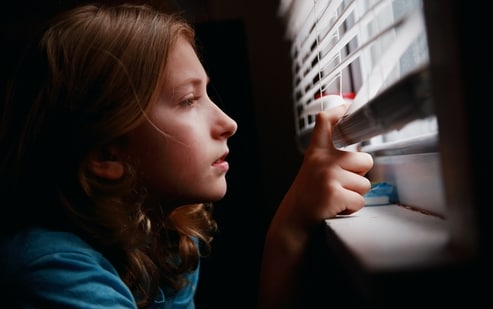
Is your child struggling to make friends? Does he or she face challenges in making social connections? As parents, we often ponder these questions, concerned about our child's happiness and well-being. Humans are social animals, and staying in touch with other people is important not only for our social well-being but also for our mental health. As a parent, it can be worrying to see your child unable to mix with other children or make friends, but before we try to find solutions, it's important to understand why some children find it more difficult to socialise than others. First and foremost, human beings are by nature joyful, and when a person is happy, there is no such thing as an introvert or an extrovert.
Arouba Kabir, mental health counsellor, wellness coach and founder of Enso wellness shared with HT Lifestyle the various factors which could lead children to find it hard to socialise or make friends.
1. Role of parents: If parents themselves are shy or introverted, their children may pick up on these traits or become more reserved themselves. On the other hand, if parents are overly pushy, they might unintentionally put pressure on their child to make friends, causing anxiety or making them feel inadequate- I often encourage parents to work on themselves, so that they give a balanced version of themselves to the children, and when a child says that they would have the right amount of everything, including building social connections or nurturing bonds.
2. Shyness or introversion: There are no shy or introvert children-there are just children. So stop calling your child a shy child or an introverted child because when you start labelling them, that is how they start behaving. Some children are naturally calm and quieter than others, which might make it harder for them to initiate interactions with peers.
{{/usCountry}}2. Shyness or introversion: There are no shy or introvert children-there are just children. So stop calling your child a shy child or an introverted child because when you start labelling them, that is how they start behaving. Some children are naturally calm and quieter than others, which might make it harder for them to initiate interactions with peers.
{{/usCountry}}3. Social anxiety: Children, like adults, can experience social anxiety, and most of the time we see this in children who have dysfunction in their homes. If there are frequent fights or conflicts at home, it can create a tense atmosphere, making it challenging for a child to relax and develop social skills. Before being socially anxious, see if your child is anxious at home as well.
4. Lack of social skills: the first step towards nurturing bones is effective communication, and if there is a lack of effective communication at home or lack of expression or they are criticised by parents, peers or teachers -Children may not develop essential social skills or learn conflict resolution.
5. Unique interests: Every child is not the same all have unique hobbies and interests which might not be something other children around them are interested in. But if they find the children of similar interest, the true personality comes out.
6. Bullying/criticism/comparison: A past negative encounter with a peer or a bullying incident can erode a child's confidence in forming new friendships. I once got to know from a child Client that they had seen a bullying incident in a TV show and they got scared and thought it might happen to them and they developed in society around people.
“The home and school environment plays a pivotal role in shaping a child's ability to make friends, and build relationships. It's not just about providing shelter and meals; it's about creating an emotional haven where a child feels safe, valued, and understood. This sense of security significantly impacts their social interactions and friendships outside,” says Arouba Kabir.
How parents can help?
1. Open and emotionally safe communication: Your child should feel safe emotionally and physically to share their struggles or overcoming with you. Give them that space and also share your challenges about making friends or socialising. Let them know that sometimes it is difficult for all of us but we overcome it because we're social animals and blessed with social skills.
2. Teach empathy: It's very important for children to learn compassionate empathy. Encourage them to see situations from others perspective and not take every thing as a rejection. Try to make them understand that rejection is always a redirection.
3. Exposure to group activities: Spending time with your child is amazing, but enrolling your child in group activities or clubs aligned with their interests can be even more impactful. Shared interests can serve as a powerful catalyst for socialization and the development of friendships.
4. Social skills development: Teach skills like active listening, sharing, and problem-solving, role-playing scenarios that can be an effective way to help your child become more interactive and social.
5. Model healthy relationships: Children learn by observing. Let them know about your friendships, stop back biting about your friends or critiquing them. Demonstrate healthy friendships and communication in your own relationships with your partner, friends and family.
6. Seek professional help: Do not wait for the situation to go worse, If your child's difficulties persist and significantly impact their well-being, consider seeking guidance from a child psychologist or counselor.
7. Celebrating small wins: Making friends is a process that unfolds over time. Celebrate even small successes with your child. Acknowledge their efforts and offer positive reinforcement when they make progress in social interactions.
Catch your daily dose of Fashion, Taylor Swift, Health, Festivals, Travel, Relationship, Recipe and all the other Latest Lifestyle News on Hindustan Times Website and APPs.
Catch your daily dose of Fashion, Taylor Swift, Health, Festivals, Travel, Relationship, Recipe and all the other Latest Lifestyle News on Hindustan Times Website and APPs.