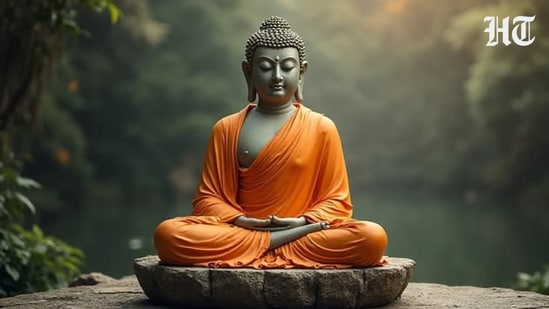
Some teachings stay with you because they shape the way you see life and respond to its challenges. These five Buddhist teachings can influence not only how you approach your own life but also how you understand difficult emotions. They are worth returning to, especially when life feels overwhelming.
Acceptance can coexist with the desire for change. Compassion can include taking responsibility. You can care deeply about your life while learning to loosen your grip on exactly how it is supposed to unfold. You may find yourself practicing these lessons repeatedly, especially on days when overthinking feels easier than allowing yourself to feel.
1. Pain and suffering are not the same
Pain is unavoidable, but suffering often comes from resisting reality and struggling against what has already happened. You can spend years trying to think your way out of pain instead of learning how to sit with it and acknowledge what you are feeling. Accepting pain does not mean that you have to like what is happening or stop trying to change your circumstances. It means allowing yourself to recognize what you are going through without adding another layer of resistance to it.
2. Everything is impermanent
{{/usCountry}}Pain is unavoidable, but suffering often comes from resisting reality and struggling against what has already happened. You can spend years trying to think your way out of pain instead of learning how to sit with it and acknowledge what you are feeling. Accepting pain does not mean that you have to like what is happening or stop trying to change your circumstances. It means allowing yourself to recognize what you are going through without adding another layer of resistance to it.
2. Everything is impermanent
{{/usCountry}}Nothing stays forever, not joy, not fear and not even the difficult phase you may be going through. Yet you may find yourself seeking certainty because you believe it will make you feel safe. The Buddhist teaching of impermanence reminds you that change is part of life. Instead of holding on to the idea that everything must remain the same, you can learn to trust that circumstances will change. What feels overwhelming today may not feel the same tomorrow.
ALSO READ: Feng Shui explains why sleeping with your feet toward the door is considered inauspicious
3. Letting go is not losing
Letting go does not mean giving up. It means releasing what no longer serves the moment you are in. Some things may have helped you survive one chapter of your life but could keep you stuck in the next. You do not have to hold on to old patterns, expectations or relationships simply because they were once important to you. Recognizing when something has served its purpose is also part of growth. Letting go can make room for something different without taking away the value of what came before.
4. Fear is not the enemy
Fear does not always mean you should stop. Sometimes, it simply means you need to pay attention. Courage is not about being fearless; it is about being present even when you are afraid. You do not have to wait for fear to disappear before taking a step forward. You can acknowledge what makes you uncomfortable, understand where it comes from and still choose how you want to respond. Fear can be part of the experience without having to make every decision for you.
5. Compassion comes first
Self-criticism may not help you heal, but kindness might. Growth does not come from constantly being hard on yourself or forcing yourself to change. It also requires patience and compassion. You can take responsibility for your actions without treating yourself harshly. Being kind to yourself does not mean avoiding difficult truths or making excuses. It means giving yourself the understanding and space you need to learn, take responsibility and move forward.
ALSO READ: From Karna to Sita: The legends from the Mahabharata and Ramayana associated with Chhath Puja
Disclaimer: This article discusses Buddhist teachings from a personal and reflective perspective. It is intended for general awareness and should not be considered a substitute for professional advice.