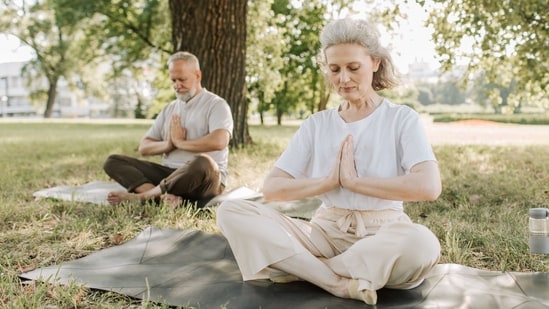
Your thoughts can easily move away from the moment you are in. You may be thinking about a meeting later in the day, replaying an awkward conversation or simply struggling to focus on what is happening around you.
One mindfulness exercise asks you to do something much simpler: notice your surroundings.
The 5-4-3-2-1 grounding technique uses your five senses to direct your attention toward what you can see, feel, hear, smell and taste. Cleveland Clinic recently explained the practice as one way people can bring their attention back to the present moment.
Also Read Harvard shares simple mindfulness practices that may help with overeating. Here's how they work
What is the 5-4-3-2-1 grounding technique?
The exercise follows a simple sequence.
You start by noticing five things you can see. Then you identify four things you can feel, followed by three things you can hear. You continue with two things you can smell** and finish with one thing you can taste.
The objects do not need to be unusual. You could notice the texture of your clothing, the sound of traffic outside or the smell of your morning coffee.
{{/usCountry}}The objects do not need to be unusual. You could notice the texture of your clothing, the sound of traffic outside or the smell of your morning coffee.
{{/usCountry}}Cleveland Clinic's integrative medicine physician, Melissa Young, describes grounding techniques as a way to bring you into the present moment. She also notes that there is no fixed answer for what you should notice. “There isn’t a right or wrong answer,”says Melissa.
Also Read 54321 grounding technique: How to use this mindfulness method to cope with anxiety
How to practice the grounding technique?
You can try the exercise wherever you are. Sit comfortably and take a moment to look around you.
Start with your surroundings rather than your thoughts. Name five things you see. Move on to the four sensations you can physically notice. Listen carefully for three sounds, then identify two smells and one taste.
The aim is to pay attention to each sensation instead of rushing through the list.
The approach fits into a broader idea in mindfulness: deliberately noticing what is happening around you rather than letting your attention move automatically from one thought to another.
When can you try the technique?
There is no special setting required. You can try it while sitting at home, during a break at work or when you simply want to pause and become more aware of your surroundings.
According to the Cleveland Clinic, grounding techniques can be used when difficult emotions arise. It is important, however, not to view a short mindfulness exercise as a substitute for professional help. If anxiety, distress or other symptoms are persistent or affecting your everyday life, a qualified healthcare professional can help you understand what support may be appropriate.