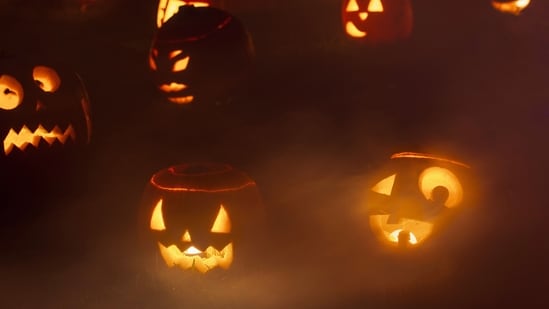
As Halloween approaches this Saturday, October 31, 2026, many people will celebrate with costumes, candy and spooky decorations. But the date also holds spiritual meaning for people who observe Samhain, an ancient Celtic festival linked to the end of the harvest season and the beginning of winter.
Samhain carries a long history of beliefs about the dead, ancestral connections and the spirit world. Today, some modern Pagan and Wiccan communities use this time to remember loved ones and reflect on the cycle of life. Here is why Samhain remains meaningful and how its traditions connect with Halloween.
Also Read Halloween 2026: Costumes to wear based on your zodiac sign
What is Samhain and why is it celebrated on October 31?
Samhain, pronounced “SOW-in,” marks the seasonal shift from autumn toward winter. According to HISTORY, the festival traditionally takes place from October 31 to November 1 and marks the start of the darker half of the year.
Ancient Celtic communities marked this seasonal change with bonfires, feasts and other customs. The festival also carried spiritual meaning, as people believed the boundary between the living and the spirit world could become thinner during this period.
Why is Samhain associated with connecting with ancestors?
{{/usCountry}}Ancient Celtic communities marked this seasonal change with bonfires, feasts and other customs. The festival also carried spiritual meaning, as people believed the boundary between the living and the spirit world could become thinner during this period.
Why is Samhain associated with connecting with ancestors?
{{/usCountry}}For people who observe Samhain, the festival offers a time to remember those who have died. Celtic folklore held that ancestors and other spirits could return during this period.
According to HISTORY, in Samhain traditions, people left food offerings and used disguises in customs linked to supernatural beliefs. Today, some practitioners mark the occasion by lighting candles, sharing memories of loved ones or creating spaces for remembrance.
These practices reflect cultural and spiritual beliefs. They do not establish that spirits literally return on Halloween.
What does the thinning veil mean spiritually?
The phrase “thinning veil” describes the belief that the boundary between the physical world and the spirit world becomes less distinct around Samhain. Modern spiritual communities often use this idea to explain why the festival feels like a meaningful time for ancestor remembrance, reflection and rituals.
The concept also appears in popular Halloween history. However, the thinning veil remains a spiritual belief rather than a scientifically verified event.
Samhain rituals you can observe on Halloween day
If you want to explore Samhain respectfully, you can mark the occasion through simple acts of remembrance and reflection.
- Light a candle: Set aside a quiet moment to remember someone you love, following basic fire safety.
- Create a remembrance space: Place photographs or meaningful objects in a dedicated area.
- Write in a journal: Record memories, family stories or lessons you want to carry forward.
- Reflect on the changing season: Use the transition toward winter to consider what you want to leave behind and what you hope to nurture.
How did Samhain become connected to Halloween?
Halloween's history draws on several traditions. The ancient Celtic festival of Samhain helped shape customs linked to spirits, disguises and seasonal change. Later, Christian observances around All Saints' Day on November 1 influenced the development of All Hallows' Eve, which became Halloween.
As Irish and Scottish immigrants brought their customs to the United States, Halloween traditions evolved. Today, the holiday combines popular celebrations with older folklore and spiritual practices.
For Samhain observers, October 31 can therefore offer more than a night of spooky fun. It can also provide an opportunity to honor ancestors, reflect on life's changes and remember the people whose stories remain part of their lives.