The Lok Sabha elections in Jharkhand began on Monday with polling in three parliamentary constituencies---Lohardaga, Palamu and Chatra--- result of which would be a test of popularity for the ruling BJP, besides the opposition grand alliance including the Congress, JMM, JVM-P and the RJD.
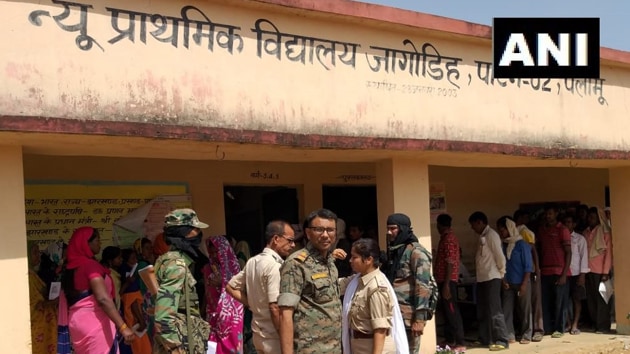
Election for 14 seats in Jharkhand are scheduled to be held in four phases, beginning with three LS seats going to polls on April 29. Of these, Lohardaga seat is reserved for scheduled tribes and Palamu for scheduled castes. Presently, the BJP holds 12 of the 14 LS seats in the state, including the three going to polls first.
Lok Sabha Elections 2019, 4th phase voting: Follow live updates here
The BJP claims to have retained in all three seats in first phase, while grand alliance claimed that all three seats would come in its pocket.
Barring Chatra, where opposition grand alliance partners, Congress and the RJD, are engaged in a friendly fight, the BJP is pitched in a direct battle with the opposition alliance in Lohardaga and Palamu.
Watch | Lok Sabha Elections 2019: Watch out for these big fights in Phase 4
{{/usCountry}}Watch | Lok Sabha Elections 2019: Watch out for these big fights in Phase 4
{{/usCountry}}In Lohardaga, Sudershan Bhagat, who is representing the seat since 2009, is facing a tough battle this time round as he is locked in a direct fight with Lohardaga legislator and former Jharkhand Congress chief Sukhdeo Bhagat.
Sukhdeo Bhagat is contesting on Congress ticket as part of the opposition alliance in the state, hence consolidation of opposition votes. Despite the Modi wave, Sudershan Bhagat had just scraped through in 2014 with just over 6000 votes in a multi-corner contest.
Lohardaga, a reserved seat for scheduled castes, is dominated by tribals. The seat has sizeable tribal Christians, who are expected to polarize against the BJP due to local factors such as Pathalgadi movement in neighbouring districts and anti-conversion law legislated by the state government.
The BJP won both Palamu and Chatra seats by handsome margin in 2014. While former state DGP VD Ram won from Palamu, Sunil Singh, despite being an ‘outsider’, won from Chatra.
The party has repeated both of them in 2019 despite protests from local party workers in both constituencies. BJP leader and Latehar district board vice-chairman Rajendra Saw has turned rebel and is contesting as independent from Chatra.
While Ram is locked in a direct fight with RJD’s Ghutan Ram in Palamu, Sunil Singh is having a breather as RJD and Congress are engaged in friendly fight making the contest triangular.
BJP spokesperson Pratul Shadeo said, “We will win all three seats in first phase with good margin, as there is strong Modi under current across Jharkhand.”
However, Congress spokesman Rajesh Thakur said, “The alliance of opposition parties have given a strong edge to our candidates this election. We are certain to win Lohardaga seat with good margin whereas we have strong candidates in Chatra and Palamu, who we believe will defeat BJP candidates.”