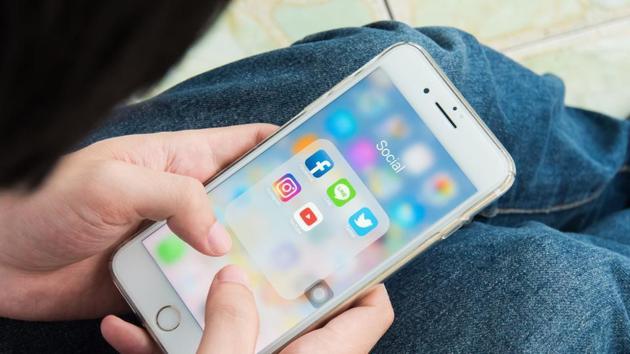
False information on the internet travels faster than the truth, researchers said on Thursday. But contrary to popular belief, it is largely people who spread the misinformation, not robots. The report in the journal Science is the largest of its kind to date, and studied some 1,26,000 cascades on Twitter from 2006 to 2017. These contested news stories were tweeted by three million people over 4.5 million times.
To determine whether the news was true or false, researchers relied on six independent fact-checking organisations. “Falsehoods were 70% more likely to be retweeted than the truth,” said the report, led by researchers at the Massachusetts Institute for Technology (MIT).
“It also takes true stories about six times as long to reach 1,500 people as it does for false stories to reach the same number of people.” Prior studies on the topic have been limited to case studies or smaller samples. Researchers say fake stories spread faster because of the “novelty hypothesis,” which suggests people share these stories because they are more surprising than real news.
Falsehoods commonly inspired replies on Twitter expressing surprise, fear and disgust, said the report. The truth tended to elicit sadness, anticipation, joy and trust. The study also found that the amount of false news on Twitter is increasing, and tends to spike during major events like the US presidential elections of 2012 and 2016. However, the perpetrators do not tend to have huge followings.
In fact, those who spread false news “had significantly fewer followers, followed significantly fewer people, were significantly less active on Twitter, were ‘verified’ significantly less often and had been on Twitter for significantly less time,” said the study. The use of automated Twitter “bots” has become a focus of FBI special counsel Robert Mueller’s probe of alleged Russian interference in the 2016 US presidential election.
{{/usCountry}}In fact, those who spread false news “had significantly fewer followers, followed significantly fewer people, were significantly less active on Twitter, were ‘verified’ significantly less often and had been on Twitter for significantly less time,” said the study. The use of automated Twitter “bots” has become a focus of FBI special counsel Robert Mueller’s probe of alleged Russian interference in the 2016 US presidential election.
{{/usCountry}}These programs were used, according to an indictment by Mueller’s office, to “sow discord in the US political system.” At the end of February, Twitter issued new rules aimed at limiting the influence of bots on the social network.
Follow @htlifeandstyle for more