
 E-Paper



Lockdown is painful but may be Mumbai’s best chance at tackling Coronavirus
If Mumbai is completely locked down, it will resemble a ghost town not unlike Wuhan from where photographs and videos were shared in late January.

 Prefer HTon Google


As Mumbai lives out another week – a critical week in the life of the pandemic that’s CoVID-19 – and faces a public health crisis, the city stares at a possible lockdown. It would be our worst nightmare coming true. It would have done to Mumbai what staggering events such as the serial bomb blasts of March 1993 and the terror siege of 26/11 failed to do – bring the city to a complete standstill, to its knees as it were.
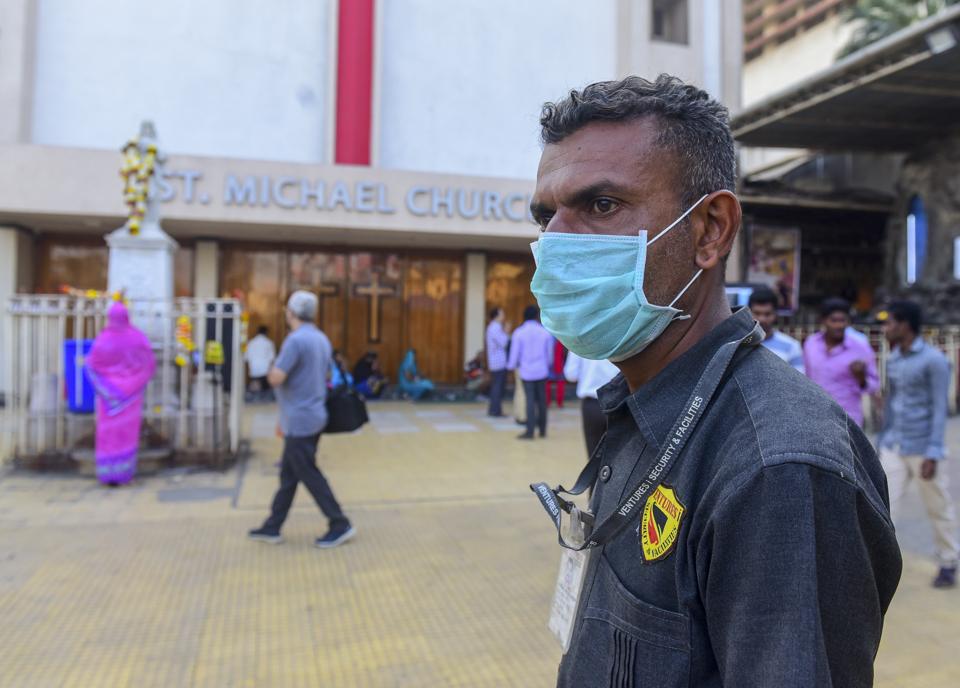
Given the point in the graph of the pandemic that Mumbai is at, well into its second week with one death and hundreds quarantined, a lockdown may be the best way out to beat back the spread of CoVID-19. There is hardly any elbow room to work around the CoVID-19 spread given what we now know about its sweep, graph and cycle. A lockdown is unlikely to be pretty. Should it happen, it will hurt the city’s vulnerable the most.
Mumbai, and Maharashtra which is India’s most industrialised and urbanised state, will suffer economically if a complete lockdown is enforced. Nearly 68% of Mumbai’s workers are in the informal sector and many of them do not have the ‘work from home’ option that the formal sector has offered to its employees. Those who live on daily wages are already suffering due to reduced demand for work, they may be within days of starvation if a lockdown is declared. Its sanitation and healthcare workers are among the most stressed in India.
The issue for Mumbai then is not only if a lockdown is necessary but also how to enforce one in a way that minimally impacts its most vulnerable working class especially with loss of work opportunities and shortages of essential items. In managing CoVID-19, Mumbai – indeed, Maharashtra – could pick up tips from Kerala which, among other things, has found ways to reach mid-day meals to children at home when their schools are shut down during shut down.
So far, Mumbai’s leisure and entertainment centres have been placed under restrictions, its famed Siddhivinayak Temple shut doors to devotees, appeals have been repeatedly made to companies to allow their staff to work from home, cops have been guarding beaches to prevent revellers from being there, government and civic staff in offices was cut by half, and chief minister Uddhav Thackeray came within an inch of shutting down suburban railway train network and BEST buses on Tuesday. “We do not want to curtail them,” he said, “but people have to cooperate by not venturing out unnecessarily. If they don’t, then we might possibly consider such a move.”
If Mumbai is completely locked down, it will resemble a ghost town not unlike Wuhan from where photographs and videos were shared in late January. Those visuals seemed from a post-apocalypse film and the international media reported – to the extent it could – of people in Wuhan who called it “a suffocating city” with public transport at a standstill, shops shuttered, people’s movements severely restricted, only emergency and healthcare workers up and about, some hotels offering free accommodation and volunteers offering free transport to them.
Since those weeks in January, of course, countries like Italy, France and Iran have been shuttered, cities like San Francisco and New York fully or partially locked down, and scores of cities across the world placed under severe restrictions to limit people’s movement so that CoVID-19 cases do not rise. What’s clear now is that an early and proactive lockdown of a city helps contain the spread of the virus while a delayed and reactive one achieves little. Singapore, Japan and South Korea are good examples of the former.
A group of Bengaluru-based start-ups has, on the basis of data modelling, recommended to the Prime Minister and state governments that lockdowns of cities for two-three weeks now instead of days later might well save as many as five times the number of lives. From Wuhan came an insight into managing the lockdown, where its 11 million citizens relied on digital technology to get through the days; the Harvard Business Review termed it as their “digital maturity” matched by “digitally supported supply chains”.
Mumbai, let alone Maharashtra, is of course nowhere as digitally wired as Wuhan. Lockdowns don’t sit well on any city, let alone a country. They turn bustling cities into ghost towns, they create or exacerbate existing anxieties, and they do put its most vulnerable citizens at risk of no-work-no-pay. Without work, many of the migrants may be tempted to travel back to their hometowns and villages, unknowingly spreading the coronavirus farther.
The decision to lock down a city or state is a drastic one that brings pain and loss, but it may help contain the virus and keep us alive to rebuild our economy and lives.


