Monkey Fever has killed two people in Maharashtra in the first two months of 2019 – a major cause for concern for the state health machinery. The viral infection, a tick-borne haemorrhagic fever, also known as Kyasanur Forest Disease (KDF), is said to have spread from Karnataka where it has claimed over 14 lives since January 1.
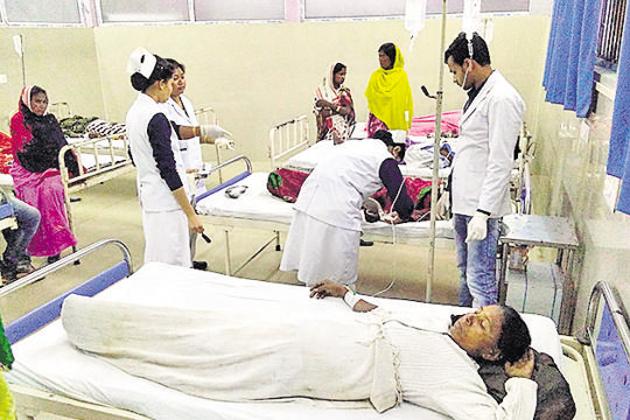
In Maharashtra, KFD is limited to two talukas of Sindhudurg district — Sawantwadi and Dodamarg. Since 2016, when it was first reported in the state, the infection has killed 24 people and infected 465. This year, 26 cases have been reported. State health officials said they are planning to vaccinate over 78,000 people in the affected areas to prevent its spread.
“Since there is no cure, vaccination and surveillance are the two key options to contain KFD. The vulnerable population, people with co-morbid conditions such as diabetes, hypertension and other immunodeficiency disorders, pregnant women, children, and senior citizens will be vaccinated,” said Dr Mahendra Jagtap, head of entomology department, Directorate of Health Services (DHS).
Deaths of monkeys —the sentinel carrier of the ticks which spread KFD — are used as event-based surveillance to indicate which areas need the highest amount of observation and preventive measures.
The virus spreads when humans come in close contact with the carcass or faeces of an infected monkey. Dr Mahesh Khalipe, district health officer, Sindhudurg, said that all the cases are reported from areas with monkey deaths. “Only those who were critical were shifted to Goa Medical College for treatment,” said Dr Khalipe.
{{/usCountry}}The virus spreads when humans come in close contact with the carcass or faeces of an infected monkey. Dr Mahesh Khalipe, district health officer, Sindhudurg, said that all the cases are reported from areas with monkey deaths. “Only those who were critical were shifted to Goa Medical College for treatment,” said Dr Khalipe.
{{/usCountry}}Dr Jagtap said that while the mortality of the disease is high, the vaccines are effective. However, reports from Karnataka suggest that deaths have also taken place among those who were vaccinated.
In humans, the virus is said to cause high fever, headaches, nose bleed, gastrointestinal bleeding, vomiting, muscle stiffness, tremors, absent reflexes, and mental disturbances. These symptoms begin three to eight days after exposure and in two weeks, patients begin to recover. In some cases, there is a seven-14 day period of remission, followed by a second phase characterised by fatal neurologic manifestations.
Stay updated with all the Breaking News and Latest News from Mumbai. Click here for comprehensive coverage of top Cities including Bengaluru, Delhi, Hyderabad, and more across India along with Stay informed on the latest happenings in World News.
Stay updated with all the Breaking News and Latest News from Mumbai. Click here for comprehensive coverage of top Cities including Bengaluru, Delhi, Hyderabad, and more across India along with Stay informed on the latest happenings in World News.