A social-media claim that 80 of 82 resident doctors hired by Rochester General Hospital in New York were foreign workers on H-1B or J-1 visas has drawn scrutiny from a US Labor Department watchdog, who is now demanding that the hospital provide the numbers.
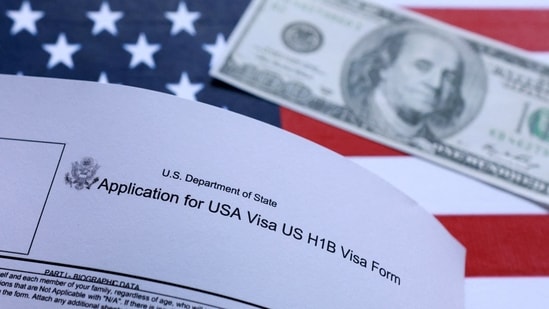
Inspector General Anthony D’Esposito raised the issue in a September 28 post on X after an account called Expose H1B Fraud alleged that Rochester General Hospital had hired 82 resident doctors, of whom 80 were H-1B or J-1 visa holders and only two were Americans.
“Show us the numbers,” D’Esposito wrote, asking Rochester Regional Health how many residency positions went to H-1B and J-1 visa holders and “how many American applicants got a fair shot.”
D’Esposito said President Donald Trump’s executive order had put visa abuse “under the microscope” and that his office would work with Vice President JD Vance’s White House Fraud Task Force if the system was being misused.
{{/usCountry}}D’Esposito said President Donald Trump’s executive order had put visa abuse “under the microscope” and that his office would work with Vice President JD Vance’s White House Fraud Task Force if the system was being misused.
{{/usCountry}}What the viral post claims
The allegation originated in a September 27 social-media post that described the Rochester General Hospital hiring as a case in which 98% of residency slots went to visa workers.
The post also alleged that many of the foreign workers came from countries with documented USMLE cheating. It did not provide supporting records for the 80-of-82 figure or establish how the alleged visa breakdown was calculated.
The 80-of-82 figure has not been independently verified in the information available for this report. D’Esposito's request for the numbers indicates that the figures are being sought for verification.
H-1B scrutiny widens beyond tech
The Rochester controversy comes as the Trump administration has broadened its scrutiny of the H-1B program beyond traditional technology-sector hiring. On September 18, President Donald Trump extended the administration's restrictions on certain H-1B workers for another year, keeping the measures in place through September 21, 2027.
The proclamation restricts the entry of certain H-1B workers outside the US unless their petitions are accompanied by a $100,000 payment, subject to exceptions.
The administration has also pointed to changes in H-1B registration patterns as evidence that its crackdown is reshaping the program.
According to the White House, registrations by the largest IT staffing and outsourcing firms fell from 24,946 to 2,055, a 92% decline, while consular-processing requests dropped by nearly 97% between the FY2025 and FY2027 cap seasons.
H-1B scrutiny expands
The dispute comes as the Trump administration has intensified scrutiny of H-1B hiring and alleged abuse of employment-based immigration programs.
D’Esposito’s intervention brings that broader debate into medical residency recruitment, where international medical graduates have long been part of the US training system.