As the monsoon season progresses, it brings with it a host of vector-borne diseases. Dengue and malaria are perhaps the best known. But when such illnesses strike, who gives up workdays to care for the sick, who spends sleepless nights tending to them, who is saddled with extra chores around the house or fields, and who is tasked with keeping the household going and handling hospital visits? It is almost always the woman of the house. With nearly 300,000 dengue cases reported in India last year, and malaria still entrenched in the country’s poorest districts, the unpaid caregiving load on women has grown into a hidden public health crisis of its own. Women provide informal care in up to 83% of malaria cases and spend roughly four times more days caregiving than men when a family member falls ill.
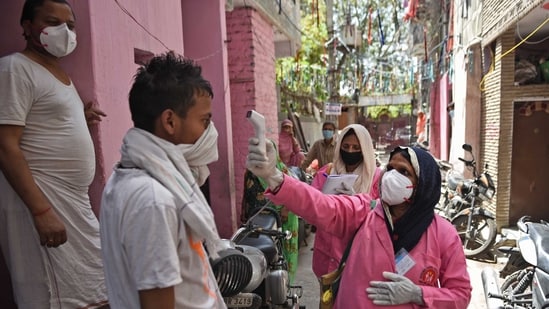
Almost 70% of community health workers are women who work at risk of contracting diseases themselves to deliver care. Yet, this labour is rarely acknowledged or paid adequately. They manage the household mosquito control that functions as informal public-health work, while men mostly retain control over health spending and treatment decisions.
Also Read | India's rising burden of lifestyle diseases is affecting kidney health
Women carry biological risk in an amplified measure. Dengue during pregnancy triples the risk of maternal mortality, while malaria poses additional risks during pregnancy. Women bear a greater burden of water- and vector-borne diseases than men, evident through higher disability-adjusted life years (DALYs) lost. Close to two-thirds of India’s female agricultural workforce face heightened mosquito exposure simply by going to work. But not going to work even for a few days can have a disastrous impact on household income.
In this context, the recent regulatory approval for India’s first dengue vaccine matters well beyond the clinic. Every case of dengue prevented is also a caregiving burden prevented, a wage not lost, a school day not missed by a daughter pulled in to help at home. A vaccine adds a durable layer of prevention that vector control alone cannot guarantee, and it does so at the exact point where health policy and gender equity meet. It is a quiet but concrete step toward closing the caregiving gap that dengue and malaria have imposed on Indian women.
{{/usCountry}}In this context, the recent regulatory approval for India’s first dengue vaccine matters well beyond the clinic. Every case of dengue prevented is also a caregiving burden prevented, a wage not lost, a school day not missed by a daughter pulled in to help at home. A vaccine adds a durable layer of prevention that vector control alone cannot guarantee, and it does so at the exact point where health policy and gender equity meet. It is a quiet but concrete step toward closing the caregiving gap that dengue and malaria have imposed on Indian women.
{{/usCountry}}“Vector-borne diseases are not gender-neutral. Women face a dual burden as caregivers, frontline health workers and are disproportionately affected at the community level as they are at risk themselves. This fact goes unrecognised and their contribution is rarely acknowledged. Effective prevention and control strategies must acknowledge these realities and place gender equity at the centre of public health action,” says Dr Neeraj Dhingra, former director, Nation Centre for Vector Borne Disease Control.
Disease outbreaks deepen existing inequalities. Prevention is, therefore, both a health and gender-equity strategy. Dr NK Ganguly, former director general, Indian Council of Medical Research, says, “Malaria in pregnancy remains a leading cause of illness and death for mothers and their children.
Also Read | When preventive health check-ups do more harm
Paediatric dengue can be particularly fatal, and watching a child fight it takes a devastating toll on a mother’s mental health. Yet women are often the last to receive treatment and primary health care and remain particularly vulnerable to the stigma these conditions carry. Ensuring that the vaccine reaches these women and their children must be the next priority.”
Policy responses should strengthen vector control and other public-health interventions while complementing them with preventive strategies, including vaccines.
The views expressed are personal