It is one of the tragedies of our times that a Government goes to court and claims that the people of its country do not have a right to privacy. It is reason for optimism that a court dedicates the time of nine of its judges to tell the government that they have got it wrong.
That the right to privacy is fundamental is now established beyond doubt.
The judges have said it quite unequivocally that privacy is a natural right, and not something that the government can give or take away, as its mood takes it.
It cannot be forgotten that the attorney general argued for the Government that not only do we not have the right to privacy, but we do not have right over our bodies either.
There are some interesting opportunities that the court has created for itself in this decision. One, it has overruled the eternally embarrassing decision that was handed down in 1976 in the habeas corpus case during the emergency. That decision suspended the right to life and personal liberty, with four of the five judges on the bench finding power in the state to take away life and liberty, and no court would interfere. Justice Khanna was the sole dissenting hero of those times. Two, the court has ripped into the Supreme Court’s decision in the section 377 case delivered in December 2013, and flayed the reasoning in that decision.
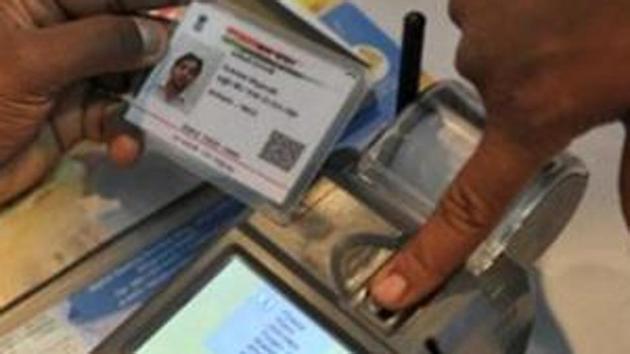
This judgment now finally brings the challenge to the UID project back to centre-stage, and the government will have to find answers for what the project is doing to people’s lives and liberties. It will have to answer how it made voluntary enrolment so coercive; how it violated court orders all these years; how exclusion has been hitting people and preventing them from getting their food entitlements because their fingerprints do not work - and that is because biometrics was untested technology even to start with; why our personal sensitive information has been handed over to foreign companies with close links with the CIA, US Homeland Security and the French government; about mass surveillance through putting the number in every database; about the emergence of data as the new oil, and the disappearance of basic norms of consent and autonomy. And so on.
{{/usCountry}}This judgment now finally brings the challenge to the UID project back to centre-stage, and the government will have to find answers for what the project is doing to people’s lives and liberties. It will have to answer how it made voluntary enrolment so coercive; how it violated court orders all these years; how exclusion has been hitting people and preventing them from getting their food entitlements because their fingerprints do not work - and that is because biometrics was untested technology even to start with; why our personal sensitive information has been handed over to foreign companies with close links with the CIA, US Homeland Security and the French government; about mass surveillance through putting the number in every database; about the emergence of data as the new oil, and the disappearance of basic norms of consent and autonomy. And so on.
{{/usCountry}}It is significant that when the government was arguing in the UID case that there is no fundamental right to privacy, they were not saying that in other cases that were being heard in the Supreme Court at the same time. There was, for instance, a challenge to the criminal law on defamation, where petitioners were asking for that provision be removed from criminal law for a range of reasons. The government pleaded there that the people of this country have a fundamental right to privacy, and the government has an interest in protecting that interest, for which it needed that defamation continue as an offence in criminal law. Why then the exception only in relation to the UID? Why does the government fear that the right to privacy cannot co-exist with what it is doing in the UID project? We will find out, I presume, as the UID case hearings get underway.
Usha Ramanathan is an independent law researcher
The views expressed are personal