
 E-Paper



Drawing a clear line on parliamentary privilege
Parliamentary privilege must be balanced with the need to combat corrupt behaviour.

 Prefer HTon Google


Parliamentary privilege is a fundamental aspect of legislative independence, providing immunity to members of Parliament and state legislatures to enable them to perform their duties without external pressure. But in the face of accusations of wrongdoing or corruption that jeopardise the credibility of democratic institutions, this privilege cannot be unqualified. The seven-judge Supreme Court bench verdict on Monday delineates this boundary, overturning a 1998 ruling by a smaller bench that allowed lawmakers to go scot-free after receiving bribes for casting votes or making speeches on the floor of the House.
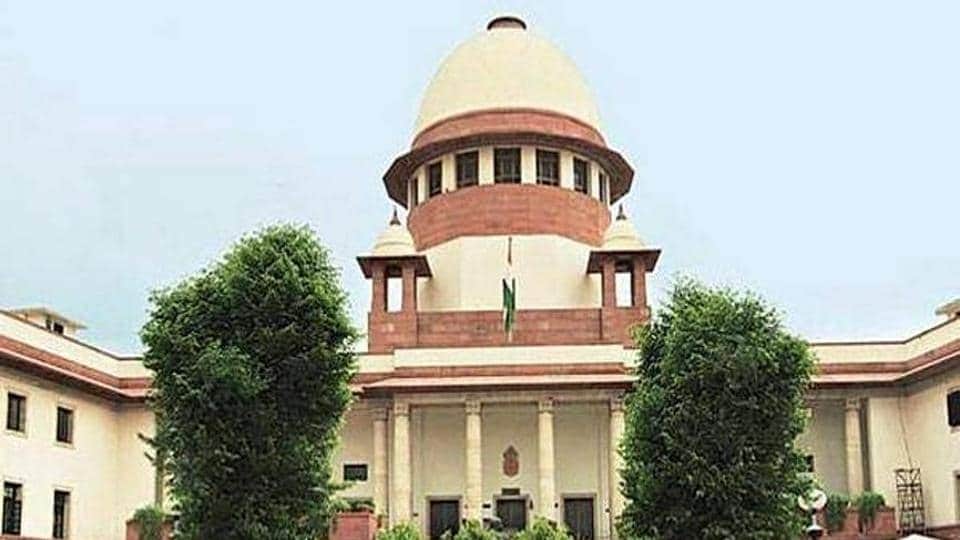
Emphasising that corruption and bribery cannot be countenanced because they erode the foundation of Indian parliamentary democracy, the Supreme Court verdict provides clear interpretations of the constitutional provisions pertaining to the immunity of lawmakers, juxtaposing this with the real objective of the pertinent provisions.
The judgment describes in detail what parliamentary privilege is and is not, given the freedom of speech and constitutionally mandated immunity from prosecution. At the same time, it sets limits and identifies certain circumstances under which parliamentary privilege cannot provide immunity, particularly in cases involving allegations of corruption and bribery against the lawmakers for casting their votes or delivering speeches in the House.
The seven-judge bench remained emphatic that the exercise of the privileges individually by the members of Parliament and state assemblies under Articles 105 and 194 must be tested on the anvil of whether it is intrinsically connected to the healthy and essential functioning of the House. Mandating the two-fold test, the Court said the privilege claimed must be tethered to the collective functioning of the House and it must also bear a functional relationship to the discharge of the essential duties of a legislator. Article 105(2) lays down that no member of Parliament shall be liable to any proceedings in any court in respect of anything said or any vote given by him/her in Parliament or any committee thereof. A corresponding provision giving immunity to members of state legislatures is contained under Article 194(2).
The Court stated that the immunity provisions were inserted by the Constitution to foster an environment free from fear or favouritism which would prevent debate, deliberations, and the exchange of ideas within Parliament and state legislatures. Lawmakers are entitled to speak before the House or any committee, and they must do so without fear or favouritism, it underlined while highlighting that the very aspect of free will is taken away when a lawmaker accepts a bribe. According to the bench, bribery cannot be protected by the immunity provisions of the Constitution because a member engaging in bribery commits a crime that is not necessary to cast a vote or determine how the vote should be cast.
The seven-judge bench also underscores how corruption undermines the integrity of democratic institutions by eroding public trust and confidence in the political process. “Corruption and bribery of members of the legislature erode the foundation of Indian parliamentary democracy. It is destructive of the aspiration and deliberative ideals of the Constitution and creates a polity which deprives citizens of a responsible, responsive and representative democracy,” it said.
Prosecuting corrupt lawmakers helps restore and preserve the integrity of legislative bodies, ensuring that they serve the interests of the people rather than those of corrupt individuals or special interests. The verdict establishes clear guidelines and procedures for investigating allegations of corruption against MPs and MLAs, ensuring these processes respect the principles of parliamentary immunity while upholding accountability. In applying the principles of proportionality to adjudge whether the benefits of protecting parliamentary functions outweigh the harms of shielding corrupt practices, the Court was unequivocal that privileges and immunity belong to the House collectively and that they must be exercised only to further the principles of a responsible legislature.
The judgment acknowledges the judiciary’s crucial role in interpreting the Constitution and laws regarding parliamentary privilege and corruption in the face of the imperative need to cleanse politics and impose accountability on people’s representatives. It aims to foster an understanding of the ethical responsibilities of MPs and MLAs and promote a culture of integrity within the legislature because the importance of accountability in democratic institutions cannot be overstated. Acting as a guardian of public interest to ensure that legislative immunity is not used to evade accountability, the apex court reversed the 1998 ruling in the PV Narasimha Rao case, stating there is grave danger of this Court allowing an error to be perpetuated if the decision were not reconsidered.
The Supreme Court judgment highlights the balance between the rights afforded to parliamentarians through privilege and their duties towards the public, including the duty to maintain integrity and avoid corruption.
Parliamentary privilege must be balanced with the need to combat corrupt behaviour. This requires a multifaceted approach that includes legal frameworks, judicial oversight, mechanisms for accountability, transparency, and a culture of integrity. By carefully navigating these aspects, the judgment affirms the integrity of parliamentary processes while ensuring that legislators are held accountable for their actions, maintaining public trust in democratic institutions. The judgment balances the need for parliamentary privilege with the imperative to combat the malaise of bribery and corruption, setting a legal precedent that will serve as a guideline in disputes involving legislators in the future.
The onus is now on legislators to rise to the occasion and abide by their solemn commitment to act without favour so that the legislative body remains a respected and legitimate institution, capable of addressing the needs and challenges of society in a just and equitable manner.
The views expressed are personal



