On March 24, 2015, a Germanwings Airbus flight 9525 took off from Barcelona, Spain. It was carrying 144 passengers and six crew members. Thirty minutes later, as it was flying over the snow-capped French Alps everything looked fine. The plane was cruising at its usual altitude when it nosedived and before the shocked passengers could understand anything, it crashed into one of the mountains. All 150 on were killed in the crash.
The aviation world went into a tizzy. An investigation was launched immediately. What the Bureau of Inquiry and Analysis for Civil Aviation Safety (BEA) investigators found was chilling: the 27-year-old co-pilot, Andreas Lubitz, crashed the plane willingly. He was suffering from depression for a long time. When the captain went to the washroom during the flight, Lubitz bolted the cockpit door from inside. Then, he took control of the plane and turned it downwards and accelerated. The cockpit voice recorder suggested that the captain tried hard to open the cockpit door but failed. His efforts went in vain resulting in terrible tragedy.
Those unaware should know that after the 9/11 terror attack, cockpit doors were reconfigured so that they couldn’t be opened from outside.
After the incident, aviation authorities in India and the world made presence of two people in the cockpit mandatory. If any one of the two — the captain or the co-pilot — steps out of the cockpit for some reason, a flight attendant must take their place till they return. But every system or protocol fails to anticipate a possible breach. We mistake the calm between two tragedies as operational efficiency and peak professionalism.
{{/usCountry}}After the incident, aviation authorities in India and the world made presence of two people in the cockpit mandatory. If any one of the two — the captain or the co-pilot — steps out of the cockpit for some reason, a flight attendant must take their place till they return. But every system or protocol fails to anticipate a possible breach. We mistake the calm between two tragedies as operational efficiency and peak professionalism.
{{/usCountry}}Without looking far, let’s take the recent case from India.
The crash last year in June involving a Boeing 787 Dreamliner from Air India’s fleet, moments after the plane took off from Ahmedabad airport, killed 260 people. Initial investigations revealed that the fuel switches were shut. Whether they switched off automatically or a pilot was responsible wasn’t clear. Boeing conducted its own investigations and gave the plane a clean chit. They didn’t name anyone but the indication was clear: Either one of the two people in the cockpit was responsible for the crash or it was sabotage. It’s a different story that till now Indian authorities haven’t said any such thing.
People should know Boeing investigates every crash anywhere in the world and most often doesn’t find any fault in their product. Every multinational company from Boeing to Union Carbide has the same tendency.
After the Ahmedabad crash, debate raged on the critical switch design, pilots’ regular training, and mandatory mental checkups. But some lessons slipped from our collective consciousness that shouldn’t have. The FZ-1073 flight from Dubai to Tel Aviv is a glaring example of that slip.
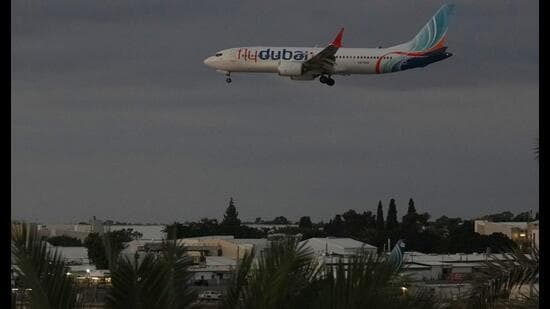
It is alleged that the Omani pilot attacked and grievously wounded Indian pilot Smit Machchhar with a type of axe. Showing exemplary courage, Machchhar not only tried to stop the attacker but was also able to open the door. The plane was descending quickly, yet the shocked passengers held their nerves. They overpowered the Omani pilot. Later, the plane safely landed at the Saudi airport at Tabuk. Weren’t you left asking where did the protocols put in place after the 2015 incident vanish? Why weren’t the Omani pilot’s antecedents checked — their scheduled checkups done and regular visits to psychologists for mental health checks organised? Is the lapse what global airlines and regulators learnt after so many lives have been lost, from the French Alps to Ahmedabad?
It’s good that pilot Machchhar is receiving global praise. Israel wants to give him their highest honour. Murmurs have started in India to award him Ashok Chakra. Sure, he will get many honours within the country and globally, but do we know what he endured in those terrifying moments? Only those who have put their lives on the line to save others can appreciate it. As a stoic hero, what he thought of his act became clear from a phone conversation with Prime Minister Narendra Modi when he said he was determined not to let any passenger die.
It’s clear that the blessings and good wishes of all the 174 passengers of flight FZ-1073 will remain with him for life. This is his true earning.
Omani authorities have identified the attacker as their citizen. Details of his birth, education, his friend circle and the motive for such an act are not clear. Whether he’s associated with a terror outfit isn’t clear either. However, a US daily has claimed that the attacker’s name is Hamam Al- Hammami and he was banned in Oman for his extremist views. Is it a coincidence that Germanwings pilot Lubitz was also able to hide his depression and no-fly recommendations from the authorities? A repeat by Hammami shows that the aviation authorities are beset by outdated thinking in the age of modern communications.
Are fliers guinea pigs for aviation authorities? For how long will we keep flying on a wing and a prayer?
This incident has once again proved that the threat to airplanes is present in the cockpits too. Not only planes, helicopters, with their payload of tons of fuel, can become a deadly weapon over densely populated areas. It’s clear that new, effective norms for fliers and pilots can’t be ignored any longer.
We will also need to have a serious global discourse on hate mongering, which is now afflicting the educated elite. The Omani pilot is its latest example.
Shashi Shekhar is editor-in-chief, Hindustan. The views expressed are personal