We are lost for names and adjectives, as an exceptionally strong El Niño evolves in the Pacific Ocean.
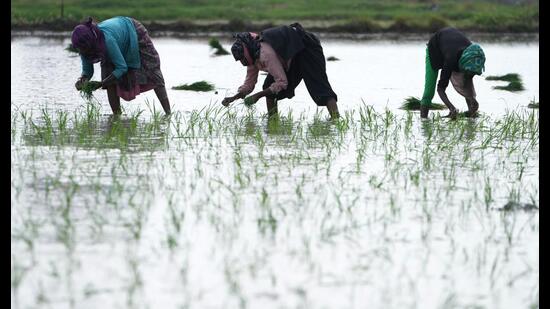
The Pacific Ocean usually goes through a cycle of warm and cool phases every few years. An El Niño is its warm phase and a La Niña is its cool phase. When a large part of the ocean warms, it changes where clouds form and rain falls. The changes reach far beyond the Pacific, altering the chances of drought or heavy rain in different parts of the world. In India, El Niño often weakens the summer monsoon.
So, what is special about this year? Many earlier El Niños peaked with central Pacific waters about 1°C warmer than usual. Several in recent decades have exceeded 2°C. The current El Niño, however, has already exceeded earlier observed peaks. Forecasts indicate that the central Pacific could be nearly 4°C warmer than usual by November or December, when El Niño usually peaks.
And why does this matter now? Human-caused global warming has heated up our oceans, which absorb over 90% of the excess heat trapped by greenhouse gases. El Niño releases some of that extra ocean heat into the atmosphere, and the effect often lasts for months after the event peaks. Meteorological agencies predict that 2027 will be the warmest year on record, as a result of unabated global warming and an exceptionally strong El Niño. This means that the coming seasons may unfold in a world unlike any in the past several thousand years.
The southwest monsoon closed with a 13% rainfall deficit. Punjab, Bihar, Karnataka, Maharashtra, and the northeastern states recorded stark rainfall deficits. Meanwhile, Odisha received 30% more than usual. Bihar and Assam experienced severe floods in a monsoon that remains markedly deficient overall.
{{/usCountry}}The southwest monsoon closed with a 13% rainfall deficit. Punjab, Bihar, Karnataka, Maharashtra, and the northeastern states recorded stark rainfall deficits. Meanwhile, Odisha received 30% more than usual. Bihar and Assam experienced severe floods in a monsoon that remains markedly deficient overall.
{{/usCountry}}The effects could creep into coming seasons through crops, water, heat, food prices, forests, and seas. In parts of Maharashtra, soybean farmers have already had to contend with long dry spells. A late shower cannot save a crop that lost moisture at a critical stage, and rain at harvest can cause fresh damage. The winter (rabi) crops that follow, including wheat, chickpea, and mustard, will depend on the moisture left in the ground and the water available for irrigation.
The economic costs begin before a harvest is counted. Less fodder raises the cost of keeping livestock. More pumping for water means more spending on electricity or diesel. A smaller harvest reduces farm income and spending in local shops, while shortages of particular foods can raise prices in towns and cities. A household may face dearer pulses or vegetables even when the national foodgrain total looks reassuring.
In August, the Reserve Bank of India flagged El Niño and uneven rainfall as risks to agriculture and inflation. It projected consumer inflation at 5% for 2026-27 and pointed to grain stocks and timely supply management as buffers. In the El Niño drought of 2009, the monsoon was 22% below normal. Foodgrain production fell by 17 million tonnes and wholesale food inflation reached 20% in December 2009. The drought was not the only cause, as bottlenecks in the supply of essential commodities also mattered.
India in 2026 has more ways to respond than it did in 2009. Irrigation covers about 56% of the gross cropped area. Grain stocks, food security law, crop insurance, farm credit and better forecasts give governments more options. Decisions about water, crops and food supply can address shortages before they appear in an inflation reading. These tools need to reach farmers and districts whose losses do not show up in national totals.
October-December brings the northeast monsoon, the main rainy season for Tamil Nadu and parts of the southeast coast. El Niño can bring more rain there, sometimes in intense spells. A state dealing with water shortage after the summer monsoon may also need to prepare for floods.
In the north, the coming winter brings a different risk. A CEEW analysis found slightly weaker winds over Delhi during El Niño than La Niña winters, which can make pollution harder to disperse. If kharif harvesting is delayed, the time before rabi sowing becomes even tighter, adding pressure to burn crop residue. Farmers need timely help to manage residue, while cities must cut local emissions.
The water that remains after winter will matter in the summer heat. If soils, reservoirs and aquifers enter the pre-monsoon months with less water, heat will place additional demands on people, crops and electricity. Health departments can prepare clinics for heat illness and identify older people and patients with heart or kidney disease who may need help early. Cities can provide drinking water and public cooling spaces, and keep electricity reliable during the hottest spells.
The Indian Ocean can remain unusually warm after the Pacific El Niño begins to fade, influencing weather into the following year. Marine heatwaves may put coral reefs around Lakshadweep and the Andaman and Nicobar Islands under stress. Changes in the sea can affect where fish are found and how far boats must go to catch them.
In September, we were among 188 researchers who called on India’s ecologists to follow this El Niño through forests, grasslands, rivers, wetlands and reefs. The point is not only to observe what changes, but also to protect what is already under strain. Preparation for fires in dry forests, care for freshwater habitats and rapid checks on reefs are practical tasks for the coming months. A forecast can be useful to ecosystems as well as farms, if the work begins before the damage is obvious.
Before winter sowing, districts can put actual reservoir storage, groundwater conditions, crop stages and likely drinking-water needs on one public map. Crop-loss assessments, credit and insurance support can reach farmers before they take on debt for another season. The aim is to act on evidence that already exists, before the price index or the next dry well spells out the damage.
Roxy Mathew Koll is a climate scientist at the Indian Institute of Tropical Meteorology, lead author of recent IPCC reports, and scientific advisor to the Council on Energy, Environment and Water (CEEW). Mohammad Rafiuddin is programme lead at CEEW. The views expressed are personal