While enjoying your morning cup of coffee or tea, have you wondered why plants make caffeine in the first place? It’s a question worth pondering. It may seem that plants make caffeine for our benefit, but that human-centric view is not entirely accurate. Humans have developed a taste for caffeine in its myriad forms over a few 1,000 years, while caffeine-producing plants are estimated to have been making this psychoactive compound for millions of years. We may have selected certain
While enjoying your morning cup of coffee or tea, have you wondered why plants make caffeine in the first place? It’s a question worth pondering. It may seem that plants make caffeine for our benefit, but that human-centric view is not entirely accurate. Humans have developed a taste for caffeine in its myriad forms over a few 1,000 years, while caffeine-producing plants are estimated to have been making this psychoactive compound for millions of years. We may have selected certain plants for the caffeine-induced buzz and spread them around the world, but plants were making it way before baristas figured out how to make espressos.
What good is caffeine to the plants that bother to make it? After all, it isn’t made by every plant. Nor is it essential to green plants in the same way that chlorophyll — which is needed to make food — is. But plants that are naturally separated by great distances have separately figured out how to make caffeine.
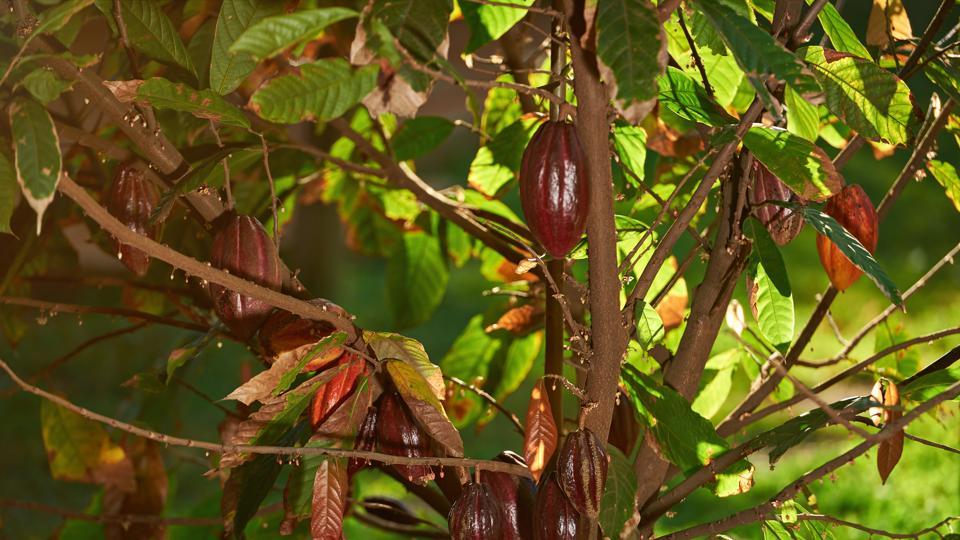
Plants that are not closely related to one another — tea, cacao, and coffee, for example — all make caffeine. Caffeine is also found in very low levels in the nectar (but not in fruits) in many plants. It may even surprise you to hear that citrus plants such as oranges, lemons, and grapefruits also make it.
And all of these plants have not only figured out how to make caffeine, but they kept making it, arguing that it isn’t a biological fluke, and that caffeine is useful to them. But the answer to the question of why plants make caffeine is complex and has a bit to do with how much caffeine each plant makes.
In some caffeine-making plants, leaves can act as a herbicide when they fall to the ground. For example, the caffeine in coffee leaves makes it more difficult for other plants to grow. This makes caffeine advantageous to the plants that make it and harmful to those in the vicinity that don’t.
That’s not the only effect of caffeine in a plant’s natural environment. Alkaloids like caffeine have many effects on animals and can impact small insects. At high doses, caffeine has a bitter taste. The bitter taste is associated with toxins and animals are repelled by it. Flies have taste receptors that detect caffeine and know which caffeine-producing plants to avoid. So, at high doses, caffeine production is beneficial to plants that make it because it protects them from insects.
Even in humans, a preference for bitter taste is acquired and not universally shared. That is why few children like dark chocolate or bitter melon, even though they may grow up to later to cherish these food items.
But more recent research has revealed that some pollinators like honeybees and bumblebees can get buzzed by caffeine much in the same way that people do when they drink caffeinated beverages. Bees are some of nature’s most efficient pollinators. By making caffeine, plants attract pollinators that can help them to spread.
A research paper published in the scientific journal Science in 2013 found that a low dose of caffeine in coffee and citrus flowers helped bees remember the scent of flowers better, and they were likely to come back to replenish their buzz. What scientists think is that at the amounts found in nectar, these bees are unlikely to be actually tasting caffeine. At much higher amounts, however, bees are repelled by its bitter taste (and it is toxic to them just as it is to other insects).
And just last year, a paper published in the scientific journal Current Biology found that inexperienced bumblebees become mentally sharper at finding food sources if they had earlier been given nectar with caffeine. This was an important study because it showed that these bees are drawn to caffeine not just because they’re addicted to it, but that it also makes them smarter. The researchers also found that this effect of caffeine wears off over time.
These are all incredible discoveries to someone like me who has to have a few cups of coffee every day to remain sharp. Caffeine is a single psychoactive compound that we enjoy in our brews and can have a host of different benefits to the plants that make it.
Anirban Mahapatra, a scientist by training, is the author of COVID-19: Separating Fact From Fiction
The views expressed are personal
One Subscription.
Get 360° coverage—from daily headlines
to 100 year archives.
Archives
HT App & Website