
For decades, the language of cancer treatment has centered on attacking and destroying the disease: Excise it out with surgery, burn it with radiation, poison it with chemotherapy. These treatments still remain essential and lifesaving. But over the past decade, another idea has changed oncology: What if the body already has soldiers capable of fighting cancer, but the tumour has managed to silence, exhaust, confuse, or even bribe them?
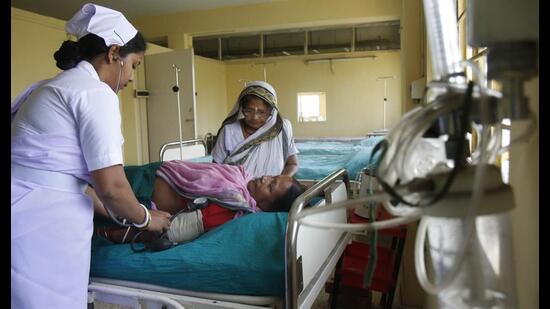
Deploying those soldiers is what cancer immunotherapy is all about.
Our immune system patrols the body every day, looking for infections, damaged cells, and abnormal cells that could become cancer. Most of this happens quietly, without drama. Cancer becomes dangerous because it learns to hide from the immune system. It builds a protective neighbourhood around itself. It confuses immune cells. It exhausts them. It presses molecular “brakes” that tell T-cells — the backbone of our adaptive immune system — not to attack.
T-cells are, of course, the immune system’s specialised cancer fighters. But T-cells are not meant to be reckless. They come with brakes such as PD-1, PD-L1 and CTLA-4 — key proteins that normally prevent the immune system from attacking healthy organs. Cancer’s trick is to hijack these brakes and convince T-cells to leave it alone. Immune checkpoint inhibitors release those brakes. This very idea has revolutionised cancer care. We began to see something once considered rare in advanced cancer: durable responses lasting years, and in some patients, the possibility of cure by targeting the immune checkpoints. Sometimes one drug is enough; that is monotherapy. Sometimes cancer has built several escape routes, and we need combination therapy: one immunotherapy drug paired with another, or with chemotherapy, radiation, targeted treatment, or surgery.
When immunotherapy works, it can be extraordinary. I have seen patients with metastatic cancer, once facing very limited options, respond so deeply to immunotherapy that years later, they are back to living normal lives. As oncologists, we use the word “cure” carefully, especially in advanced cancer. But when a patient remains cancer-free for years and begins worrying again about ordinary things in life, we know that medicine has achieved something profound.
{{/usCountry}}When immunotherapy works, it can be extraordinary. I have seen patients with metastatic cancer, once facing very limited options, respond so deeply to immunotherapy that years later, they are back to living normal lives. As oncologists, we use the word “cure” carefully, especially in advanced cancer. But when a patient remains cancer-free for years and begins worrying again about ordinary things in life, we know that medicine has achieved something profound.
{{/usCountry}}One of my patients with advanced stage IV kidney cancer had a remarkable response to immunotherapy. The cancer became undetectable. But the immune system, once awakened, also attacked his heart, causing myocarditis, a rare but serious side effect. We treated the complication aggressively. He recovered. His cancer stayed away for years without any additional treatment. He now jokes with me, “Dr G, you broke my heart but cured my cancer.”
It is a funny line, but it captures the truth of immunotherapy: It is the careful redirection of one of the most powerful systems in the human body. When guided well, it can change a patient’s destiny. When it misfires, it can inflame different organs including the lungs, liver, gut, glands, skin or heart.
So, the real question is not simply about giving immunotherapy. The better question is: Who truly needs it, who is likely to benefit, and how do we make it safe and affordable?
And this is where India must pay attention. India is facing a growing cancer burden. Yet the promise of immunotherapy reaches only a small fraction of patients. In reality, probably less than 10% of Indian patients who may be eligible to get immunotherapy actually receive these medicines. Most of the time, the barrier is not medical toxicity, but financial toxicity. A breakthrough that may change the future of cancer care is still not accessible to all patients. How should India think about this?
We must use immunotherapy wisely. Not every patient needs it. Better patient selection can prevent both waste and harm. This requires rational clinical judgment and continued investment in research. Additionally, we must train health care systems to recognise and manage immune-related side effects early. Patients need access not only to the drug, but also to doctors and hospitals that understand its complications.
Importantly, cost must become part of the scientific conversation. Dose optimisation, biosimilars, domestic manufacturing, public-private partnerships, insurance coverage, and government negotiation are critical to make life-saving medicines such as immunotherapy accessible to all patients.
Cancer can hide, but it can also be exposed. Some patients, even with advanced disease, can regain years they were once told not to expect. And sometimes, if we are lucky, they return to clinic smiling and say, “You broke my heart, but cured my cancer.”
As a doctor, I can live with that joke. In fact, I cherish it.
Sangeeta Goswami is associate professor, Department of GU Medical Oncology and Immunology, and member of the James P Allison Institute, University of Texas MD Anderson Cancer Center, Houston, USA. The views expressed are personal