
 E-Paper



Photos: Qawwali fights to be heard in Pakistan after Amjad Sabri’s death
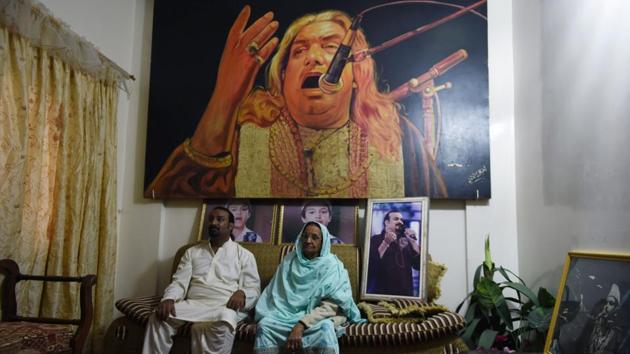
Nearly two years after Pakistan's premier qawwali singer Amjad Sabri was gunned down in broad daylight in Karachi, fresh fears emerge about the future of the Sufi musical genre, as it struggles to maintain relevance in a fast-changing country. The rise of more globalised interpretations of Islam has chipped away at qawwali's popularity, as Pakistan increasingly looks to the Middle East for guidance. Decreasing economic viability, changing tastes in music among younger generations and the looming threat of violence from extremists all appear to be expediting the art form’s decline.
Updated on: Apr 29, 2018 4:07 PM IST

Share via


Copy link

1/9
 View Photos in a new improved layout
Updated on Apr 29, 2018 4:07 PM
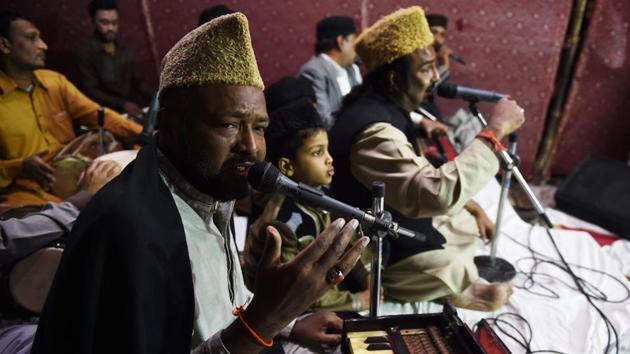
Pakistani Qawwali singers Azmat Sabri (L) and his brother Talha Sabri (R) perform with their group during an event in Karachi. Nearly two years after Pakistan’s foremost qawwali singer Amjad Sabri was gunned down in Karachi, the devotional music of Islam’s Sufi mystical sect struggles to survive, as fears of sectarianism and modern pressures slowly drown out its powerfully hypnotic strains. (Asif Hassan / AFP)
2/9
 View Photos in a new improved layout
Updated on Apr 29, 2018 4:07 PM
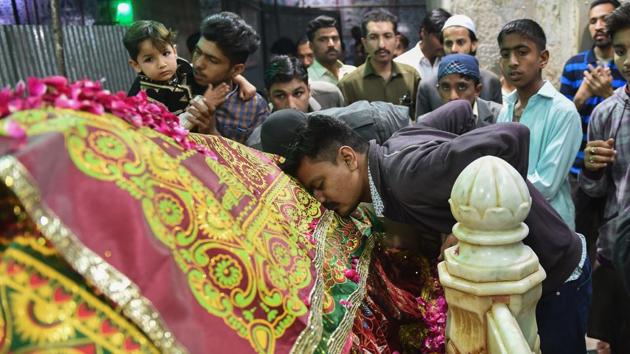
Devotees gather around the grave of Sufi Saint Abdullah Shah Ghazi at his Shrine in Karachi. Embraced widely as a part of Pakistan’s national identity, qawwali has played a key unifying role, with city-dwellers and villagers flocking to Sufi shrines for concerts. (Rizwan Tabassum / AFP)
3/9
 View Photos in a new improved layout
Updated on Apr 29, 2018 4:07 PM
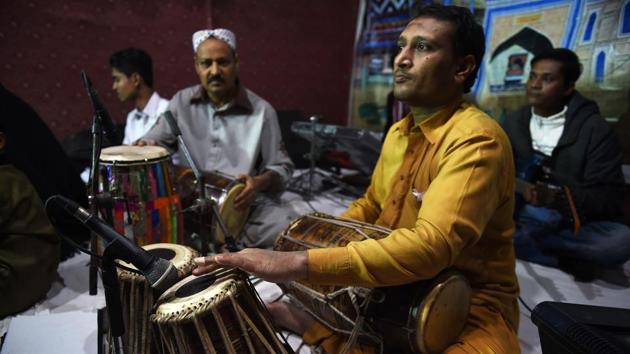
Performances traditionally last hours, with a troupe of musicians interweaving soulful improvisation under lyrical, lilting vocal lines to a steady beat of rhythms on dholak, tabla and hand clapping, sending fans drifting into trance-like transcendent states. (Asif Hassan / AFP)
4/9
 View Photos in a new improved layout
Updated on Apr 29, 2018 4:07 PM
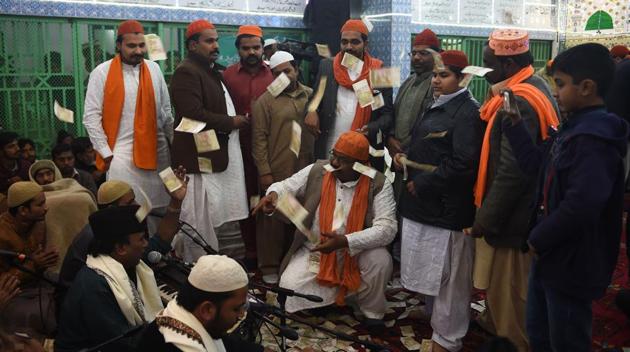
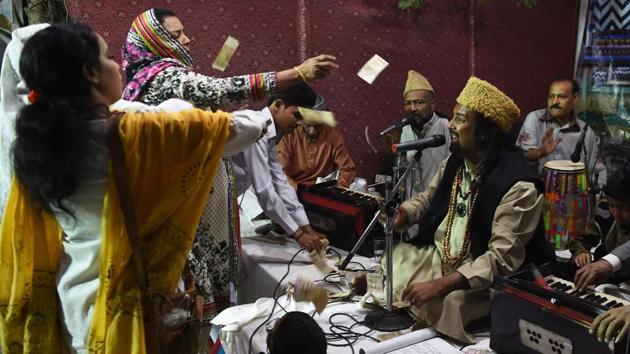
Devotees shower currency notes during a Qawwali performance at a shrine in Islamabad. The genre entered a golden age in the 1970s as singers known as qawwals battled for prestige, with the Sabri Brothers -- led by Amjad’s father, Ghulam Farid Sabri -- and Nusrat Fateh Ali Khan finding audiences around the world. (Farooq Naeem / AFP)
5/9
 View Photos in a new improved layout
Updated on Apr 29, 2018 4:07 PM
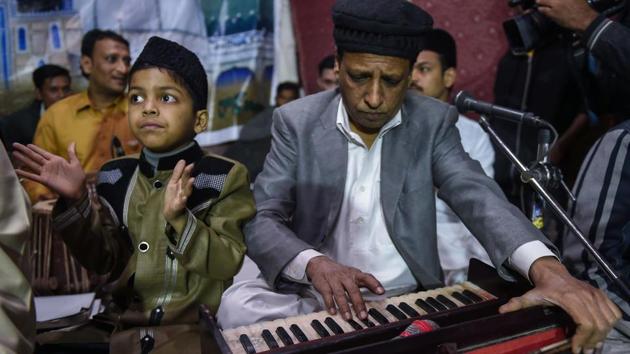
Following the death of Ghulam, Amjad took the helm and slowly carved out his place as Pakistan’s most prominent qawwal, becoming a fixture on national television and radio. But now musicians worry that his murder -- and the fear it sparked -- has hastened the decline of qawwali. (Asif Hassan / AFP)
6/9
 View Photos in a new improved layout
Updated on Apr 29, 2018 4:07 PM
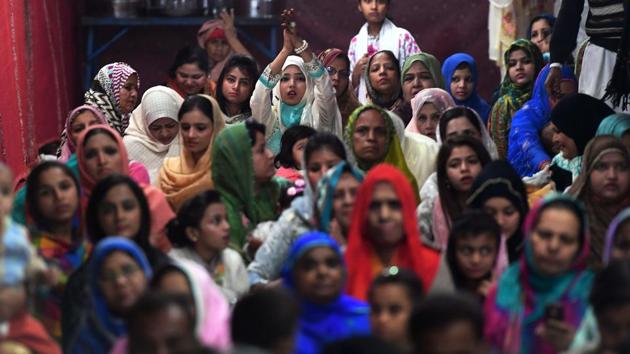
Devotees listen to the Sabri brothers during an event in Karachi. Sectarian militants have targeted Sufis for years. Just months after Sabri was killed, IS claimed back-to-back attacks on shrines in the provinces of Balochistan and Sindh that killed more than 100 people combined. Earlier this month, the military approved death sentences for two militants linked to Sabri’s killing. (Asif Hassan / AFP)
7/9
 View Photos in a new improved layout
Updated on Apr 29, 2018 4:07 PM
Qawwali singer Talha Sabri (C) performs with his group during an event in Karachi. Inflationary pressures have also kept the qawwals’ working-class fanbase from hosting shows. Increasingly only the middle class or elite can afford a qawwali group performing at parties or weddings. Singer Hashim Ali, says he is now lucky to play four or five shows during religious periods compared to dozens in the past. (Asif Hassan / AFP)
8/9
 View Photos in a new improved layout
Updated on Apr 29, 2018 4:07 PM
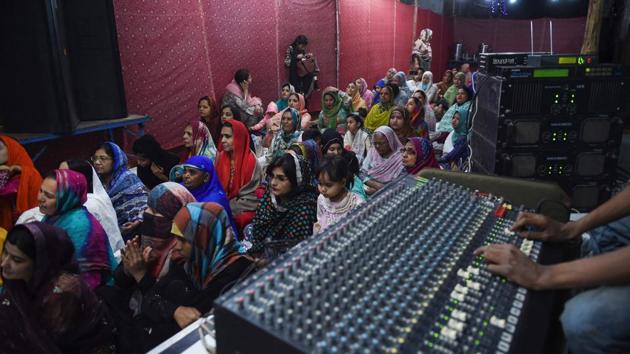
The pressure has compelled more qawwals to try their hand at fusion, or even branch into more financially viable genres such as pop. After 16 years playing by his brother’s side, Talha Sabri said he has struggled to find his place on stage until Amjad’s own sons are old enough to perform. (Asif Hassan / AFP)
9/9
 View Photos in a new improved layout
Updated on Apr 29, 2018 4:07 PM


