
 E-Paper



Photos: Delhi’s last elephants await marching orders out of the capital
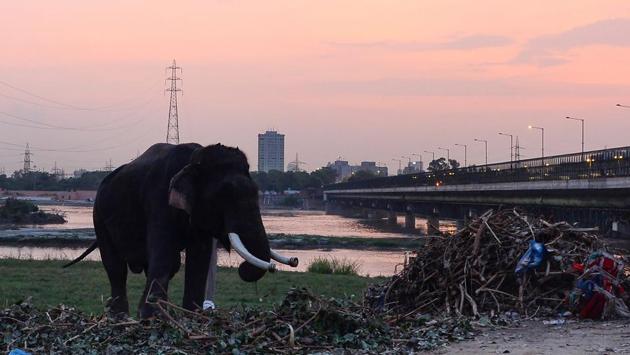
Fifty years ago Delhi housed more than 200 elephants, carrying grooms to weddings, or sought by the faithful for blessings at temples. But now the city -- overcome by cars, a population of 20 million -- is no longer a suitable home for Heera and his five bedraggled companions the last elephants to live there. After years of pressure from activists who say owners have been flouting wildlife regulations by keeping them in a city and exploiting them for commercial gains, authorities have ordered the seizure of the elephants with plans to move them to natural habitats.
Updated on: Sep 22, 2018 9:49 AM IST

Share via


Copy link

1/9
 View Photos in a new improved layout
Updated on Sep 22, 2018 9:49 AM
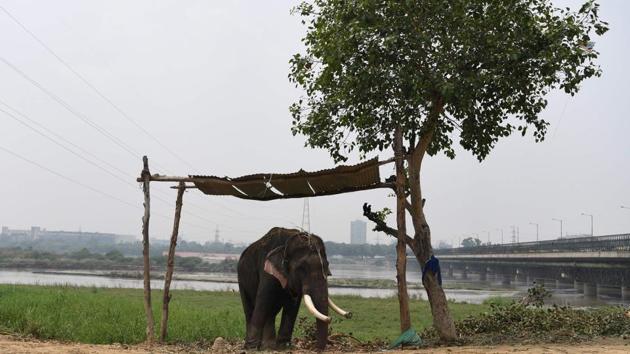
After years of pressure from activists who accuse their owners of flouting wildlife regulations by keeping them in a city, authorities have ordered the seizure of Delhi’s last six elephants. They plan to move Heera along with Dharamvati, Laxmi, Gangaram, Moti and Chandni -- out of the smoggy capital, but warn it could take months to find a new home for them. (Sajjad Hussain / AFP)
2/9
 View Photos in a new improved layout
Updated on Sep 22, 2018 9:49 AM
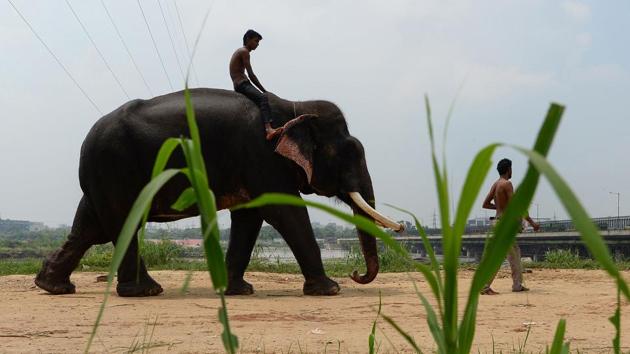
Mahouts with an elephant near the Yamuna River in New Delhi. “They are kept away from their natural habitat,” a senior Forest Department official said, highlighting “reports of insufficient food, water, shelter and veterinary care, all which could expose them to disease”. Media reports say authorities are struggling to relocate the elephants because four are sick. (Sajjad Hussain / AFP)
3/9
 View Photos in a new improved layout
Updated on Sep 22, 2018 9:49 AM
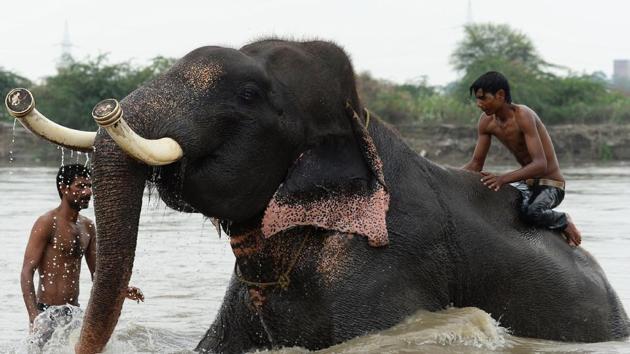
Mahouts bathe an elephant in the Yamuna. Fifty years ago Delhi housed more than 200 elephants, covered in garlands and carrying grooms to weddings, or being sought by the faithful for blessings at temples. But now the city -- overcome by cars, a population of 20 million and choking on pollution -- is no longer a suitable home, with Heera and his five companions the last elephants to live here. (Sajjad Hussain / AFP)
4/9
 View Photos in a new improved layout
Updated on Sep 22, 2018 9:49 AM
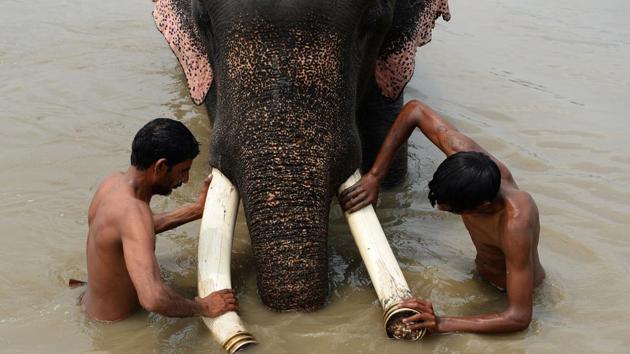
Officials hope to find a new home resembling the luxuriant farm belonging to consumer goods tycoon Vivek Chand Burman where a seventh, female street elephant was recently taken. She has her own mud pool and quarters complete with fans and sprinklers, a world away from her poorer relatives who wade in the polluted Yamuna. (Sajjad Hussain / AFP)
5/9
 View Photos in a new improved layout
Updated on Sep 22, 2018 9:49 AM
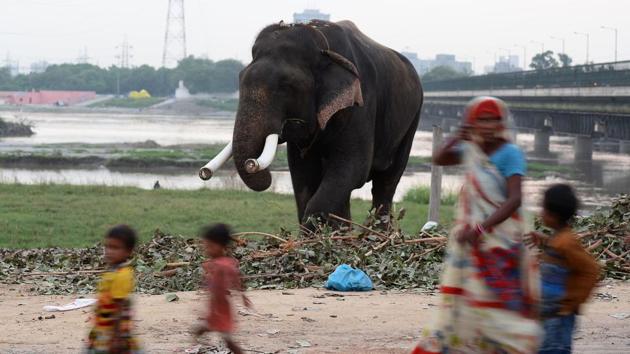
But while animal rights campaigners welcome the move, it is a difficult moment for their owners -- who deny any neglect. Mehboob Ali likened it to snatching a legacy passed on by his ancestors. “My family has been keeping elephants for six generations,” he said. “They are like our family and have been with us through thick and thin. We cannot live without each other.” (Sajjad Hussain / AFP)
6/9
 View Photos in a new improved layout
Updated on Sep 22, 2018 9:49 AM
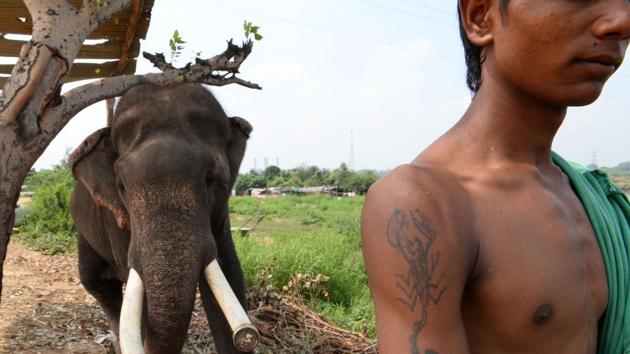
A mahout and his elephant on the banks of the Yamuna. Heera’s keeper Mukesh Yadav has been looking after elephants since he was a child. “I was so in love with elephants that I even decided not to marry. I felt that I must dedicate my life to the service of this holy animal,” he said. (Sajjad Hussain / AFP)
7/9
 View Photos in a new improved layout
Updated on Sep 22, 2018 9:49 AM
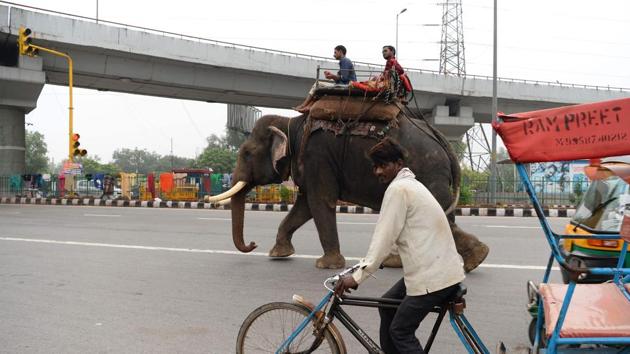
Yadav bemoaned the loss of traditions that once allowed elephant keepers like him to work freely across the country. “Earlier, people had a genuine fondness for these animals. A single village could have up to 20 elephants. We used to take a parade to graze in the fields and leave them to roam in the jungles... And now the government comes to us claiming that they are their property?” he said angrily. (Sajjad Hussain / AFP)
8/9
 View Photos in a new improved layout
Updated on Sep 22, 2018 9:49 AM
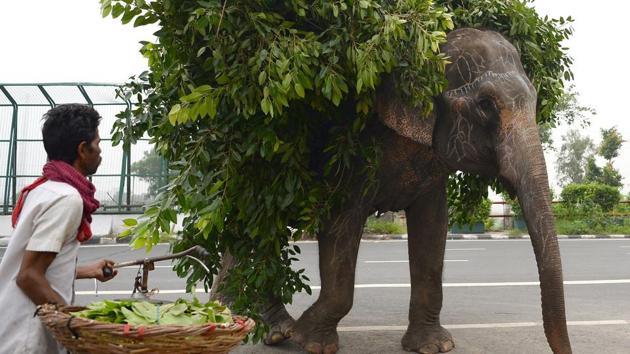
An elephant laden with vegetation walks on a road in New Delhi. Mehboob Ali is infuriated by constant inspections of his elephants, which he believes are being done under pressure from activists. He claimed that he has been harassed on several occasions by animal welfare groups. “They are behaving as if we have stolen these elephants whereas they belong to us,” he said. (Sajjad Hussain / AFP)
9/9
 View Photos in a new improved layout
Updated on Sep 22, 2018 9:49 AM


