
 E-Paper



Photos | How Gujarat’s Rani ki Vav found itself on the new hundred rupee note
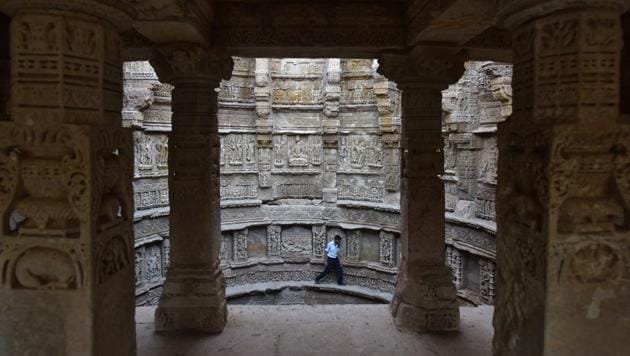
Rani Ki Vav, a stepwell in the small Gujarat town of Patan, was recognised as a UNESCO World Heritage Site in 2014 and now features on the new Rs 100 note, bringing joy to the locals. Measuring 64 metres in length and 27 metres in depth, it is a subterranean seven-storey structure which was built in the 11th century by queen Udayamati, the wife of King Bhimdeva I of the Solanki dynasty, in the memory of her husband after his death.
Updated on: Nov 19, 2018 5:19 PM IST

Share via


Copy link

1/8
 View Photos in a new improved layout
Updated on Nov 19, 2018 5:19 PM
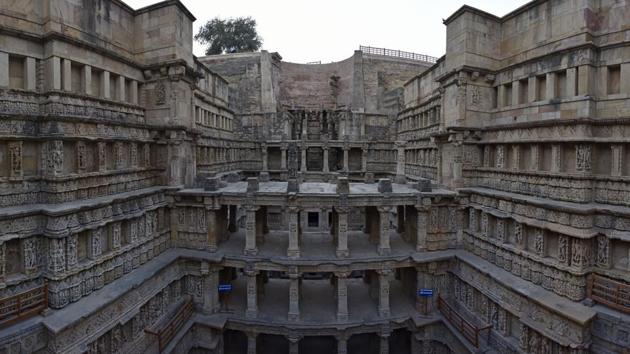
A view of Rani Ki Vav, a stepwell at Patan, Gujarat. Built in the 11th century, it was recognised as a UNESCO World Heritage Site in 2014. Measuring 64 metres in length and 27 metres in depth, it is a subterranean seven-storey structure, lavishly adorned with sculptures of gods, goddesses and other mythological and heavenly creatures that give it the look of a royal or divine abode. (Sanchit Khanna / HT Photo)
2/8
 View Photos in a new improved layout
Updated on Nov 19, 2018 5:19 PM
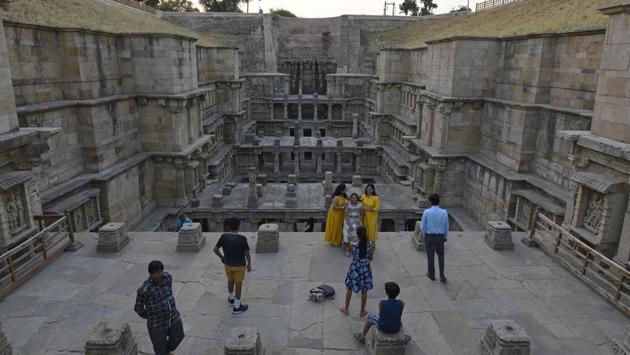
In the old town, where the Vav is, parts of the ramparts of what was once a fort are still visible. Locals believe the fort was built in one night by a spirit, Babra Bhoot, on the orders of one of the rulers of Patan. There are also ruins of old mansions, and giant darwazas or gates which once must have served as the entrance and exit points to and from the town. (Sanchit Khanna / HT Photo)
3/8
 View Photos in a new improved layout
Updated on Nov 19, 2018 5:19 PM
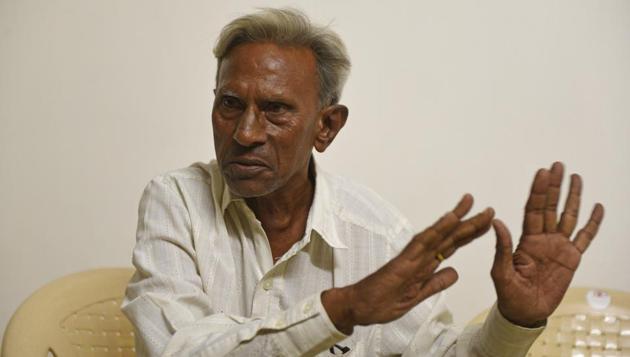
“As a child, I would come here with my family on Diwali to offer prasad of sweet rice at the well,” says 72-year-old Patan local, Jayantilal Chimanlal Otia. “This was much before the ASI started work here. The top of the well was all that was exposed. We would draw water from there and drink, because it was believed that it could cure children of severe coughs. But we had no idea that there was so much more buried below,” he added. (Sanchit Khanna / HT Photo)
4/8
 View Photos in a new improved layout
Updated on Nov 19, 2018 5:19 PM
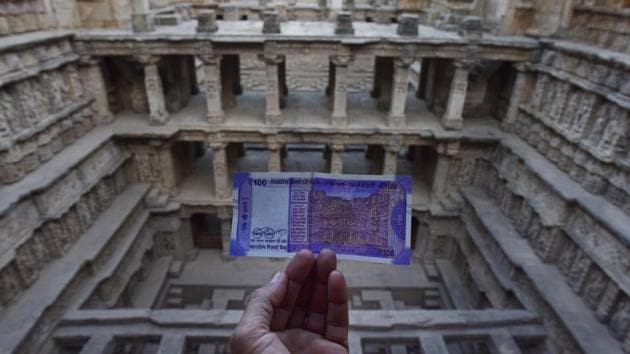
A photo of the new ₹100 note which has a motif of the 11th century stepwell on the reverse side. While the release of the new note was announced in July, it was only last month, in October, that it became easily available in the market The motif of the Vav on the note is a pale reflection of the majesty of the stepwell that had been lost for centuries beneath the sands of time. (Sanchit Khanna / HT Photo)
5/8
 View Photos in a new improved layout
Updated on Nov 19, 2018 5:19 PM
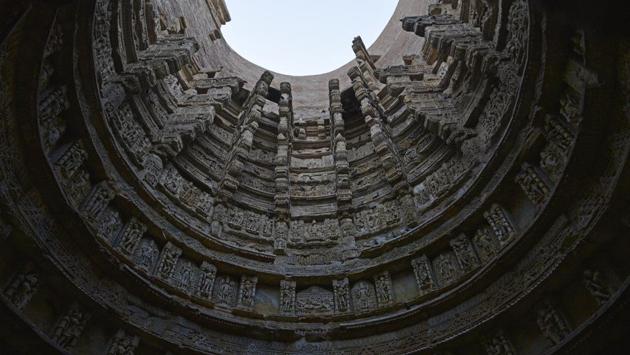
A view of intricately adorned wall of the stepwell. Vav was built by queen Udayamati, the wife of King Bhimdeva I of the Solanki dynasty, in the memory of her husband after his death. While popular history had always credited Udaymati for having built the Vav, Ravindra Singh Bisht, a retired ASI joint director-general, said historical research too has established her link with the stepwell. (Sanchit Khanna / HT Photo)
6/8
 View Photos in a new improved layout
Updated on Nov 19, 2018 5:19 PM
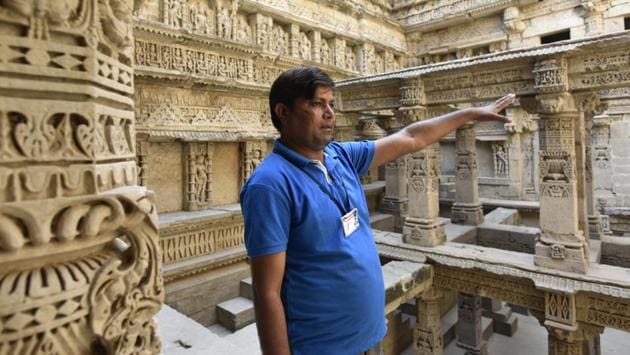
“Patan was once the capital of Gujarat. Vanraj Singh Chavda built Patan in AD 746,” said Jagdish Goswami, the lone guide at Rani Ki Vav. “The old name of the town was Anhilvad Patan. It is believed that Vanraj Singh had named the town after an animal herder, Anhil, who was probably his friend or had helped him in some way,” he added. The Chavdas were succeeded by the Solanki dynasty, whose reign is believed to have been the “golden age of Gujarat.” (Sanchit Khanna / HT Photo)
7/8
 View Photos in a new improved layout
Updated on Nov 19, 2018 5:19 PM
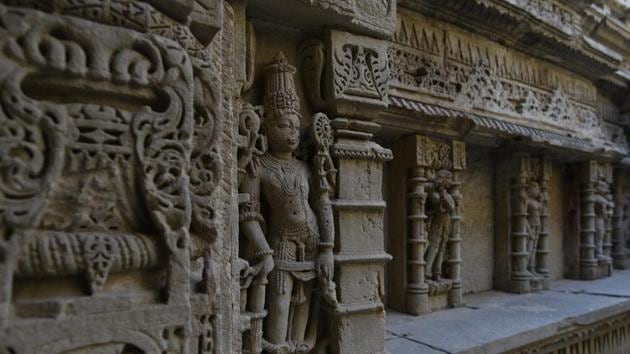
Both the walls of the Vav and the corridors are adorned with sculptures. Vishnu – his different forms, avatars and swaroops – is the main subject of the sculptures. The walls of the well are adorned with carvings of Vishnu in various stages of repose. There are also sculptures of Vishnu with his wife Lakshmi, Shiva-Parvati, Brahma with his consort, Indra, Kuber, Hanuman and others. Then there are sculptures of Apsaras and Nagakanyas. (Sanchit Khanna / HT Photo)
8/8
 View Photos in a new improved layout
Updated on Nov 19, 2018 5:19 PM


