
 E-Paper



Photos: Young Tibetans moving out of Dharamsala, in search of a new home
For decades, Dharamsala has been the seat of the Tibetan government-in-exile and a mini-Tibet in India. But now, the Tibetans are leaving. While some are migrating to the West, many are also choosing to go back to Tibet. Their reasons are many: some are driven by the lure of a better life abroad, or the distance that migration creates in personal relationships. Others by an uncertainty over their status in India in light of the Dalai Lama’s advancing age, or being able to better contribute to Tibet’s cause from lands elsewhere.
Updated on: Apr 2, 2018 2:37 PM IST


Share via


Copy link

1/11
 View Photos in a new improved layout
Updated on Apr 2, 2018 2:37 PM
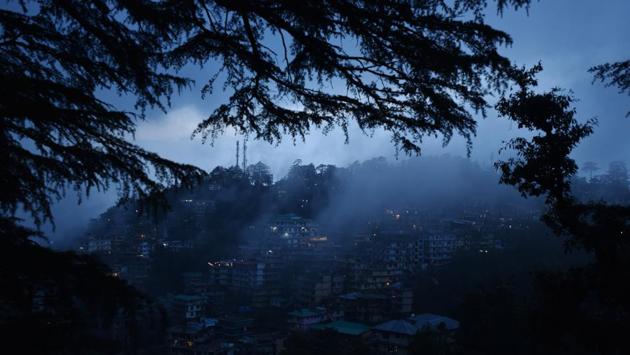
McLeodganj is seen on a misty evening from Dharamsala, Himachal Pradesh. It is now becoming increasingly apparent that McLeodganj -- the home of Dalai Lama and the Tibetan community is fast losing its Tibetans to migration. A trend, quantified by the number of friends young Tibetans have witnessed either migrating to the West or choosing to go back to Tibet. (Anushree Fadnavis / HT Photo)
2/11
 View Photos in a new improved layout
Updated on Apr 2, 2018 2:37 PM
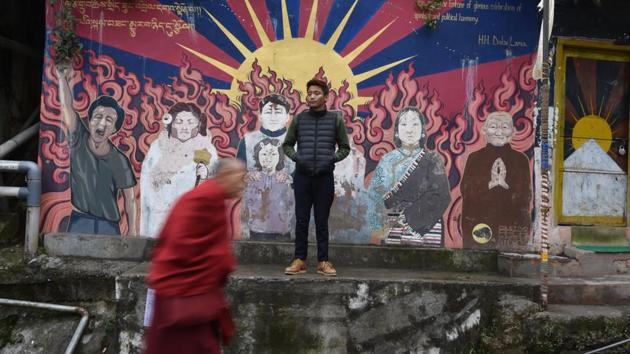
Kunsang Tenzing, 33, came to India at the age of six, after his parents put him in his grandmother’s care, post their divorce. He has never lived with his family since then; they admitted him to a boarding school and migrated to the United States soon after. Kunsang found solace in the company of six close friends made while growing up but they have all left to different countries and he plans to follow suit. (Anushree Fadnavis / HT Photo)
3/11
 View Photos in a new improved layout
Updated on Apr 2, 2018 2:37 PM
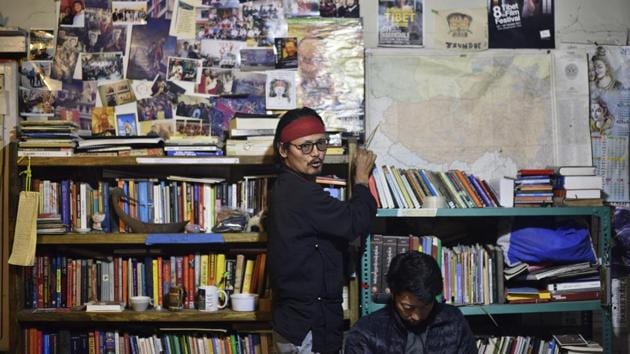
Tibetans in India are neither officially refugees nor Indian citizens since India hasn’t signed the 1951 UN Convention on Refugees. Officially, they are foreigners with ‘Registration Certificates’ that certify residency. These certificates need to be renewed every five years. Until 2014, Tibetans could not even avail of loans to start businesses. Though that policy has been changed on paper, there has been little change in ground realities. (Anushree Fadnavis / HT Photo)
4/11
 View Photos in a new improved layout
Updated on Apr 2, 2018 2:37 PM
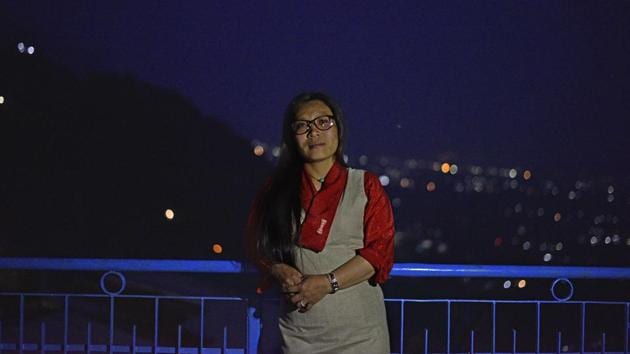
When Tsering Yangzom, 28, left Tibet, she left not just the Chinese occupation but also an oppressive step-family. Life in India, working for the National Democratic Party of Tibet and contributing to the cause had been “like a dream”. The only draw to Tibet were her brother’s calls. His passing, robbing her of a reason to go back has given another to head out to the West –the financial care of his children. (Anushree Fadnavis / HT Photo)
5/11
 View Photos in a new improved layout
Updated on Apr 2, 2018 2:37 PM
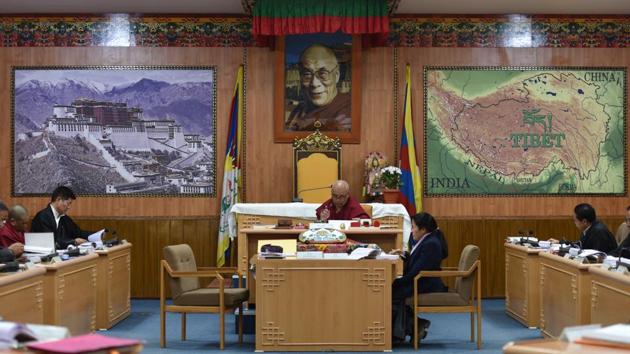
A view of the parliament in session in Dharamsala. This year, as the community celebrates 60 years of its existence in India, it has been a struggle for many. With the Dalai Lama’s advancing age, the community is increasingly trying to gaze into the crystal ball of State policy, looking for signs that the Indian government won’t turn its back on them after his death. (Anushree Fadnavis / HT Photo)
6/11
 View Photos in a new improved layout
Updated on Apr 2, 2018 2:37 PM
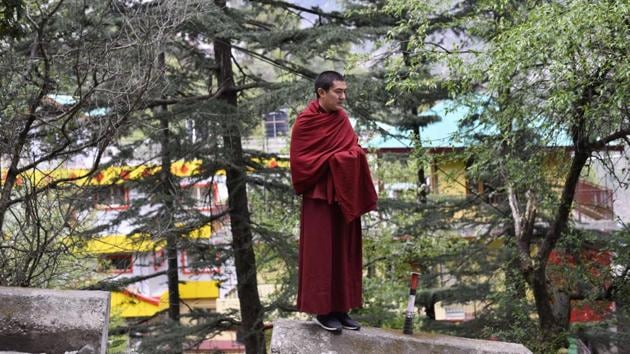
The Central Tibetan Administration (CTA) confirms the migration trend but says it has no way of quantifying it, especially those returning to Tibet. Unofficial estimates from the Foreigners Registration office in Dharamshala indicate a number as high as around 100 Tibetans each year of McLeodganj’s 15,000-strong population having migrated in the past two years. (Anushree Fadnavis / HT Photo)
7/11
 View Photos in a new improved layout
Updated on Apr 2, 2018 2:37 PM
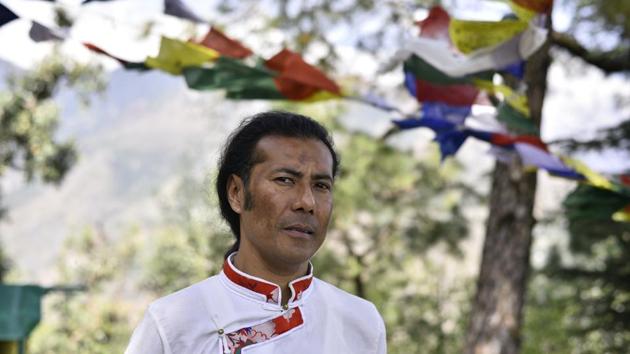
From fake documentation to sham marriages people make every possible effort to move out of India. “Agents get fake documentation made and charge differently for each country. The going rate for the US, for instance, is about Rs 20 lakh,” says Lobsang Wangyal, a journalist and the organiser of the Miss Tibet beauty pageant. (Anushree Fadnavis / HT Photo)
8/11
 View Photos in a new improved layout
Updated on Apr 2, 2018 2:37 PM
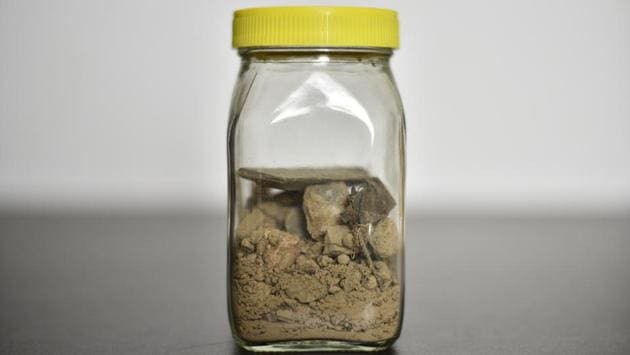
A jar of soil brought back from Tibet by a person who went to see his family for a few days. (Anushree Fadnavis / HT Photo)
9/11
 View Photos in a new improved layout
Updated on Apr 2, 2018 2:37 PM
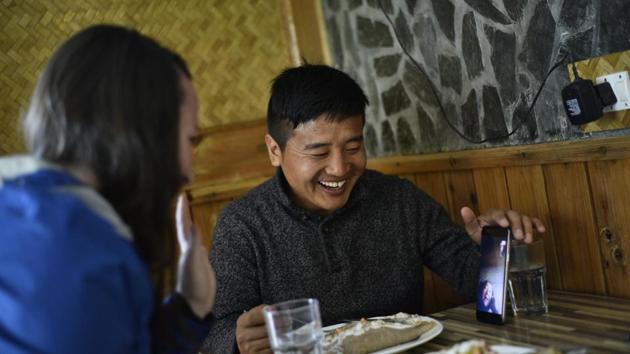
For Tsultrim, 30, home might now be the US, where he plans to move and settle with his partner Molly Laurie, an American journalist based in McLeodganj. This doesn’t come without its pangs of anxiety. Tsultrim has been craving to go back to Tibet to see his ailing mother but his visa requests have been rejected eight times by Chinese authorities. Here seen chatting with his mother on the phone back home. (Anushree Fadnavis / HT Photo)
10/11
 View Photos in a new improved layout
Updated on Apr 2, 2018 2:37 PM
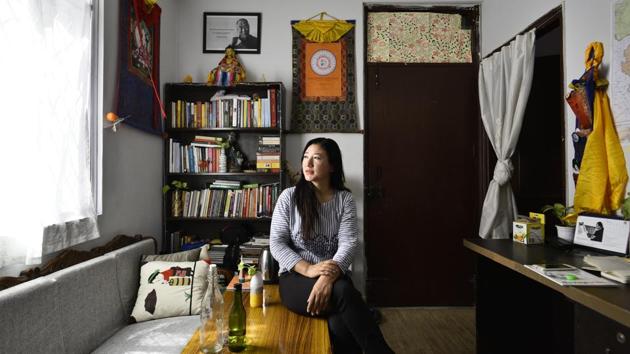
“Economically, many of the Tibetans in Tibet and across the world are doing relatively better than the Tibetans in India,” says Lobsang Yangtso, a PhD scholar at Jawaharlal Nehru University. Yangtso is now contemplating a move, possibly to the US, to pursue her post-doctoral studies. “I am not allowed to teach in Indian government-run universities here, nor work for the government. This restrict my options a lot,” she reasons. (Anushree Fadnavis / HT Photo)
11/11
 View Photos in a new improved layout
Updated on Apr 2, 2018 2:37 PM


