
 E-Paper



Exploring the rich traditions and customs of Chinese New Year
Here are a few highlights of the rich traditions and customs associated with Chinese New Year.
Updated on: Feb 10, 2024 11:07 AM IST


Share via


Copy link

1/7
 View Photos in a new improved layout
Updated on Feb 10, 2024 11:07 AM
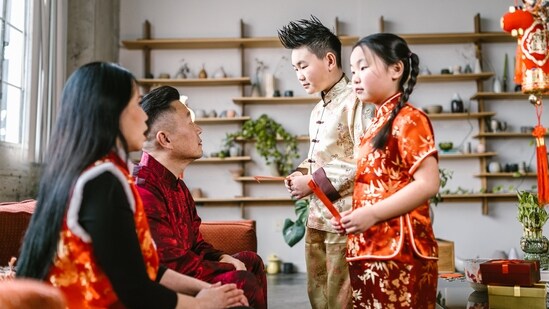
Chinese New Year, also known as the Spring Festival, is a significant traditional festival celebrated by Chinese communities around the world. This year's Lunar New Year will be observed on February 10. The festival is characterized by vibrant decorations, special foods, dragon and lion dances, fireworks, and the giving of red envelopes containing money for good luck. Here are six key aspects of how it is celebrated: (Pexels)
2/7
 View Photos in a new improved layout
Updated on Feb 10, 2024 11:07 AM
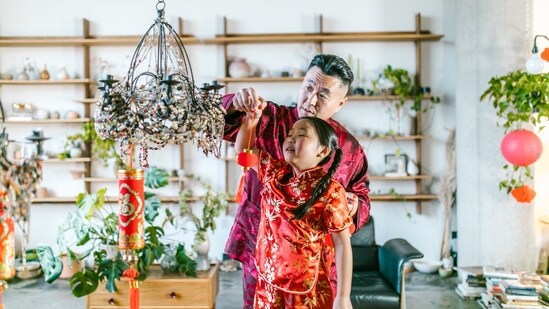
Reunion and Family Gathering: Chinese New Year is a time for family reunions. Families come together to celebrate with elaborate meals and gatherings, often traveling long distances to be with their loved ones. (Pexels)
3/7
 View Photos in a new improved layout
Updated on Feb 10, 2024 11:07 AM
Fireworks and Firecrackers: Fireworks and firecrackers are a traditional part of the celebrations, believed to scare away evil spirits and bring luck for the coming year. However, in some places, there are restrictions on their use due to safety and environmental concerns. (Unsplash)
4/7
 View Photos in a new improved layout
Updated on Feb 10, 2024 11:07 AM
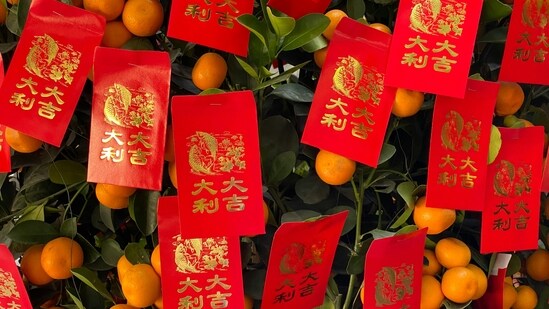
Giving Red Envelopes: Adults give red envelopes (hongbao) containing money to children and unmarried young adults as a symbol of good luck and blessings for the new year. The amount of money is often an auspicious number, such as 8 (representing wealth) or 6 (representing smoothness). (Unsplash)
5/7
 View Photos in a new improved layout
Updated on Feb 10, 2024 11:07 AM
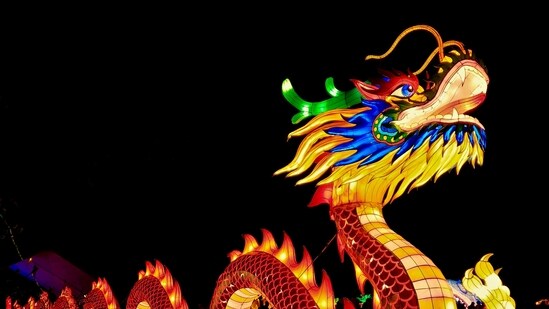
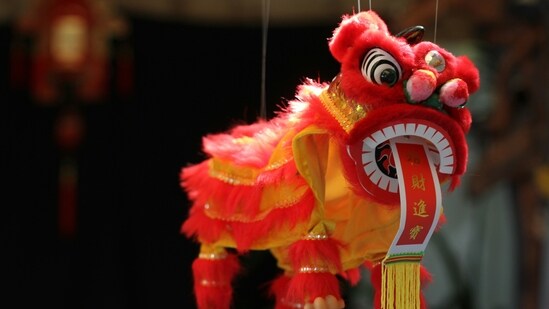
Lion and Dragon Dances: Colorful lion and dragon dances are performed in streets and public spaces to bring good luck and drive away evil spirits. The dances are accompanied by loud music and the sound of drums and cymbals. (Unsplash)
6/7
 View Photos in a new improved layout
Updated on Feb 10, 2024 11:07 AM
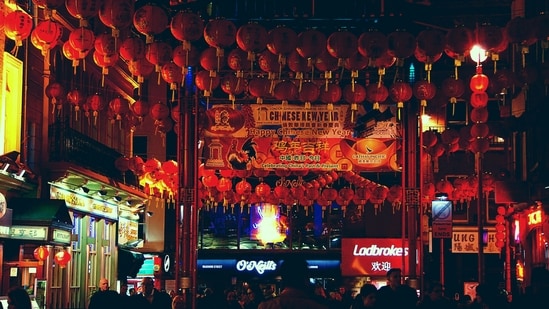
Lunar New Year's Eve: The eve of Chinese New Year is a time for family dinners, often featuring traditional dishes with symbolic meanings. It is also customary to stay up late to welcome the arrival of the new year. (Unsplash)
7/7
 View Photos in a new improved layout
Updated on Feb 10, 2024 11:07 AM


