
 E-Paper



Once worshipped, now contaminated: The gradual death of Lake Titicaca of Peru
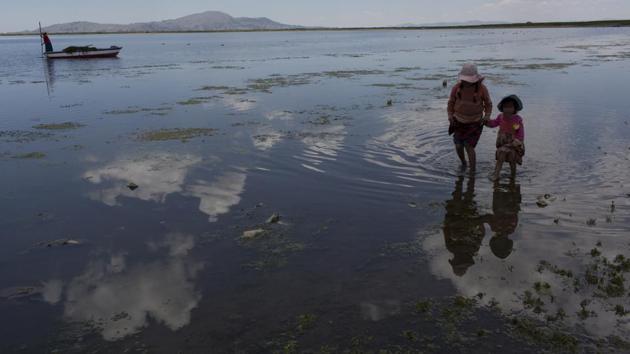
Cousins from the Avila family search for discarded toys on the shores of Lake Titicaca, in Coata in the Puno region of Peru. The shores of South America's largest lake are littered with dead frogs, discarded paint buckets and bags of soggy trash. Less visible threats lurk in the water itself; highly toxic levels of lead and mercury. (Rodrigo Abd/AP)
Updated on: Mar 03, 2017 12:19 PM IST

Share via


Copy link

1/18
 View Photos in a new improved layout
Updated on Mar 03, 2017 12:19 PM
Cousins from the Avila family search for discarded toys on the shores of Lake Titicaca, in Coata in the Puno region of Peru. The shores of South America's largest lake are littered with dead frogs, discarded paint buckets and bags of soggy trash. Less visible threats lurk in the water itself; highly toxic levels of lead and mercury. (Rodrigo Abd/AP)
2/18
 View Photos in a new improved layout
Updated on Mar 03, 2017 12:19 PM
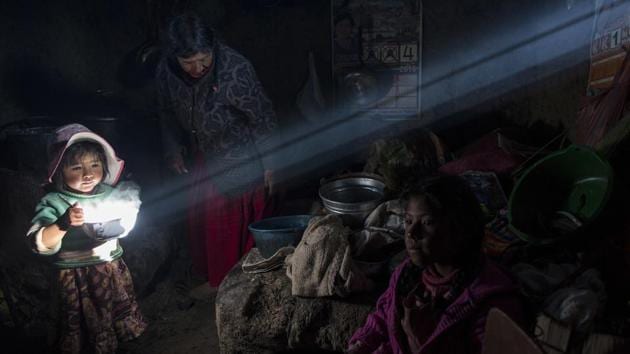
A child holds a bowl of hot food as the Avila family has lunch at their home in Coata, a small village on the shore of Lake Titicaca in the Puno region of Peru. Lake Titicaca was once worshipped by Incas who proclaimed its deep blue waters the birthplace of the sun, but today high levels of mercury, cadmium, zinc and copper are found in the fish locals consume, according to a 2014 government study. (Rodrigo Abd/AP)
3/18
 View Photos in a new improved layout
Updated on Mar 03, 2017 12:19 PM
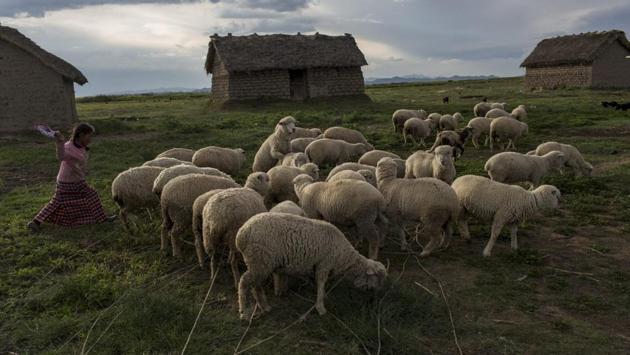
Maria Avila moves her flock of sheep in Coata, a small village on the shores of Lake Titicaca in the Puno region of Peru. Avila, the mother of a 4-year-old living in an adobe house, says she cannot bathe or drink the lake's water without getting severe diarrhoea or red spots on her skin. (AP)
4/18
 View Photos in a new improved layout
Updated on Mar 03, 2017 12:19 PM
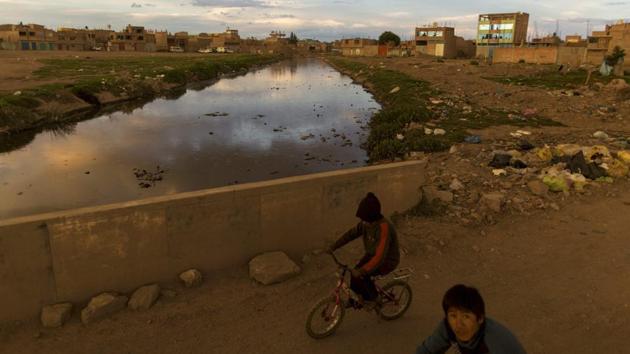
Children ride bikes along the Torococha River near a municipal waste treatment plant with water that flows into Lake Titicaca, in Juliaca. Many of the more than 400,000 tourists who visit Lake Titicaca from Peru each year stop first in Juliaca, a town that produces 200 tons of trash daily, much of it winding up in a river that has turned into a conveyor belt of waste heading into the lake. (AP)
5/18
 View Photos in a new improved layout
Updated on Mar 03, 2017 12:19 PM
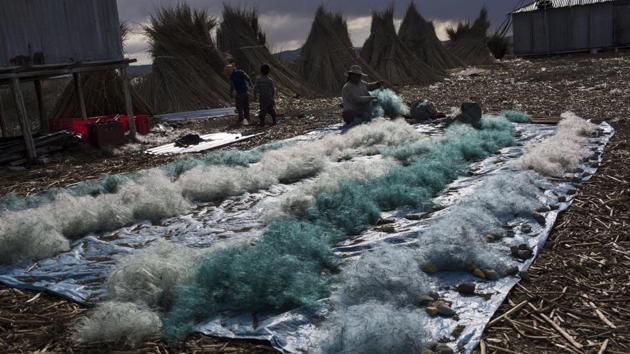
Naty Lugano Quispe cleans fish nets in Kapi Cruz Grande, a village on the shore of Lake Titicaca. A 2014 study suggested officials limit some fish consumption, but area inhabitants said they weren’t informed about the study or told they could be consuming fish containing mercury, cadmium, zinc and copper at levels higher than those advised for human consumption. (Rodrigo Abd/AP)
6/18
 View Photos in a new improved layout
Updated on Mar 03, 2017 12:19 PM
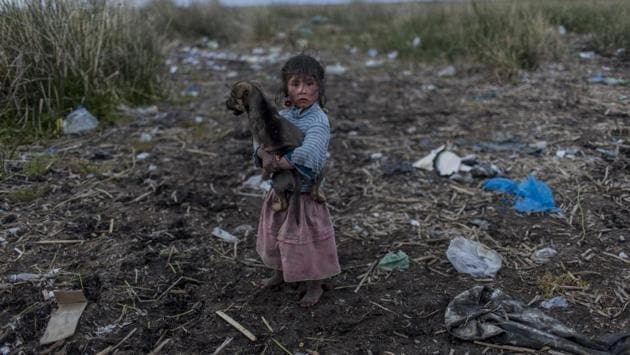
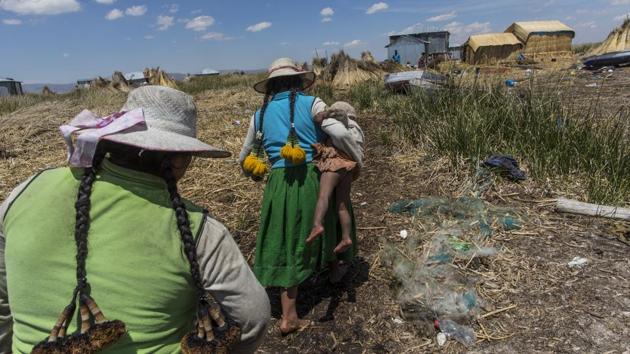
Melinda Quispe walks on the trash strewn shore of Lake Titicaca, as she holds her dog, in her village Kapi Cruz Grande of Peru. The governments of Peru and Bolivia signed a pact in January to spend more than $500 million to attack the pollution problem of Lake Titicaca, though the details were vague. (Rodrigo Abd/AP)
7/18
 View Photos in a new improved layout
Updated on Mar 03, 2017 12:19 PM
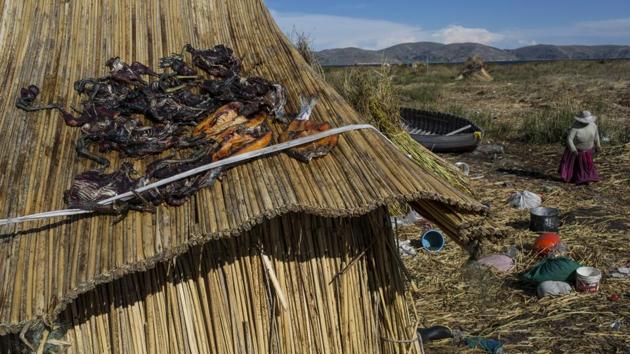
Trapped birds and caught trout lay out to dry on the thatched roof of a home in Kapi Cruz Grande, a village on the shore of Lake Titicaca. (Rodrigo Abd/AP)
8/18
 View Photos in a new improved layout
Updated on Mar 03, 2017 12:19 PM
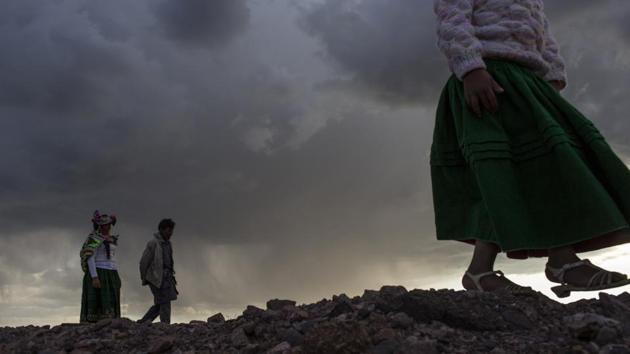
Environmental activist Maruja Inquilla, left, walks with Auroro Belisario Pacompia at a municipal waste treatment plant whose waters flow into Lake Titicaca, in Juliaca. Inquillla is alerting neighbouring villagers of the dangers lurking in their food and water. Tucked between snow-capped mountains, Lake Titicaca was once worshipped by the Incas, who proclaimed its deep blue waters the birthplace of the sun. (Rodrigo Abd/AP)
9/18
 View Photos in a new improved layout
Updated on Mar 03, 2017 12:19 PM
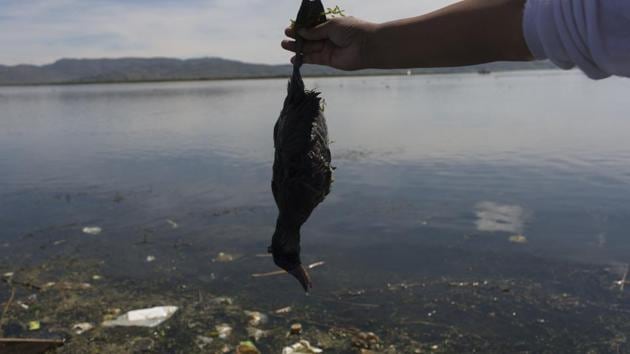
Environmental activist Maruja Inquilla holds a dead bird called a "Choca," on the shore of Lake Titicaca, in Coata. Untreated sewage water drains from two dozen nearby cities, and illegal gold mines high in the Andes dump up to 15 tons of mercury a year into a river leading to the lake. (Rodrigo Abd/AP)
10/18
 View Photos in a new improved layout
Updated on Mar 03, 2017 12:19 PM
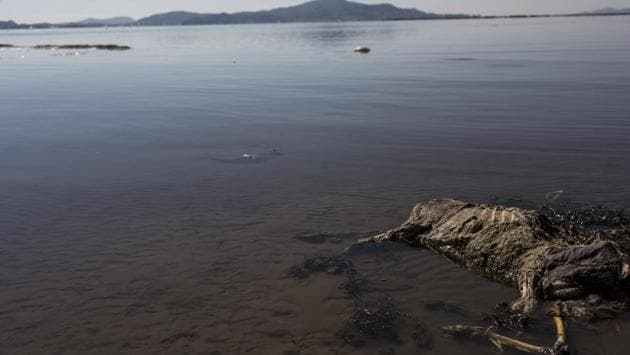
A sheep's carcass lays on the shore of Lake Titicaca, Peru. According to environmental activists, villagers' cattle and crops are dying due to contamination. (Rodrigo Abd/AP)
11/18
 View Photos in a new improved layout
Updated on Mar 03, 2017 12:19 PM
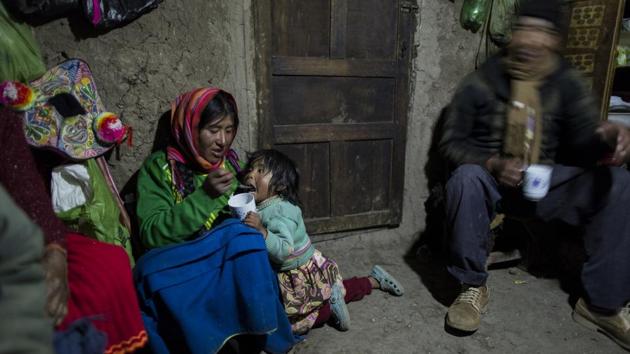
Maria Avila feeds her daughter Shomara in their family's adobe home in Coata, a village on the shored of Lake Titicaca. Avila grew angry as she talked about the lake’s contamination. My ancestors have lived here more than 500 years. They have never gone through these things, she said. (Rodrigo Abd/AP)
12/18
 View Photos in a new improved layout
Updated on Mar 03, 2017 12:19 PM
The Avila family sets their lunch of potatoes and fish on the floor of their home in Coata. The steady deterioration of the prized tourist destination has caused a rash of health problems among the 1.3 million people in Peru and Bolivia living near Lake Titicaca’s polluted banks. (Rodrigo Abd/AP)
13/18
 View Photos in a new improved layout
Updated on Mar 03, 2017 12:19 PM
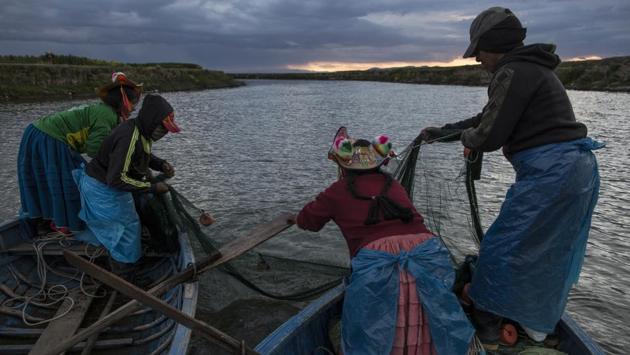
The Avila family fishes on the Coata River. (Rodrigo Abd/AP)
14/18
 View Photos in a new improved layout
Updated on Mar 03, 2017 12:19 PM
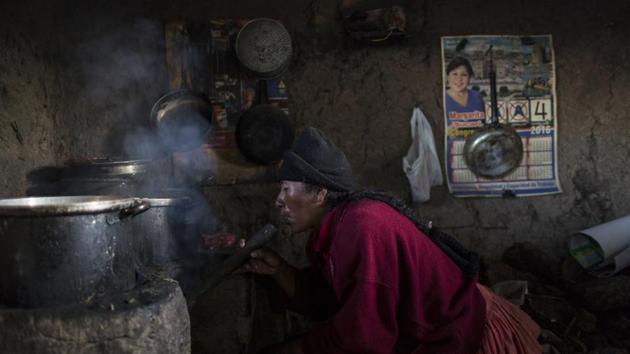
Lilian Avila Diaz lights her firewood stove to cook lunch for her family in Coata. The amount of mercury consumed by Titicaca residents is “unacceptable,” according to Dr. Jane M. Hightower, who specializes in internal medicine at the California Pacific Medical Center in San Francisco and author of the book “Diagnosis: Mercury: Money, Politics & Poison,” after reviewing a 2014 study on fish caught from Lake Titicaca. (Rodrigo Abd/AP)
15/18
 View Photos in a new improved layout
Updated on Mar 03, 2017 12:19 PM
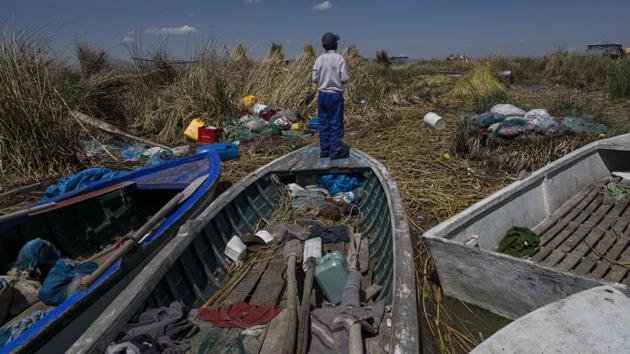
A boy stands on a fishing boat on the littered shore of Lake Titicaca in Kapi Cruz Grande. The camouflage coloured Titicaca water frogs that used to be in abundance have thinned in numbers and have been placed on a “critically endangered” list by the International Union for Conservation of Nature and just 10,000 remain. (Rodrigo Abd/AP)
16/18
 View Photos in a new improved layout
Updated on Mar 03, 2017 12:19 PM
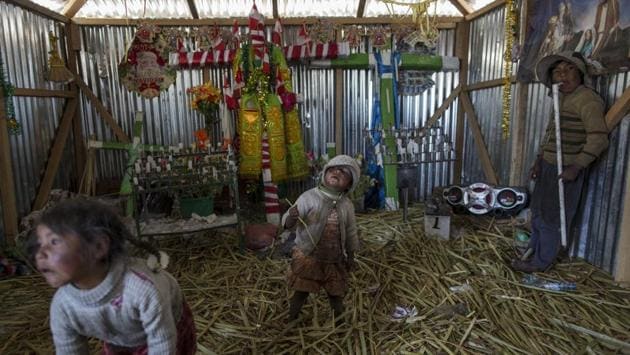
Children play inside a church in Kapi Cruz Grande, a community on the shores of Lake Titicaca. Many living on the 4,000-meter (13,100-feet) high plain surrounding the lake contaminated with toxic levels of lead and mercury feel government leaders have neglected them. (Rodrigo Abd/AP)
17/18
 View Photos in a new improved layout
Updated on Mar 03, 2017 12:19 PM
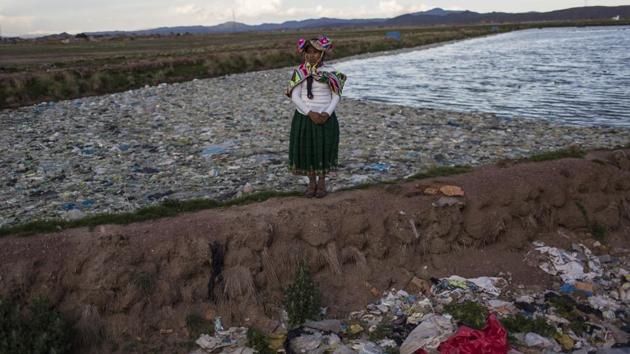
Environmental activist Maruja Inquilla poses for a photo next to a Municipal waste treatment plant with water that flows into Lake Titicaca, in Juliaca, in the Puno region of Peru. "If the frogs could talk they would say,This is killing me, said Inquilla, who recently showed up at the Puno governor's house carrying plastic bags filled with hundreds of dead frogs in protest. (Rodrigo Abd/AP)
18/18
 View Photos in a new improved layout
Updated on Mar 03, 2017 12:19 PM


