
 E-Paper



Photos: A migrant family’s bid to breach the Aegean Sea and to Europe
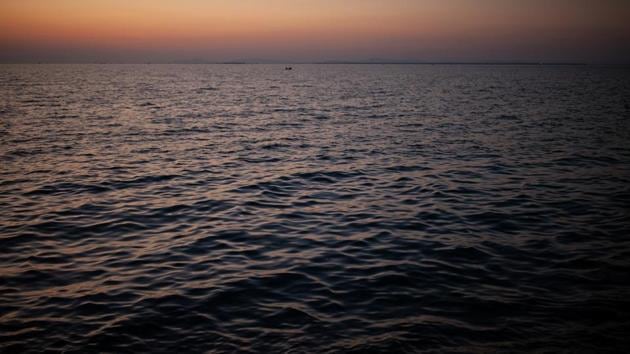
More than 3.5 million Syrian refugees now live in Turkey as a result of a conflict that has raged since 2011. Ahmed's and Hanin's journey started amid Syria's conflict and brought the two Palestinians from their homes in Damascus' suburbs to Turkey. Dozens of migrants have died during their journey via Turkey to Europe, according to reports by state-owned Anadolu Agency. Some drowned in the Aegean Sea, others died in vehicle crashes, while many froze to death while trying to cross borders on foot. But hope remains among those in Turkey, of reaching shores less turbulent.
Updated on: Sep 12, 2019 12:47 PM IST

Share via


Copy link

1/14
 View Photos in a new improved layout
Updated on Sep 12, 2019 12:47 PM
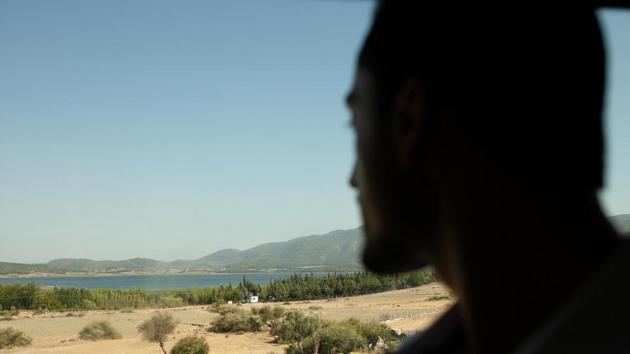
Palestinian-Syrian refugee Ahmed, 27, travels by bus to the sea to swim for the first time in the Aegean Sea in Izmir, Turkey. With migrants only allowed one backpack each on the smugglers’ boats that carry them from Turkey to Greece, Ahmed, his wife Hanin and her family packed a few possessions and sent the rest of their belongings to friends. Then they waited. (Ekaterina Anchevskaya / REUTERS)
2/14
 View Photos in a new improved layout
Updated on Sep 12, 2019 12:47 PM
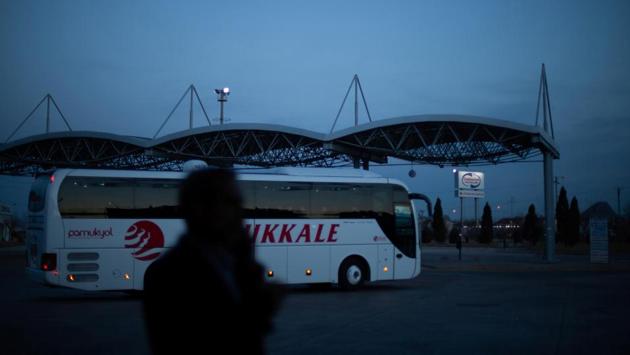
Ahmed makes a phone call at a bus stop during a 20-hour ride from Izmir to Kilis to meet his fiancee Hanin for the first time. The night at on the smugglers’ boar should have been the defining moment of a journey which began as Syria’s conflict escalated. Hanin and her family left in 2014, and Ahmed two years later for Turkey where they were introduced in the winter of 2017. (Ekaterina Anchevskaya / REUTERS)
3/14
 View Photos in a new improved layout
Updated on Sep 12, 2019 12:47 PM
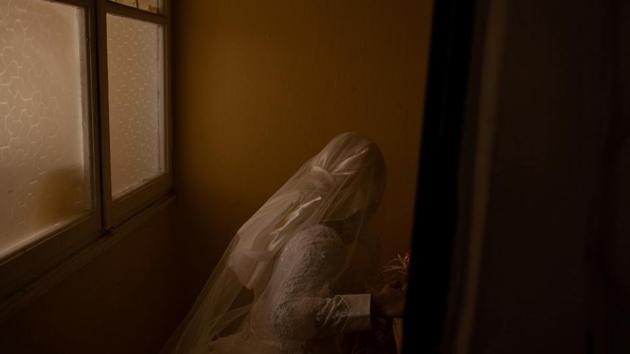
Hanin, 19, leaves her friend’s apartment in her wedding dress ready for her marriage to Ahmed in Izmir. Living in different cities, they exchanged text messages for months before Ahmed met her, which led to their engagement. Their engagement party was in Kilis, right across the border from war-torn Syria. (Ekaterina Anchevskaya / REUTERS)
4/14
 View Photos in a new improved layout
Updated on Sep 12, 2019 12:47 PM
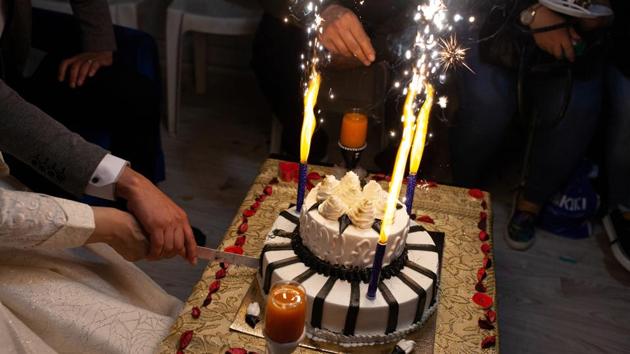
Ahmed and Hanin cut the cake on their wedding night in Izmir. They were quickly swept up in a flurry of wedding preparations: searching for the perfect dress, struggling to wire money across Western Union offices, planning a two-night party. (Ekaterina Anchevskaya / REUTERS)
5/14
 View Photos in a new improved layout
Updated on Sep 12, 2019 12:47 PM
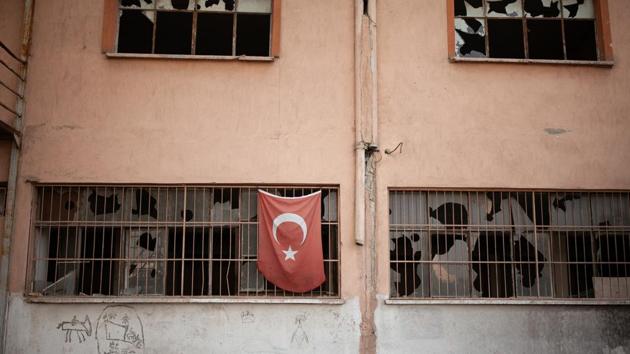
A Turkish flag hangs from the window of an abandoned factory in Hilal, one of the poorest areas in Izmir. In 2015, more than 800,000 mainly Syrian and Afghan migrants took to the seas off Turkey to make the short but perilous trip to Greece. The numbers fell dramatically the next year after a deal between the European Union and Turkey to stem the exodus. (Ekaterina Anchevskaya / REUTERS)
6/14
 View Photos in a new improved layout
Updated on Sep 12, 2019 12:47 PM
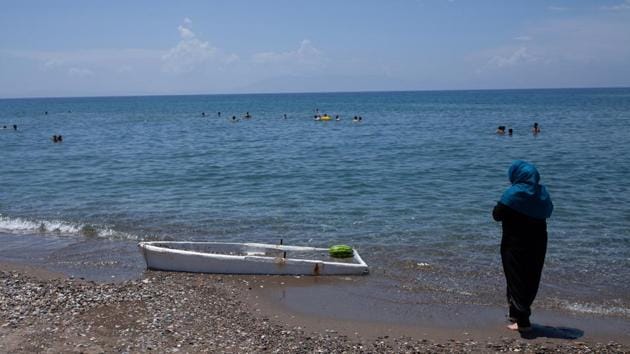
Turki, Hanin's mother, walks on the beach in Gumuldur, Izmir, for the first time in Turkey. Hanin’s younger brother Hamza was among those who left earlier, heading to Germany four years ago. The family yearns to stop communicating via patchy video calls and reunite in Europe. “All the sorrow for my son is in my heart,” Turki said. She said her weak heart swelled on dreams of seeing her son again. (Ekaterina Anchevskaya / REUTERS)
7/14
 View Photos in a new improved layout
Updated on Sep 12, 2019 12:47 PM
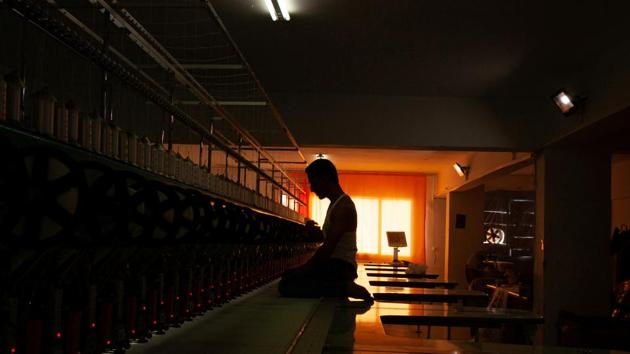
Ahmed, who studied English literature in Syria to become a translator, worked 14-hour shifts at a textile factory in Izmir where the couple moved after they married. Hanin’s mother packed nuts in a factory while her father sold Syrian cigarettes. They aimed to save $3,000 that they would need to make it to Greece, their first stop on the way to Germany. (Ekaterina Anchevskaya / REUTERS)
8/14
 View Photos in a new improved layout
Updated on Sep 12, 2019 12:47 PM
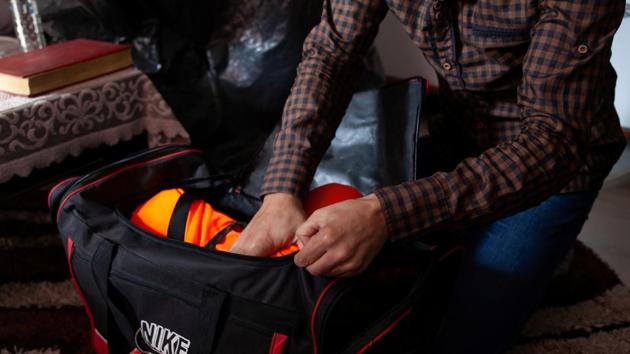
Ahmed packs life jackets for his family to travel to Greece. The family followed a Facebook group created by volunteers in Greece, posting about arriving boats, accidents and weather conditions. Every day, they heard and read stories of stormy waters causing accidents and of families drowning at sea because they didn’t have enough money to buy life jackets. (Ekaterina Anchevskaya / REUTERS)
9/14
 View Photos in a new improved layout
Updated on Sep 12, 2019 12:47 PM
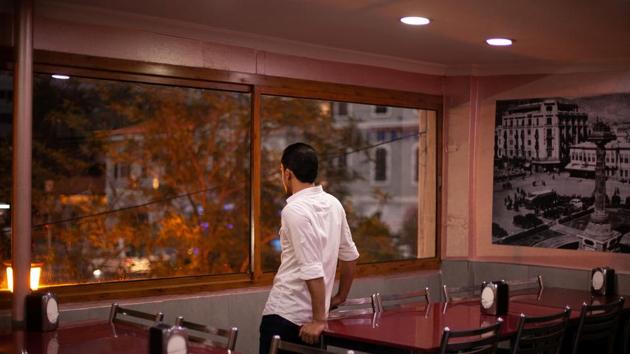
Ahmed looks out from a window in a Syrian restaurant popular among refugees in Izmir. “Maybe these are signs that we should not go,” Ahmed would sometimes say in the lead-up to their 2018 attempt. “Every new problem is trying to say something to us.” But he saw no option but to leave Turkey, because staying meant he would “keep working in that factory forever”. (Ekaterina Anchevskaya / REUTERS)
10/14
 View Photos in a new improved layout
Updated on Sep 12, 2019 12:47 PM
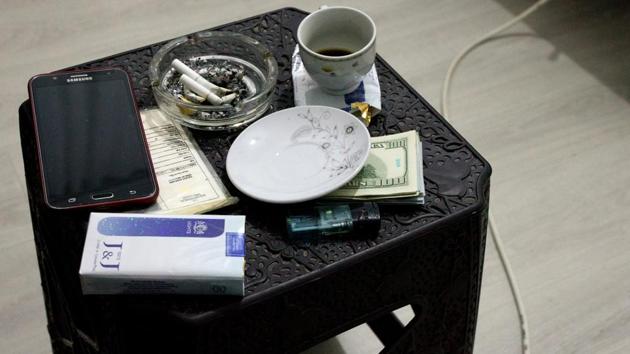
Money is set aside as payment for a smuggler to take Ahmed, his wife Hanin and Hanin's family to Greece. Ahmed’s resolve was tested when a smuggler he paid to secure the family’s places on a boat disappeared with their cash. They had to work hard again to raise fresh funds. Ahmed found another smuggler and paid the fee again. The family changed their minds five times in two weeks. (Ekaterina Anchevskaya / REUTERS)
11/14
 View Photos in a new improved layout
Updated on Sep 12, 2019 12:47 PM
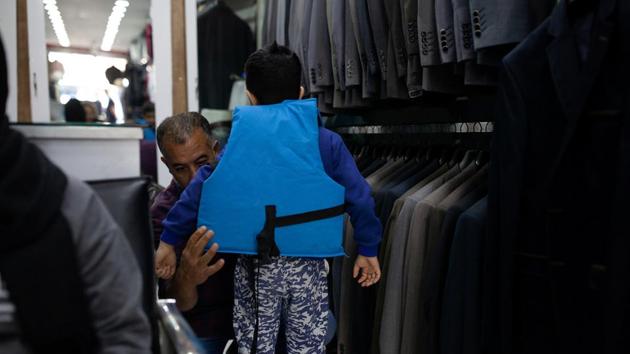
The family bought life jackets - a simple but risky transaction which carries the possibility of arrest. At 11 p.m., the smuggler still had not called. They feared they had lost their money again but he eventually did a few days later. The people on the small boat were loud, so the Turkish coast guard found them, 20 minutes away from the border. They were held in jail for three days. (Ekaterina Anchevskaya / REUTERS)
12/14
 View Photos in a new improved layout
Updated on Sep 12, 2019 12:47 PM
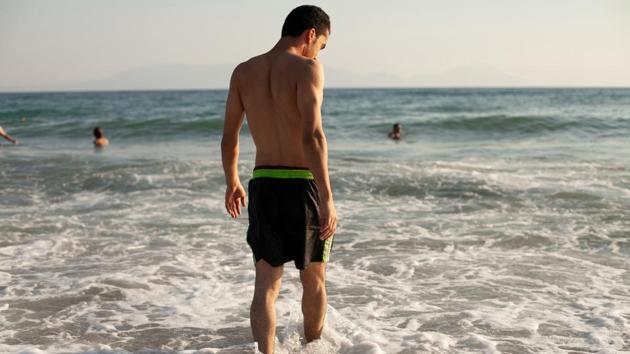
Ahmed walks into the water for his first swim in the Aegean Sea. The family says they can try again with the same smuggler, for no extra fee, though Ahmed is despondent as he watches the clouds gathering above the darkening waters. “I never felt worse,” he says. “So much thinking, and a storm is coming.” (Ekaterina Anchevskaya / REUTERS)
13/14
 View Photos in a new improved layout
Updated on Sep 12, 2019 12:47 PM
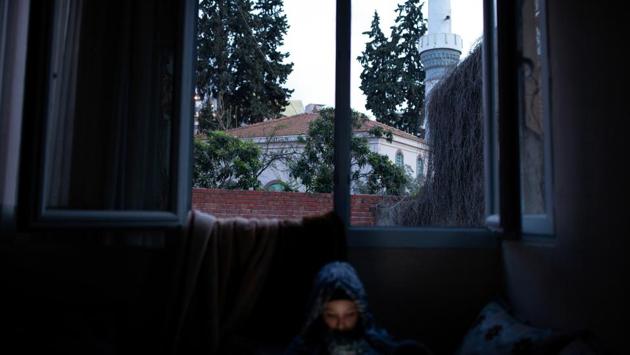
Hanin looks at her phone at her family’s apartment in Izmir. A year later, the family still wants to move to Europe but have written off the boat route. They don’t want to suffer the sting of humiliation again, insults in holding cells, the waste of limited funds. Ahmed said he would never go back to Syria because the situation has worsened, and because he would have to serve military service and fight for President Bashar al-Assad. (Ekaterina Anchevskaya / REUTERS)
14/14
 View Photos in a new improved layout
Updated on Sep 12, 2019 12:47 PM


