
 E-Paper



Photos: Few takers for massive bill to rebuild Iraq after ISIS
Three years of coalition-led strikes against ISIS have left much of Iraq leveled. Baghdad estimates $100 billion is needed nationwide to rebuild. Mosul meanwhile estimates that amount is needed to rehabilitate this city alone. With millions awaiting reconstruction to facilitate coming home, no authority is stepping up to foot the bill.
Updated on: Dec 29, 2017 12:14 PM IST

Share via


Copy link

1/13
 View Photos in a new improved layout
Updated on Dec 29, 2017 12:14 PM
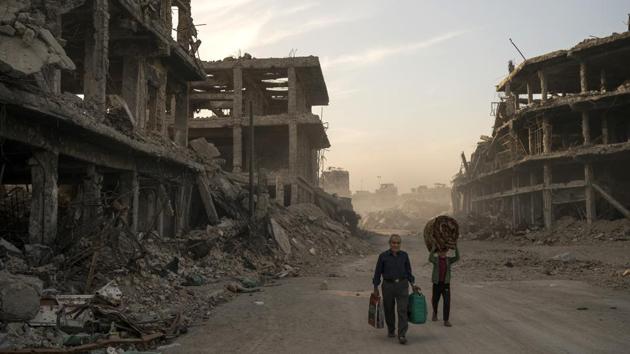
Haider (L), and Abdullah carry belongings from their damaged house before returning to the Mosul’s Old City. Three years of war devastated much of northern and western Iraq, Baghdad estimates $100 billion is needed nationwide to rebuild. Local leaders in Mosul, the biggest city held by IS, say that amount is needed to rehabilitate their city alone. So far no one is offering to foot the bill. (Felipe Dana / AP)
2/13
 View Photos in a new improved layout
Updated on Dec 29, 2017 12:14 PM
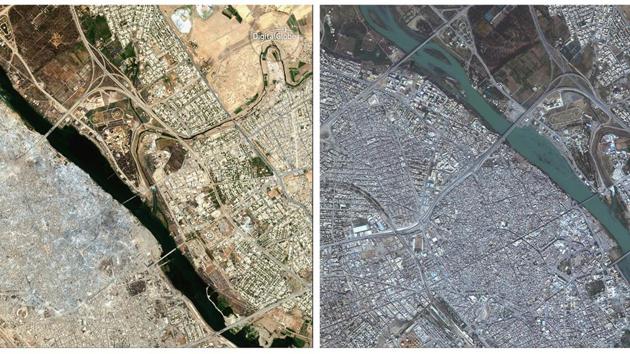
Satellite images show the Old City of Mosul on July 8, 2017 after a nine month battle to oust ISIS (L), and on November 13, 2015 (R). For nearly 4 kms along the western bank of the Tigris, hardly a single building is intact. The narrow streets of Mosul’s Old City are a crumpled landscape of broken concrete and metal. Every acre is weighed down by more than 3,000 tons of rubble, explosives and unexploded ordnance. (DigitalGlobe via AP)
3/13
 View Photos in a new improved layout
Updated on Dec 29, 2017 12:14 PM
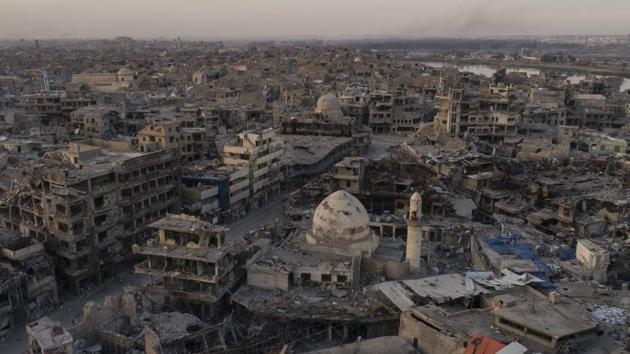
Aerial view of destroyed building and shops in the Old City of Mosul, Iraq on November 15, 2017. The scope of destruction in the neighbourhood is comparable to some of the worst urban battles of World War II, and the cost of rebuilding is nearly incalculable. The Trump administration has told the Iraqis it won’t pay for a massive reconstruction drive. (Felipe Dana / AP)
4/13
 View Photos in a new improved layout
Updated on Dec 29, 2017 12:14 PM
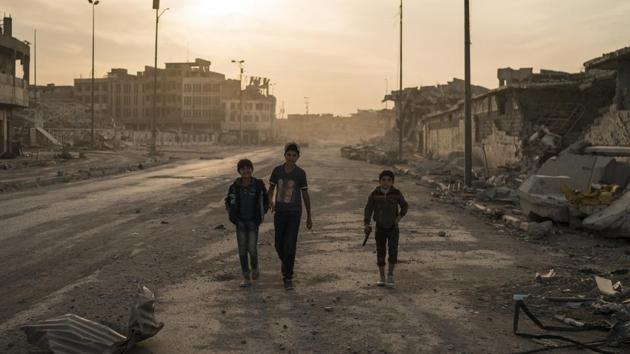
Boys, one of them carrying a toy gun, walk on the empty streets of Mosul. Iraq hopes Saudi Arabia and other Gulf countries will step up, and Iran may also take a role. The UN is repairing infrastructure in nearly two dozen towns and cities around Iraq, but funding is a fraction of that needed. As a result, much of the rebuilding has come from individuals using personal savings to salvage what they can. (Felipe Dana / AP)
5/13
 View Photos in a new improved layout
Updated on Dec 29, 2017 12:14 PM
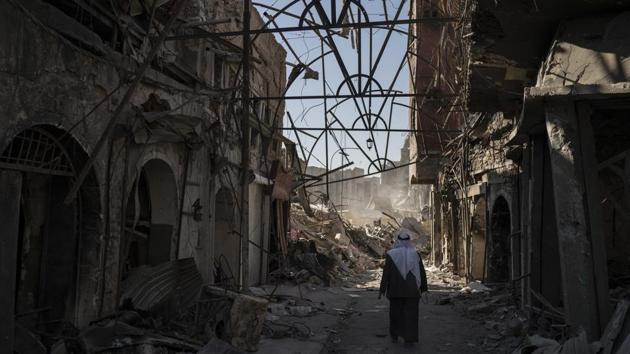
A man walks between destroyed shops in the Old City of Mosul. The longer it takes, the longer those who fled the fighting remain uprooted. While 2.7 million Iraqis have returned, more than 3 million others cannot and languish in camps. Worst hit is Mosul; the UN estimates 40,000 homes there need to be rebuilt, and some 600,000 of its once 2 million residents have been unable to return. (Felipe Dana / AP)
6/13
 View Photos in a new improved layout
Updated on Dec 29, 2017 12:14 PM
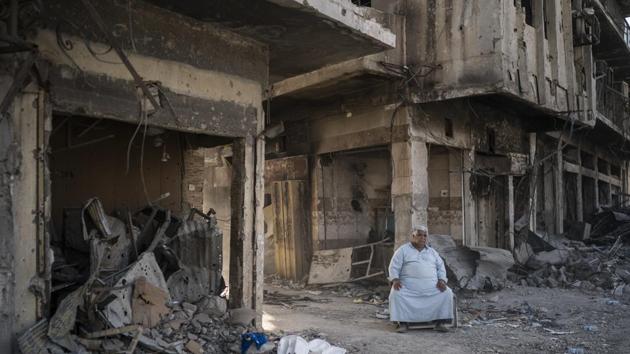
Shop owner Abu Azar sits outside a destroyed bazaar in the Old City. Corruption and bitter sectarian divisions make things harder. The areas with the worst destruction are largely Sunni, while the Baghdad government is Shiite-dominated. The fear is that if Sunni populations feel they’ve been abandoned and left to fend for themselves in shattered cities, the resentment will feed the next generation of militants. (Felipe Dana / AP)
7/13
 View Photos in a new improved layout
Updated on Dec 29, 2017 12:14 PM
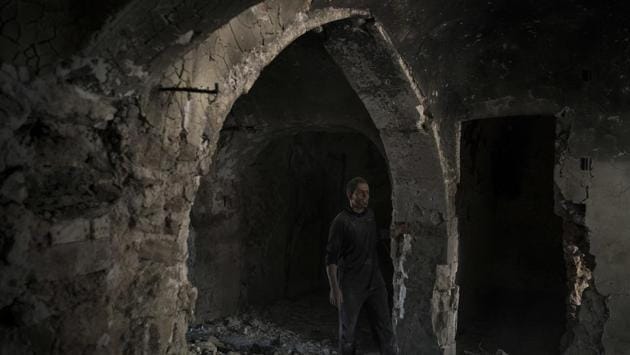
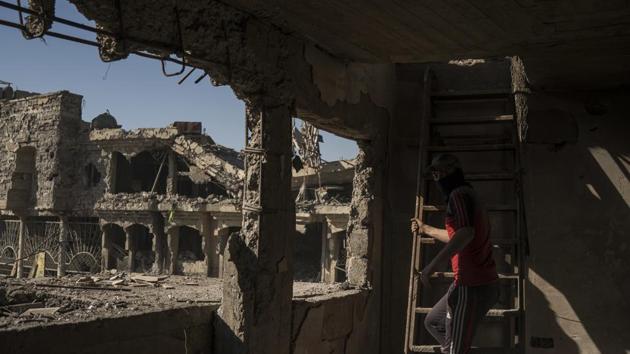
A construction worker stands in the destroyed old bazaar in Mosul. At the southern end of the district, arcades of stone-arched storefronts that once sold spices, cloth and household goods are charred and gutted. The Old City shows the densest destruction, but nearly every neighbourhood of western Mosul has blocks of blasted houses, industrial areas, government buildings and infrastructure. (Felipe Dana / AP)
8/13
 View Photos in a new improved layout
Updated on Dec 29, 2017 12:14 PM
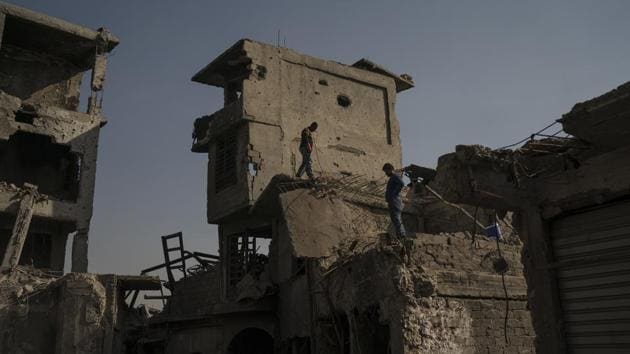
Workers stand atop damaged buildings in the Old City of Mosul. All five bridges crossing the Tigris have been disabled by airstrikes, forcing all traffic onto a single-lane. The two effective battles for Mosul have been likened by military experts to the 1968 battle for the Vietnamese city of Hue. Some like Stephen Wood, a senior analyst at the satellite imagery firm DigitalGlobe look even further back to Dresden, or pictures of World War II. (Felipe Dana / AP)
9/13
 View Photos in a new improved layout
Updated on Dec 29, 2017 12:14 PM
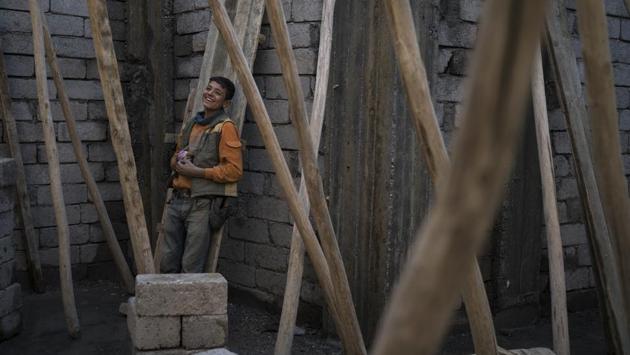
A construction worker smiles during a break as he rebuilds a destroyed shop in the Old City. Along its gutted roads, a handful of people are beginning to rebuild. Amar Ismail Brahim sold his wife’s gold to repaint his café without government aid. “We fought Daesh on behalf of the whole world,” he said. “Now is the time for them to stand with Mosul.” (Felipe Dana / AP)
10/13
 View Photos in a new improved layout
Updated on Dec 29, 2017 12:14 PM
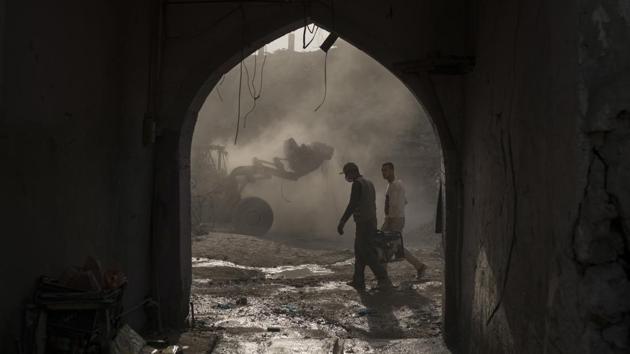
The scale of the task ahead in Mosul can be grasped by what has happened in Ramadi, the capital of Anbar province. Two years after it was retaken from IS, more than 70% of the city remains damaged. Nearly 8,300 homes were destroyed, according to UN Habitat. All five of its bridges over the Euphrates were damaged; only three are currently under repair. Three-quarters of the schools remain out of commission. (Felipe Dana / AP)
11/13
 View Photos in a new improved layout
Updated on Dec 29, 2017 12:14 PM
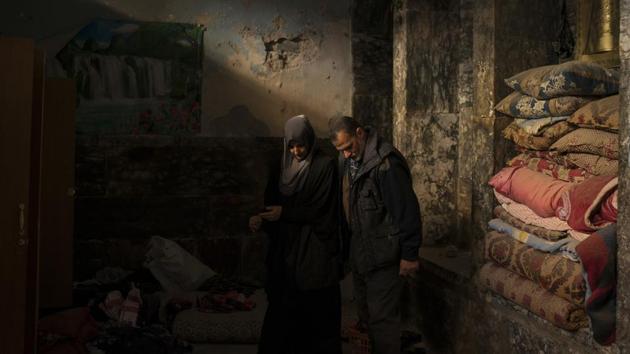
The main engine for rebuilding has been the stabilization program run by UNDP, which focuses on rehabilitating infrastructure. But funding is far lower than what Iraq says it needs. So far, stabilization has received some $392 million in contributions. The US has given $115 million. Germany is the second biggest donor at $64 million. The UAE and Kuwait are the only Gulf nations among the list of donors. (Felipe Dana / AP)
12/13
 View Photos in a new improved layout
Updated on Dec 29, 2017 12:14 PM
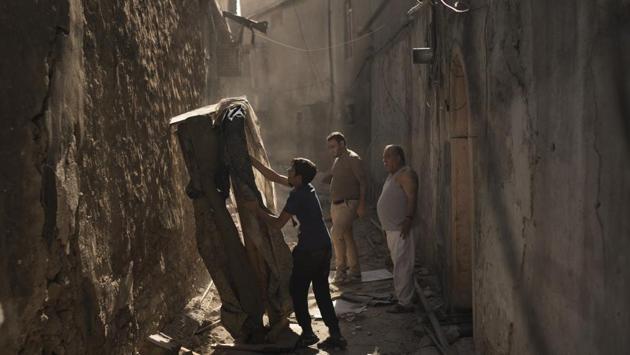
Overall, Washington has contributed $265 million to reconstruction since 2014, on top of $1.7 billion in humanitarian assistance in Iraq in contrast to $14.3 billion that it spent in fighting ISIS. Baghdad at first expected American money would flow in after the defeat of IS, said a senior U.S. official in Washington but Secretary of State Rex Tillerson has said the US is no longer in the business of “nation-building.” (Felipe Dana / AP)
13/13
 View Photos in a new improved layout
Updated on Dec 29, 2017 12:14 PM


