
 E-Paper



Photos: Japan’s ‘usho’ and the ancient art of cormorant fishing
Ukai, the profession of cormorant fishermen, was once a staple of waterside villages and towns throughout Japan and other parts of the world. But it has been on the gradual decline for centuries, and now lives on in Japan as a tourist attraction and a carefully protected part of the country's national heritage. Now there are only a few dozen usho throughout Japan, and just nine of them hold imperial licences, turning over eight catches a year to the palace and receiving a symbolic salary of 8,000 yen.
Updated on: Nov 01, 2018 11:59 AM IST

Share via


Copy link

1/11
 View Photos in a new improved layout
Updated on Nov 01, 2018 11:59 AM
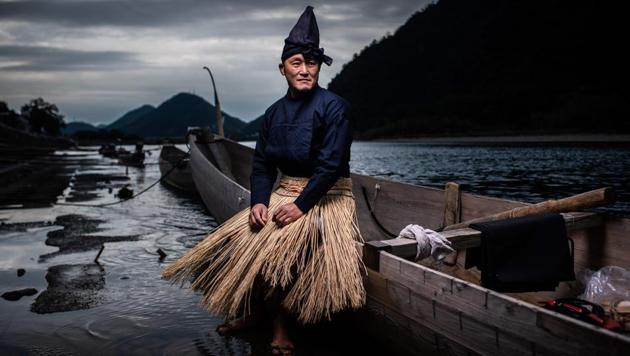
Cormorant master Shuji Sugiyama poses for a portrait in Gifu, Japan. As the night turns pitch black, fires burn alongside a river in Japan’s Gifu with a handful of men preparing for a ritual that dates back over 1,300 years: fishing with cormorants. (Martin Bureau / AFP)
2/11
 View Photos in a new improved layout
Updated on Nov 01, 2018 11:59 AM
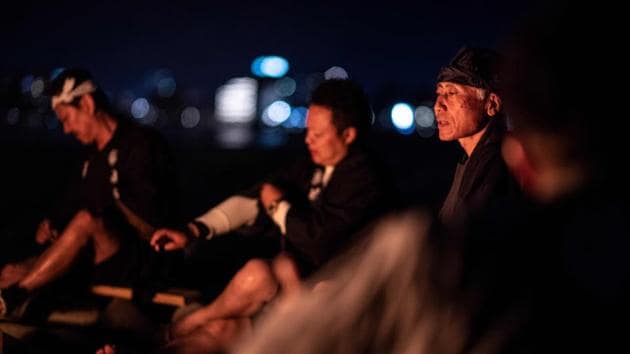
Cormorant masters and their assistants gather around a fire before fishing. Dressed in traditional clothes, they look like they come from another time. They wield their cormorants, tied together with strings, like puppeteers. Their profession, known as “ukai,” was once common in waterside villages and towns throughout Japan and other parts of the world. (Martin Bureau / AFP)
3/11
 View Photos in a new improved layout
Updated on Nov 01, 2018 11:59 AM
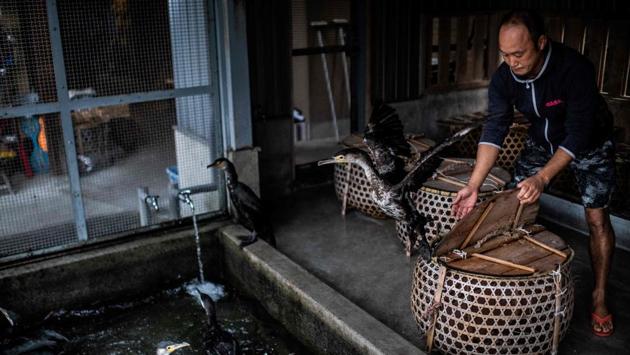
The practice has been on the gradual decline for centuries, and now lives on in Japan as a tourist attraction and a carefully protected part of the country’s national heritage. At 46, Shuji Sugiyama is the youngest of the “usho” in Gifu, in western Japan. And he is one of just nine people to hold an imperial licence for the practice. (Martin Bureau / AFP)
4/11
 View Photos in a new improved layout
Updated on Nov 01, 2018 11:59 AM
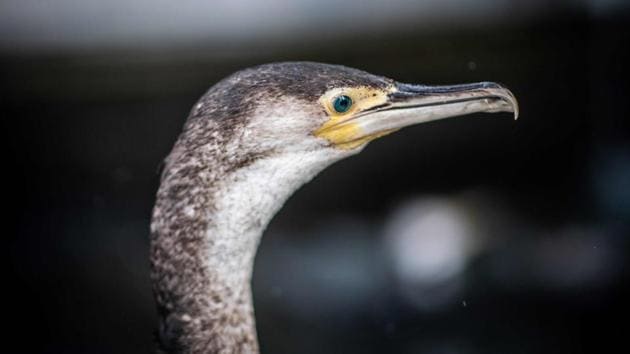
“It’s because we live together, the man and the cormorants, that ukai fishing is possible,” he told AFP, sitting quietly on a rock by the inky water of the Nagara River, undisturbed by the chatter of fellow fishermen. “For example, I could never fish with another master’s cormorants,” he added, feeling the throats of his birds as he prepares for the night’s expedition. (Martin Bureau / AFP)
5/11
 View Photos in a new improved layout
Updated on Nov 01, 2018 11:59 AM
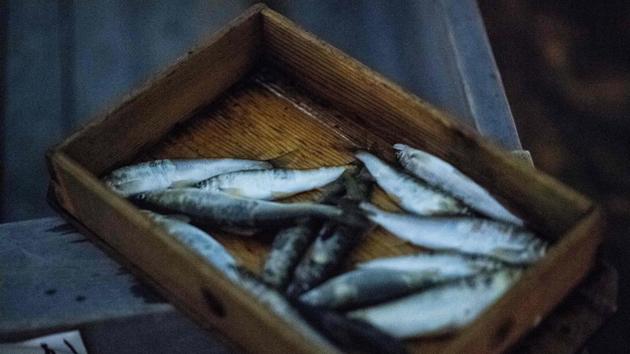
Centuries ago, the profession flourished, but by the time the palace began issuing imperial licences in 1890, the art was already on the decline. Now there are only a few dozen usho throughout Japan, and just nine with imperial licences, turning over eight catches a year to the palace and receiving a symbolic salary of 8,000 yen ($71) a month. (Martin Bureau / AFP)
6/11
 View Photos in a new improved layout
Updated on Nov 01, 2018 11:59 AM
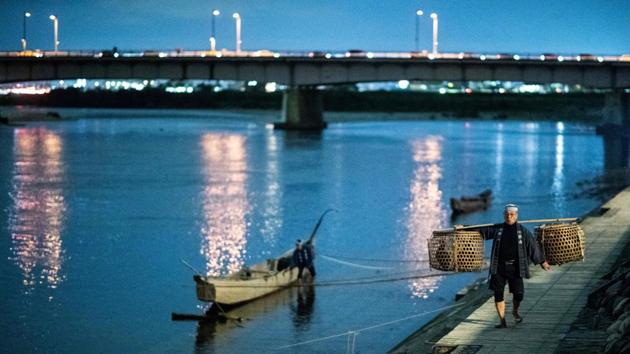
A cormorant master’s assistant carries baskets of the birds to a boat ahead of a fishing trip. The method is hardly a commercial enterprise, the usho rely on subsidies from local authorities, and hope to one day see ukai make the UNESCO World Heritage list. “Cormorant fishing is the biggest tourist draw we have in Gifu city,” local tourism division chief Kazuhiro Tada said. (Martin Bureau / AFP)
7/11
 View Photos in a new improved layout
Updated on Nov 01, 2018 11:59 AM
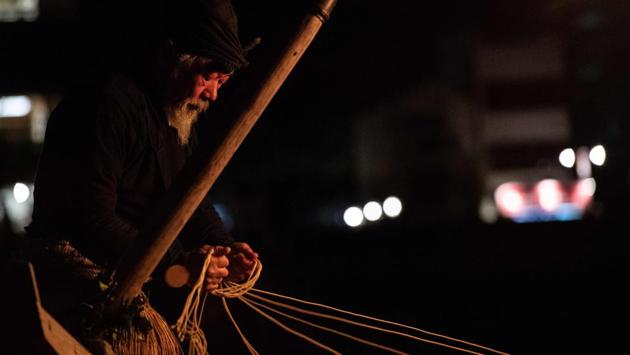
A cormorant master handles lines tied to his cormorants. Sugiyama inherited the job from his father, fishing alongside him until he obtained official usho status in 2002. Five generations of his family have practised the unusual fishing technique, which once existed in Europe and elsewhere but now continues mostly in Japan and China. (Martin Bureau / AFP)
8/11
 View Photos in a new improved layout
Updated on Nov 01, 2018 11:59 AM
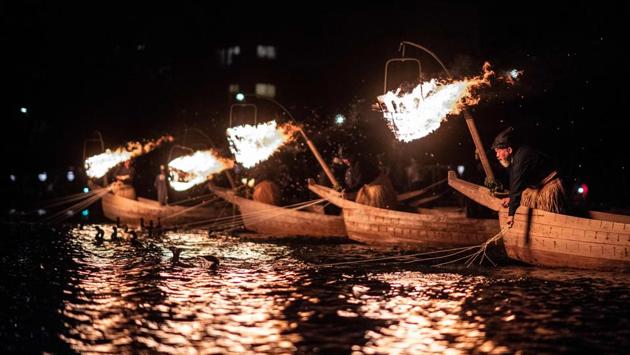
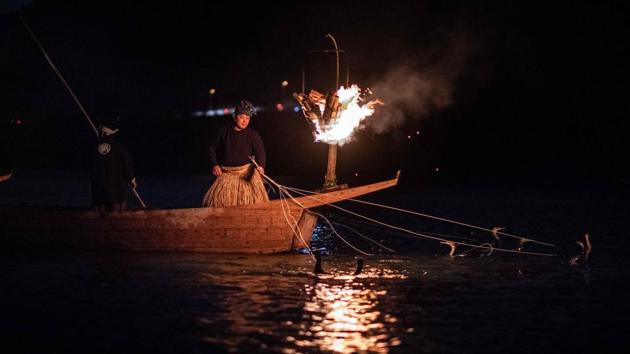
The job requires a tolerance for unusual hours -- fishing takes place after sundown, flaming torches are hung on the boats to attract the small trout known as “ayu”, and a draw determines the order the boats will move out in. And while the fishing season only runs from May until October, each fisherman’s cormorants require daily care all year round. (Martin Bureau / AFP)
9/11
 View Photos in a new improved layout
Updated on Nov 01, 2018 11:59 AM
The fishermen wear traditional outfits: a blue shirt and matching bulbous hat said to protect against the ashes of the lamps, long straw skirts to keep out water and cold, and truncated sandals that leave the heels exposed to prevent slipping. The cormorants are tied together, a string around their throat to prevent from eating the catch, leaving enough space to eat smaller fish. (Martin Bureau / AFP)
10/11
 View Photos in a new improved layout
Updated on Nov 01, 2018 11:59 AM
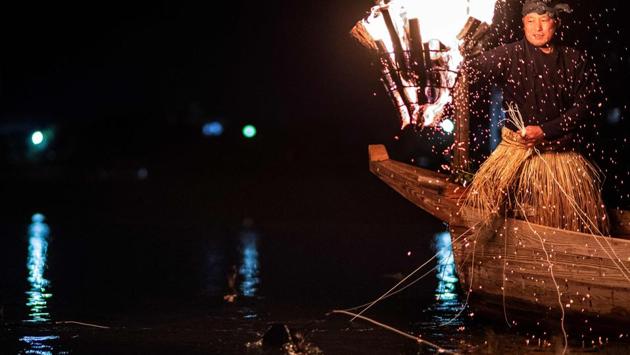
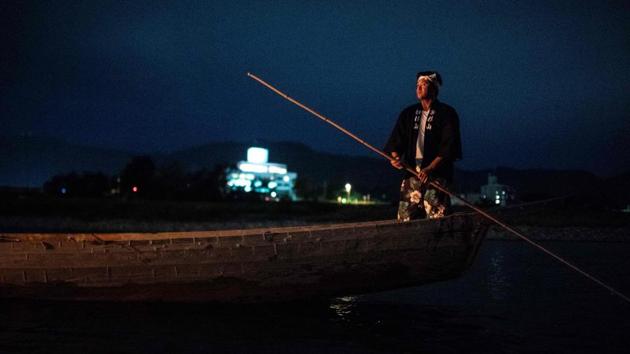
The birds are expert fishers and instantly kill their prey with their razor sharp beaks. When one surfaces with a fish, his usho pries it from the bird’s gullet, then sends it back into the water. At the peak of the catch, the air is full with the sound of squawking birds, shouting fisherman and the rhythmic tapping produced by boatmen banging sticks on the sides of the vessel. (AFP)
11/11
 View Photos in a new improved layout
Updated on Nov 01, 2018 11:59 AM


