
 E-Paper



Photos: Johannesburg wants to clear out downtown squatters for urban revival
As many as 100,000 people are living in hundreds of abandoned buildings across Johannesburg, one of Africa's wealthiest cities but also one of the world's most unequal, according to the World Bank. The mayor wants squatters cleared out to make way for an urban revival, with proposals to turn buildings over to private developers. Some of Johannesburg's decaying blocks have been turned into upscale venues with art galleries and coffee shops, in others squatters still live in squalid conditions risking health and violent crime.
Updated on: May 16, 2018 12:17 PM IST

Share via


Copy link

1/11
 View Photos in a new improved layout
Updated on May 16, 2018 12:17 PM
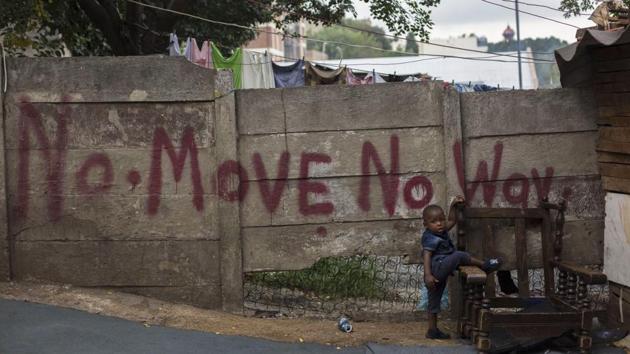
A toddler stands in front of a graffitied wall at an abandoned building occupied by squatters in downtown Johannesburg, South Africa. The city wants squatters cleared out to make way for an urban revival, with proposals to expropriate buildings and turn them over to private developers. (Bram Janssen / AP)
2/11
 View Photos in a new improved layout
Updated on May 16, 2018 12:17 PM
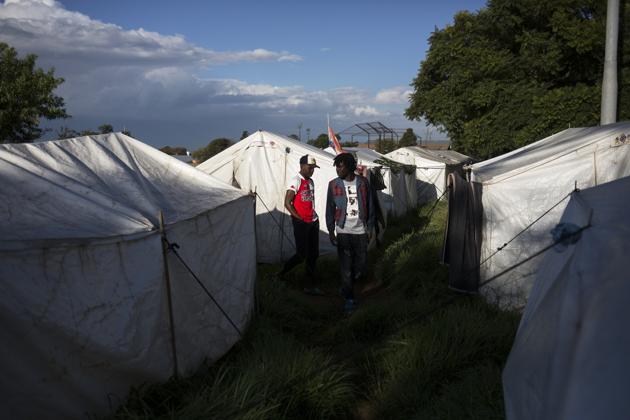
The previous administration said 16,000 housing units were needed for the inner city’s “most vulnerable” residents alone. The current administration says overall it faces a housing backlog of 300,000 units. This collection of tents on the edge of a sports field is what the city considers appropriate alternative housing while something more permanent is arranged. (Bram Janssen / AP)
3/11
 View Photos in a new improved layout
Updated on May 16, 2018 12:17 PM
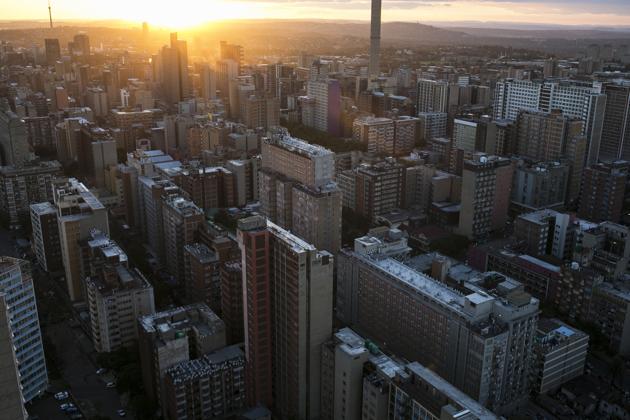
Downtown Johannesburg, South Africa. Some of Johannesburg’s decaying blocks have been turned into upscale venues with art galleries and coffee shops, the first steps to restoring vibrancy to the city’s downtown that many fled in the waning years of apartheid, or white minority rule, which ended in the early 1990s. (Bram Janssen / AP)
4/11
 View Photos in a new improved layout
Updated on May 16, 2018 12:17 PM
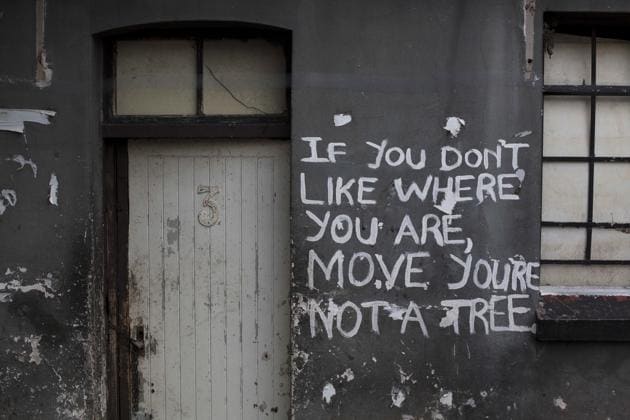
A message covers an abandoned building complex occupied by squatters. As many as 100,000 people are living in scores of abandoned buildings across downtown Johannesburg, one of Africa's wealthiest cities but also one of the world’s most unequal, according to the World Bank. (Bram Janssen / AP)
5/11
 View Photos in a new improved layout
Updated on May 16, 2018 12:17 PM
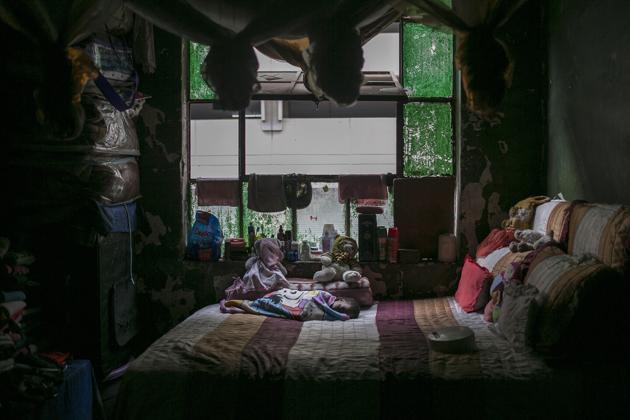
Two-year-old Makanake Angel sleeps on her mother’s bed inside an abandoned building. The buildings make an often dangerous home. Last month, three children were killed when a wall collapsed on them in the building their families shared with about 300 people. For eight months the residents had asked city officials for emergency housing, knowing conditions were unsafe. (Bram Janssen / AP)
6/11
 View Photos in a new improved layout
Updated on May 16, 2018 12:17 PM
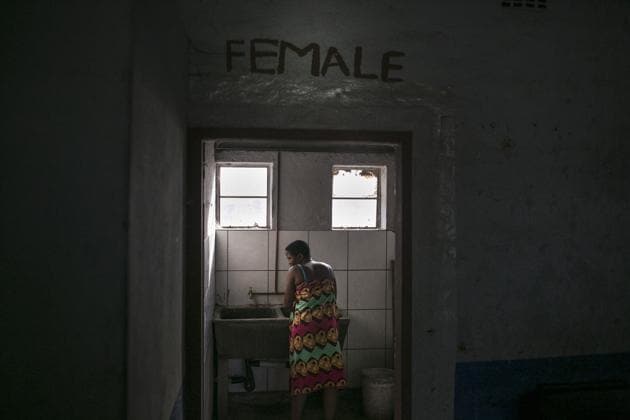
A woman washes clothing in the bathroom of an abandoned building occupied by mostly Malawian migrants. The state has the money and land and should provide housing at affordable prices, according to Stuart Wilson, the executive director of the Socio-Economic Rights Institute of South Africa, calling the city “not particularly keen” on public housing. (Bram Janssen / AP)
7/11
 View Photos in a new improved layout
Updated on May 16, 2018 12:17 PM
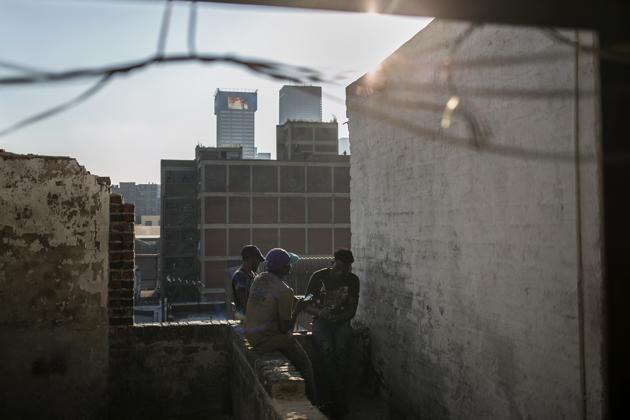
Malawian migrants sit on the rooftop of an abandoned building. Mayor Herman Mashaba has alarmed residents of South Africa’s largest city of more than 4.4 million people by accusing migrants from other countries for making up the majority of squatters, contributing to the xenophobia that periodically flares into violent attacks. Foreigners “are not the responsibility of the city,” he said last year. (Bram Janssen / AP)
8/11
 View Photos in a new improved layout
Updated on May 16, 2018 12:17 PM
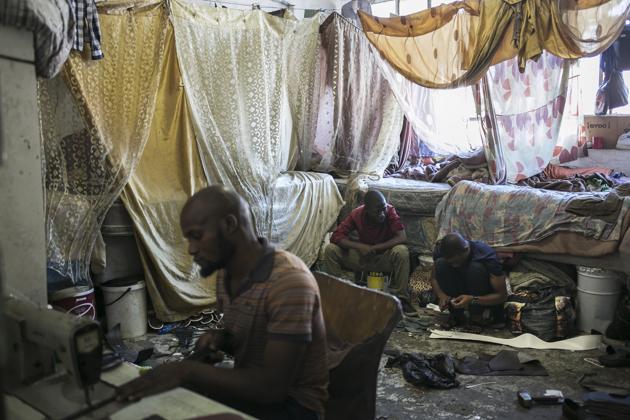
Malawian migrant shoe makers work inside their bedroom inside an abandoned building they occupy in downtown Johannesburg. Squatters say they want to see redevelopment that would give them a proper home, not force them to leave. (Bram Janssen / AP)
9/11
 View Photos in a new improved layout
Updated on May 16, 2018 12:17 PM
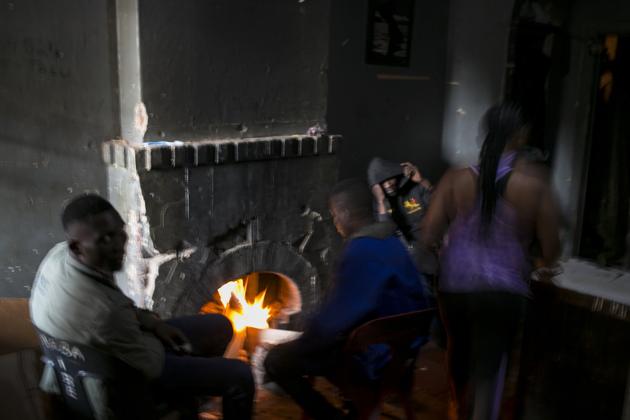
People warm themselves by a fire place in an abandoned building they occupy in downtown Johannesburg. Some squatters work as security guards, domestic workers and small traders in neighbourhoods nearby, while others are unemployed, hustle or turn to crime. (Bram Janssen / AP)
10/11
 View Photos in a new improved layout
Updated on May 16, 2018 12:17 PM
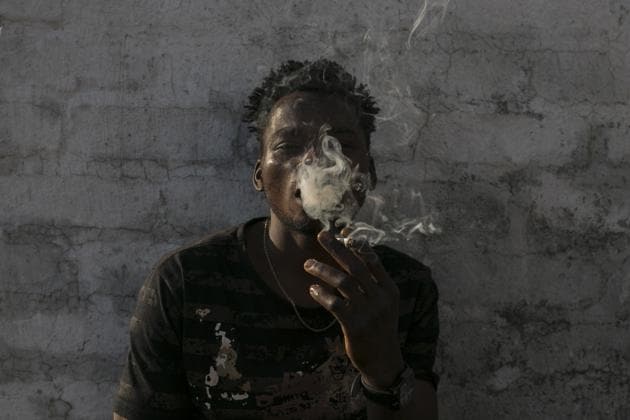
Malawian migrant Jonas smokes marihuana on a rooftop. For now, tens of thousands of squatters, and others who say they pay nominal rents, are left in a filthy limbo without basic services and at the mercy of Johannesburg’s high rate of crime. Residents say they are disgusted by their living conditions. (Bram Janssen / AP)
11/11
 View Photos in a new improved layout
Updated on May 16, 2018 12:17 PM


