
 E-Paper



Photos: Junk food alms bring health ailments to Thailand monks
Thais boast some of the highest rates of obesity in Asia, according to the Asian Development Bank and Buddhist devotees have been showering monks -- who are deeply respected in Thailand -- with foods loaded with sugar, fat and oil, contributing to a brewing health crisis. A 2016 survey of monks by the Faculty of Allied Health Sciences at Chulalongkorn University in Bangkok found rates of obesity soaring as high as 48%, with 42% suffering from high blood pressure.
Updated on: Nov 23, 2018 9:58 AM IST

Share via


Copy link

1/10
 View Photos in a new improved layout
Updated on Nov 23, 2018 9:58 AM
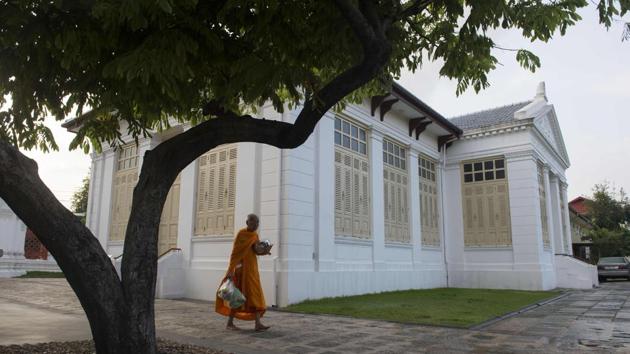
Every morning Buddhist monk Pipit Sarakitwinon walks around his temple and does hundreds of arm exercises, part of a new regimen aimed at shedding pounds as a health overhaul for members of the clergy gathers pace in Thailand. “Before I dieted I could barely walk 100 metres without getting tired”, Pipit, 63, said during a check-up at a hospital for monks in Bangkok, adding that he used to weigh 180 kgs. (Romeo Gacad / AFP)
2/10
 View Photos in a new improved layout
Updated on Nov 23, 2018 9:58 AM
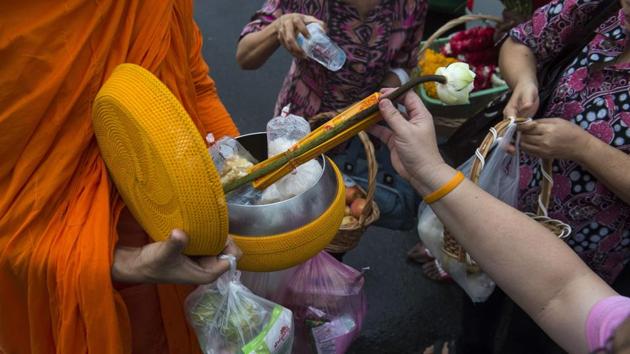
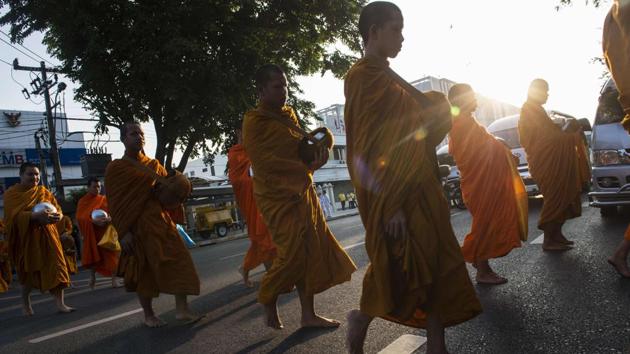
Thais seeking to earn merit and honour their ancestors often provide food to monks on their daily rounds but they can be generous to a fault. Heavy curries, sugary sweets, sodas and salty snacks are among the array of sumptuous -- and unhealthy -- alms. (Romeo Gacad / AFP)
3/10
 View Photos in a new improved layout
Updated on Nov 23, 2018 9:58 AM
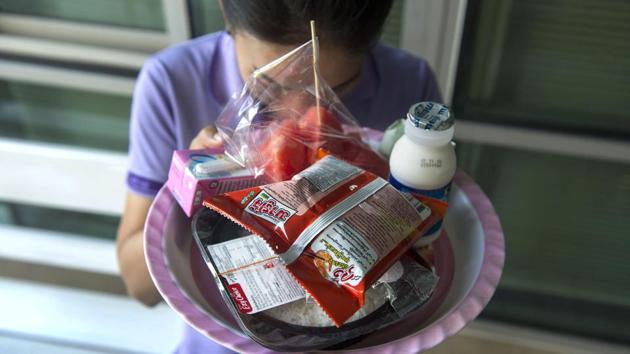
“If they eat our food and are satisfied, we feel comfort that that food will be transferred to our loved ones,” said Prachaksvich Lebnak, deputy secretary general at the National Health Security Office. “Some people even give monks cigarettes,” he added, in a symbolic offering to ancestors who were heavy smokers. (Romeo Gacad / AFP)
4/10
 View Photos in a new improved layout
Updated on Nov 23, 2018 9:58 AM
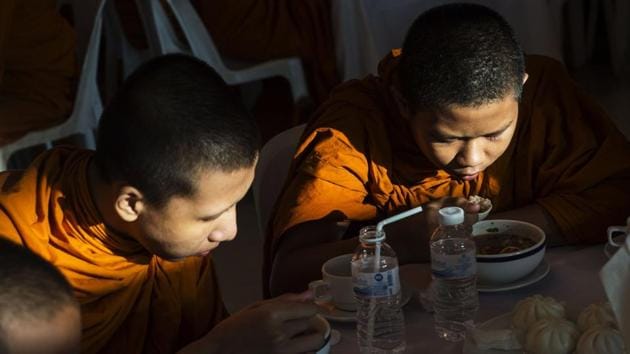
Thais boast some of the highest rates of obesity in Asia and members of the clergy are among the worst-hit. Buddhist precepts forbid monks from eating after noon and Buddha himself was said to have told followers to refrain from meals late in the day. But certain juices -- referred to as pana -- are allowed, making them perfect delivery vehicles for sugar. (Romeo Gacad / AFP)
5/10
 View Photos in a new improved layout
Updated on Nov 23, 2018 9:58 AM
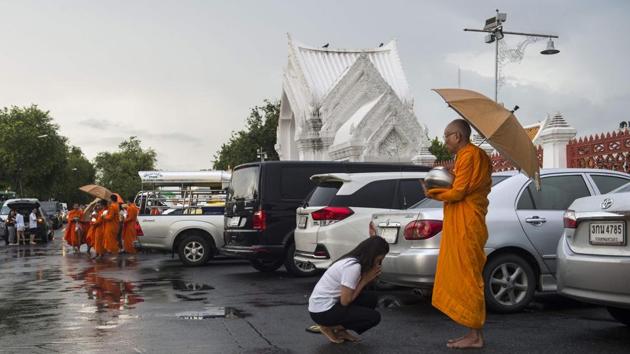
Pre-packed alms that include processed foods are also easily available at Thai stores, exacerbating the problem. Although new guidelines call on monks to look after their health so they can be “ready to deliver Buddha’s teachings”, refusing devotees’ offerings is a delicate subject. (Romeo Gacad / AFP)
6/10
 View Photos in a new improved layout
Updated on Nov 23, 2018 9:58 AM
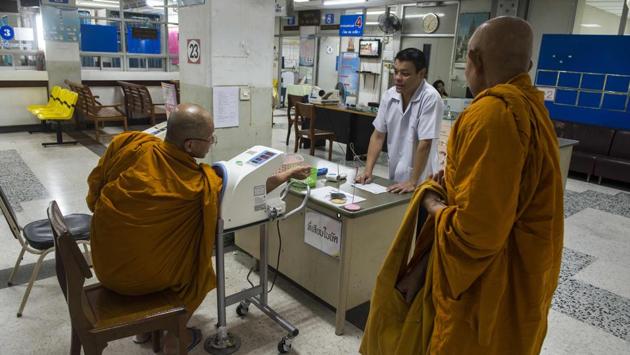
“According to Lord Buddha’s teaching, whatever they offer, we have to accept. We can’t deny, we can’t reject,” said Phra Rajvoramuni, the assistant abbot at Sungvej temple in Bangkok who helped author the new charter. Rajvoramuni hopes that health education -- including training clergy to run basic medical check-ups -- will bring about change. (Romeo Gacad / AFP)
7/10
 View Photos in a new improved layout
Updated on Nov 23, 2018 9:58 AM
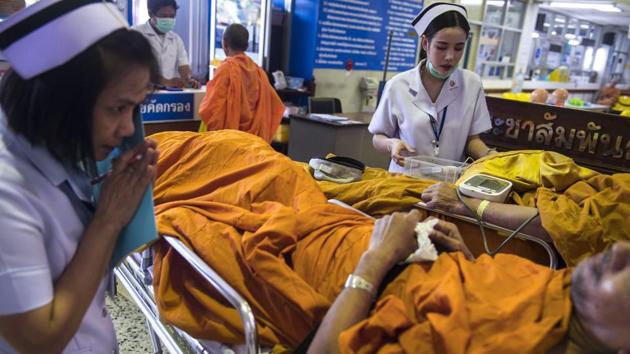
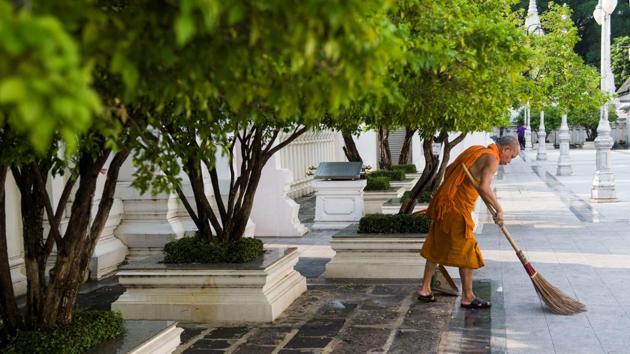
“The monks also should do something, like exercise... like walking meditation, cleaning the temple in the morning, sweeping the grounds,” he said. The guidelines follow smaller-scale initiatives in rural Thailand. Since monks tend to move from one temple to the next, many don’t visit doctors or dentists for check-ups, he said. (Romeo Gacad / AFP)
8/10
 View Photos in a new improved layout
Updated on Nov 23, 2018 9:58 AM
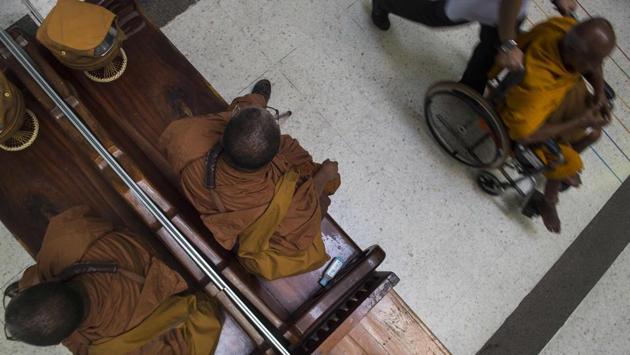
Phra Bhavana Dhamakosit, the abbot at Wat Phochai in Nongkhai province, told AFP the temple started medical check-ups three years ago, with obesity and high blood pressure being common issues. Although the new plan also instructs followers to make healthier offerings, religious leaders are wary of applying too much pressure on the faithful. (Romeo Gacad / AFP)
9/10
 View Photos in a new improved layout
Updated on Nov 23, 2018 9:58 AM
“It’s better and more effective to ask monks to refrain from eating certain kinds of food”, Bhavana said. Chulalongkorn University’s Jongjit Angkatavanich, who carried out the 2016 survey, said she expected “tangible change (to) take three years” at least. (Romeo Gacad / AFP)
10/10
 View Photos in a new improved layout
Updated on Nov 23, 2018 9:58 AM


