
 E-Paper



Photos: Migrants sustain sea crossing to Yemen to disembark in hell
Tens of thousands of East African migrants depart for Yemen each year hoping to pass through to Saudi Arabia, where good jobs await. But many who land in the Yemeni town of Ras Al-Ara encounter torture. Zahra, one such 20-year-old Ethiopian struggled through the blue waters of the Gulf of Aden, grasping for the hands of fellow migrants only to see men armed with automatic rifles waiting for them on the beach. With its systematic torture, the coastal village of Ras al-Ara is a particular hell on the arduous journey from the Horn of Africa to oil-rich Saudi Arabia.
Updated on: Nov 01, 2019 10:16 AM IST

Share via


Copy link

1/8
 View Photos in a new improved layout
Updated on Nov 01, 2019 10:16 AM
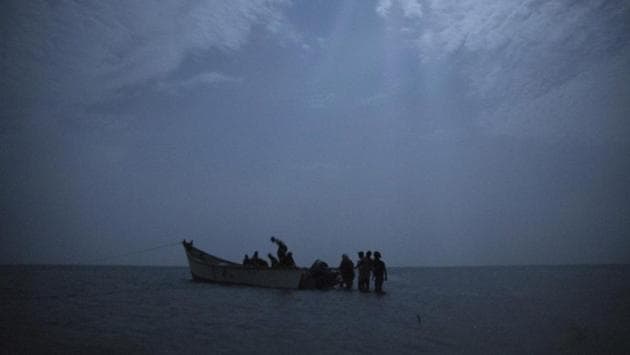
Ethiopian migrants board a boat on the uninhabited coast outside the town of Obock, Djibouti, the shore closest to Yemen. Tens of thousands of East African migrants depart for Yemen each year hoping to pass through to Saudi Arabia, where good jobs await. But many who land in the Yemeni town of Ras Al-Ara encounter extortion, rape and torture. (Nariman El-Mofty / AP)
2/8
 View Photos in a new improved layout
Updated on Nov 01, 2019 10:16 AM
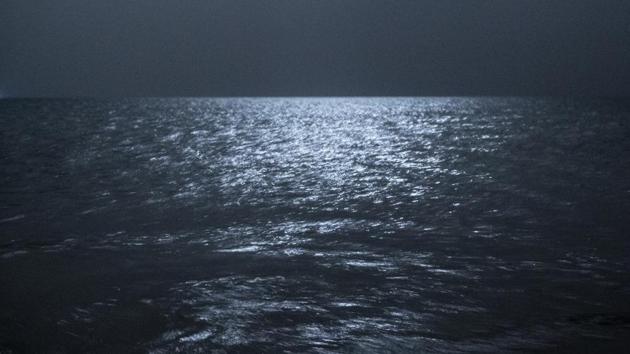
Zahra struggled in the blue waters of the Gulf of Aden, grasping for the hands of fellow migrants. The 20-year-old Ethiopian saw men armed with automatic rifles waiting for them on the beach and she clenched in terror. She had heard migrants’ stories of brutal traffickers, lurking like monsters in a nightmare. They are known by the Arabic nickname Abdul-Qawi — which means Worshipper of the Strong. “What will they do to us?” Zahra thought. (Nariman El-Mofty / AP)
3/8
 View Photos in a new improved layout
Updated on Nov 01, 2019 10:16 AM
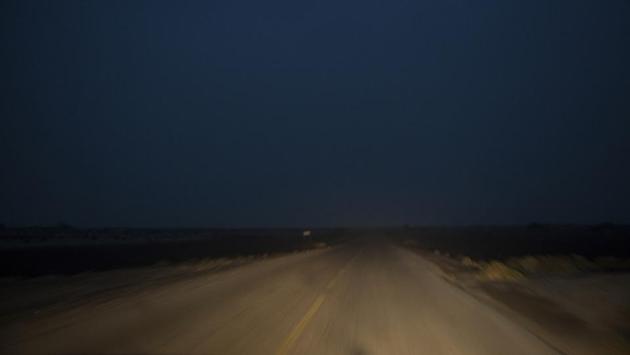
She and 300 other Africans had just endured six hours crammed in a wooden smuggling boat to cross the narrow strait between the Red Sea and the gulf. When they landed, the traffickers loaded them into trucks and drove them to ramshackle compounds in the desert outside the coastal village of Ras al-Ara. There was Zahra’s answer. (Nariman El-Mofty / AP)
4/8
 View Photos in a new improved layout
Updated on Nov 01, 2019 10:16 AM
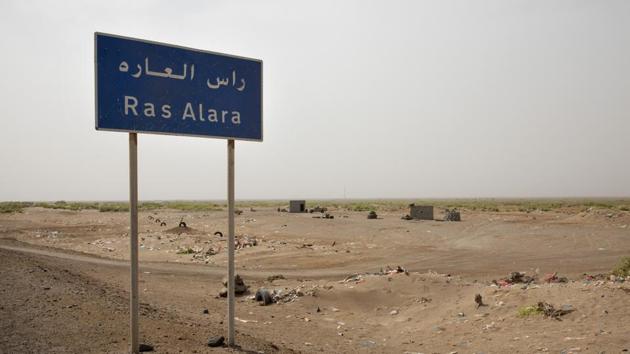
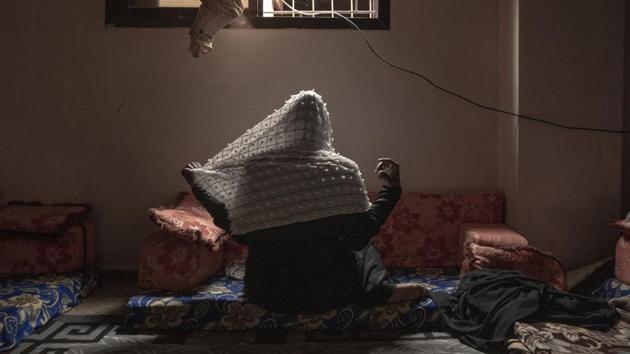
She was imprisoned for a month in a tin-roofed hut, broiling and hungry, ordered to call home each day to beseech her family to wire $2,000. She said she did not have family to ask for money and pleaded for her freedom. Instead, her captors raped her. And they raped the 20 other women with her for weeks. “They used each of the girls,” she said. “Every night there was rape.” (Nariman El-Mofty / AP)
5/8
 View Photos in a new improved layout
Updated on Nov 01, 2019 10:16 AM
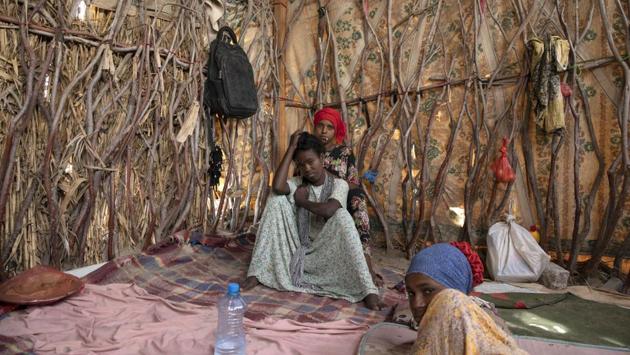
With its systematic torture, Ras al-Ara is a particular hell on the arduous, 1,400 kilometre journey from the Horn of Africa to oil-rich Saudi Arabia. Migrants leave home on sandaled feet with dreams of escaping poverty. They trek through mountains and deserts, sandstorms and 45 degree Celsius temperatures, surviving on crumbs of bread and salty water from ancient wells. (Nariman El-Mofty / AP)
6/8
 View Photos in a new improved layout
Updated on Nov 01, 2019 10:16 AM
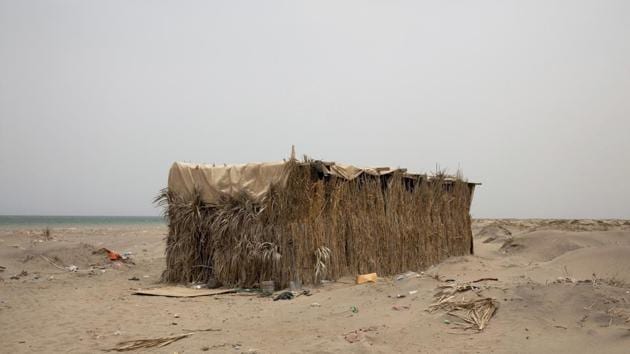
A hosh owned by smugglers where migrants stay after their arrival, in Lahj, Yemen. Nearly every migrant who lands in the nearby village of Ras al-Ara is imprisoned in hidden compounds while their families are shaken down for money. (Nariman El-Mofty / AP)
7/8
 View Photos in a new improved layout
Updated on Nov 01, 2019 10:16 AM
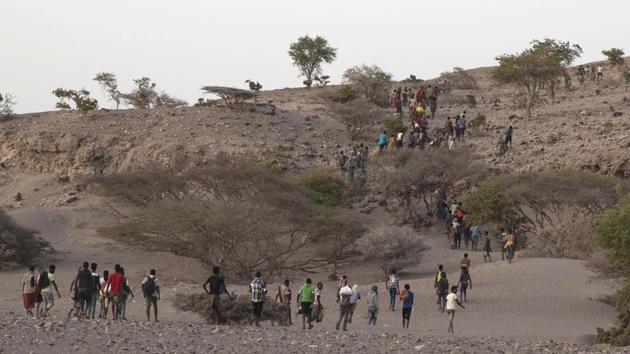
In Djibouti, long lines of migrants descend single file down mountain slopes to the rocky coastal plain, where many lay eyes on the sea for first time and eventually board the boats. Some find their way safely across war-torn Yemen to Saudi Arabia, only to be caught and tossed back over the border. The lucky ones make it into the kingdom to earn their livings as a servant and labourers. (Nariman El-Mofty / AP)
8/8
 View Photos in a new improved layout
Updated on Nov 01, 2019 10:16 AM


