
 E-Paper



Photos: New criminal law in Philippines catalyst for abuse in children homes
Officially called "Houses of Hope", proponents in the Philippines say such facilities are places for reformation and education, but critics slam many of them as "hellholes" where children are treated like caged animals. Rights' groups warn a proposed bill to lower the age of criminal responsibility from 15 to 12, will mean thousands more children will be sent to overcrowded and underfunded centres leaving them vulnerable to mistreatment.
Updated on: Jul 23, 2019 12:55 PM IST

Share via


Copy link

1/9
 View Photos in a new improved layout
Updated on Jul 23, 2019 12:55 PM
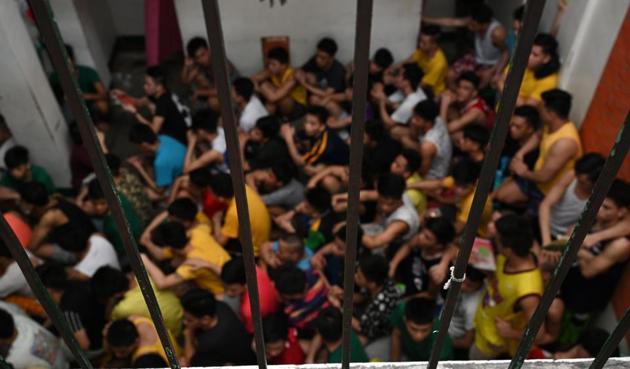
Minors held at a juvenile detention centre, gather for roll call in Malolos town, Bulacan province, north of Manila. Officially called “Houses of Hope”, proponents in the Philippines say such facilities are places for reformation and education, but critics slam many of them as “hellholes” where children are treated like caged animals. (Ted Aljibe / AFP)
2/9
 View Photos in a new improved layout
Updated on Jul 23, 2019 12:55 PM
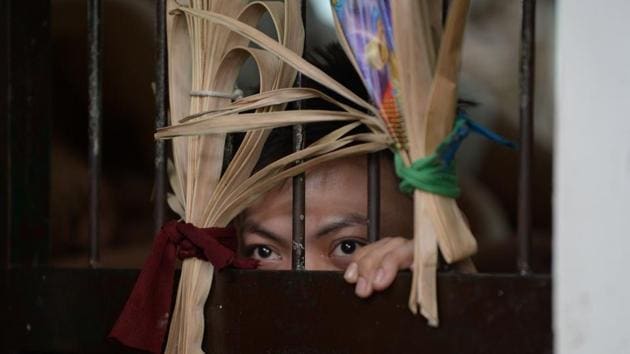
Eleven-year-old Jerry’s crime was breaking curfew laws after fleeing violence at home. After he was sent to a youth detention centre, he endured sexual abuse. “I felt so dirty. That was the first time it happened to me,” as he recalled the night he was pulled from his bed and attacked by older boys.”I cannot forget the sexual abuse.” He left home to escape beatings from his father and ended up sleeping on the streets. (Ted Aljibe / AFP)
3/9
 View Photos in a new improved layout
Updated on Jul 23, 2019 12:55 PM
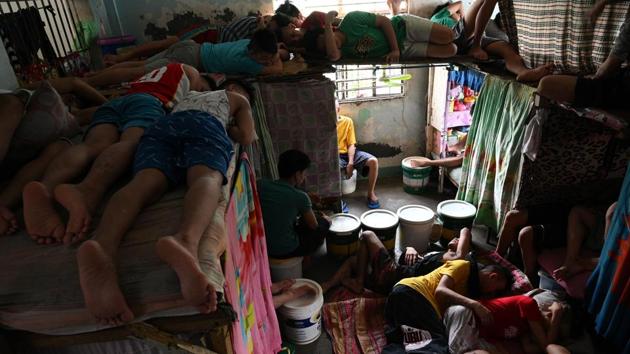
Rights’ groups say a pending bill to lower the age of criminal responsibility from 15 to 12, will mean many more children could be held in the nation’s overcrowded facilities. Watchdogs and former wards warn planned legislation to criminalise children as young as 12 and then detain them with older teens and in some cases adults will put those least able to defend themselves at risk. (Ted Aljibe / AFP)
4/9
 View Photos in a new improved layout
Updated on Jul 23, 2019 12:55 PM
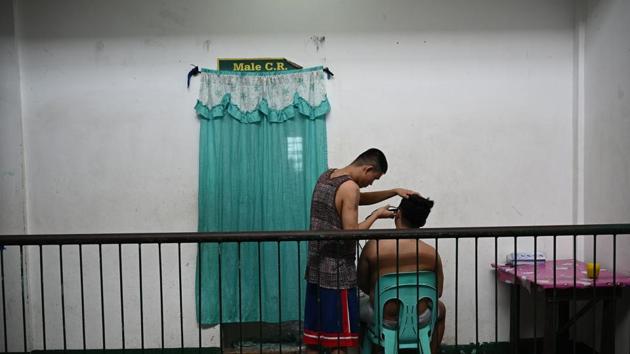
“There is a higher potential for abuse because the government is not prepared,” said Melanie Ramos-Llana of Child Rights Network Philippines.”You put more children into Houses of Hope which are not equipped, lack personnel and programmes, you will have problems. Jails or detention centres are not places for children,” she added. (Ted Aljibe / AFP)
5/9
 View Photos in a new improved layout
Updated on Jul 23, 2019 12:55 PM
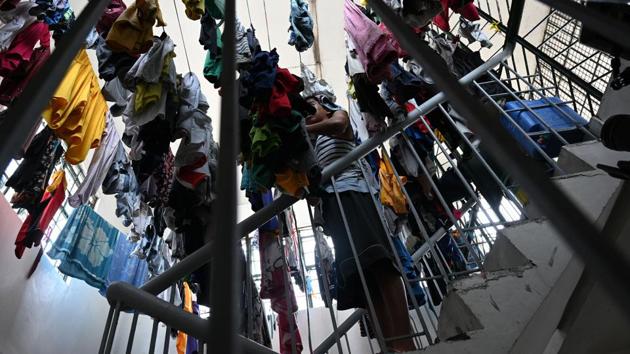
A minor held at a juvenile detention centre collects his laundry in Malolos town. Youth advocate Louise Suamen warns mixing youngsters who have committed minor infringements with older criminals could create a “school of crime”. (Ted Aljibe / AFP)
6/9
 View Photos in a new improved layout
Updated on Jul 23, 2019 12:55 PM
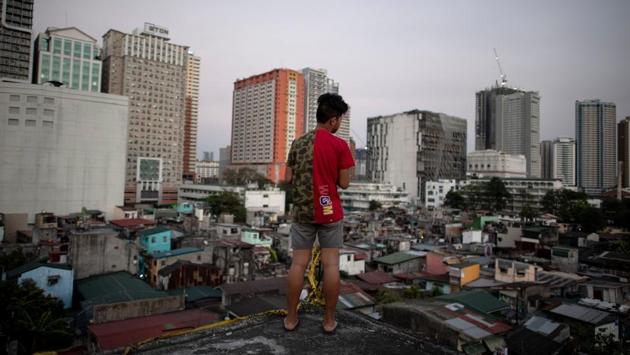
Justin, who was 17 when he was brought to a youth centre in the capital in 2017, said other boys beat him on the pretext he had broken house rules. “They would punch us in the chest, stomach and sometimes the chin. It was so painful. I learned to be callous there because of what they did to me and I wanted revenge,” he said. (Noel Celis / AFP)
7/9
 View Photos in a new improved layout
Updated on Jul 23, 2019 12:55 PM
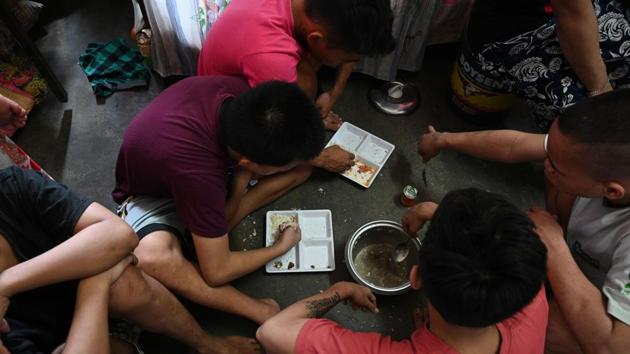
There are 55 government-run Houses of Hope nationwide, but this is well short of the 114 the Philippines has estimated it needs to properly house troubled juveniles. According to official data only eight comply with social welfare rules. These guidelines include having one social worker for every 25 children, providing one bed per resident along with nutritious meals, clothing, toiletries and rehabilitation programmes. (Ted Aljibe / AFP)
8/9
 View Photos in a new improved layout
Updated on Jul 23, 2019 12:55 PM
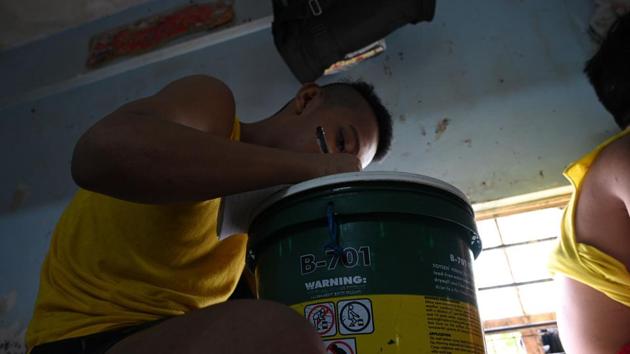
A minor held at a juvenile detention centre writes on top of a paint container. Tristan, 15, was relieved when he was transferred to a House of Hope in Manila after being held in an adult jail on a drug trafficking charge he said police fabricated. “I thought it would be a lovely home. But it was also a prison, a prison for children,” he said. (Ted Aljibe / AFP)
9/9
 View Photos in a new improved layout
Updated on Jul 23, 2019 12:55 PM


