
 E-Paper



Photos: Night in Philippine slum revives spectre of Duterte’s drug war
In the Philippine capital of Manila, the results of President Rodrigo Duterte's drug war have jolted residents of shanty towns like Market 3, where night brings with it memories of those killed so far and the fear of being caught up in violent police crackdowns.
Updated on: Feb 07, 2018 9:28 AM IST

Share via


Copy link

1/12
 View Photos in a new improved layout
Updated on Feb 07, 2018 9:28 AM
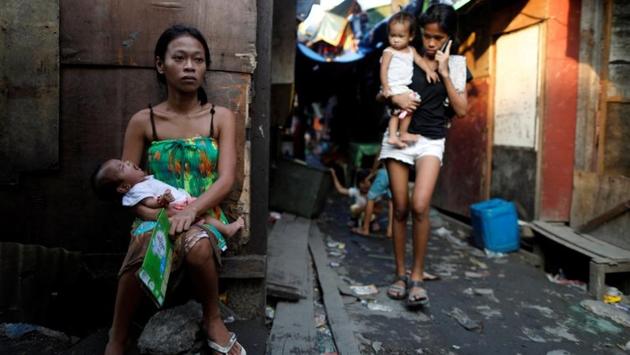
Residents outside shanties in Market 3, Manila. As night falls in the Philippine capital, few of the 700 families living in this portside shanty town venture out into the crime-ridden maze of sheet metal, crumbling cement and wooden boards -- a frontline of the bloody war on illegal drugs that has defined Rodrigo Duterte’s presidency since it was unleashed in June 2016. (Dondi Tawatao / REUTERS)
2/12
 View Photos in a new improved layout
Updated on Feb 07, 2018 9:28 AM
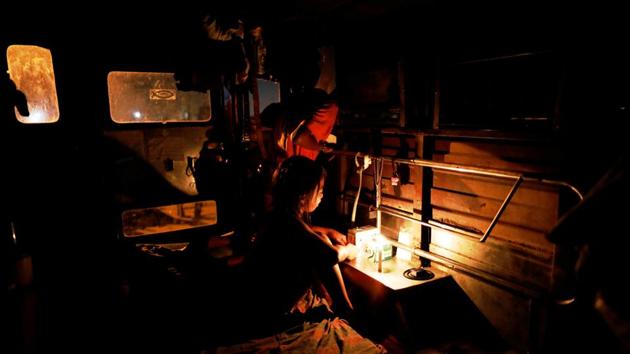
A man whose wife was arrested during an anti-drug operation, coughs outside a window while his daughter plays with candles. Dozens living along the slum’s dirt-floor alleys have wound up dead. The community lives in fear of masked men, or police and their notorious “Tokhang” operations, where officers are required to knock on doors of suspected dealers to urge them to surrender. Visits that have proven fatal. (Dondi Tawatao / REUTERS)
3/12
 View Photos in a new improved layout
Updated on Feb 07, 2018 9:28 AM
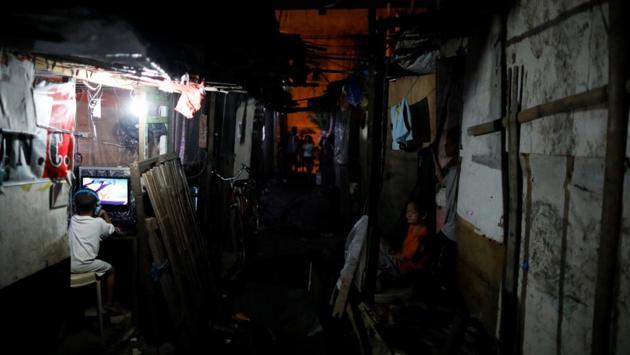
A boy uses a computer at an internet shop in Market 3. Bullet-ridden corpses are found hours or days later, often just a few minutes away, although police deny illegal killings. But frequent police operations and shadowy murders have hit the slum hard and residents say more blood has been spilled since Duterte was elected on the promise to wipe out drugs and crime in six months. (Dondi Tawatao / REUTERS)
4/12
 View Photos in a new improved layout
Updated on Feb 07, 2018 9:28 AM
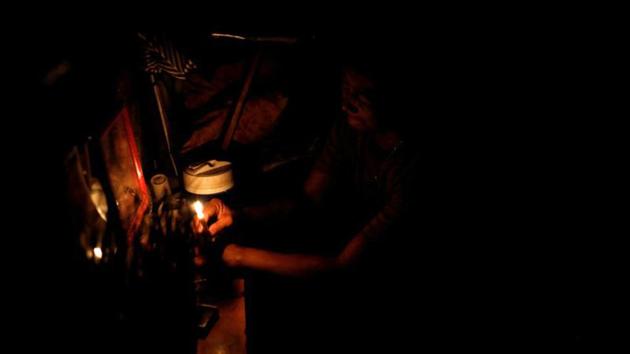
A woman lights candles at a shrine in front of a picture of her 23-year-old son, who was killed during an anti-drug operation, inside her shanty. “We can’t really count them anymore,” Nenita Bravo, a 56-year-old resident told Reuters, referring to those killed, adding that she had witnessed many killings in the area. “We can’t really count them because there’s been so many.” (Dondi Tawatao / REUTERS)
5/12
 View Photos in a new improved layout
Updated on Feb 07, 2018 9:28 AM
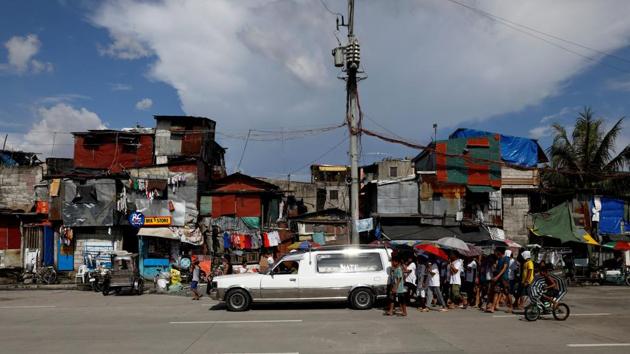
Family and friends of a shooting victim from Market 3 take part in the funeral march along North Bay Boulevard. “Since Duterte came, that’s when there was a rise in killings. It was pitiful, especially so for the many women killed,” said Visitacion Castellano, 73, a long-time resident. “They should have given them years. Put them in jail. But not kill.” (Dondi Tawatao / REUTERS)
6/12
 View Photos in a new improved layout
Updated on Feb 07, 2018 9:28 AM
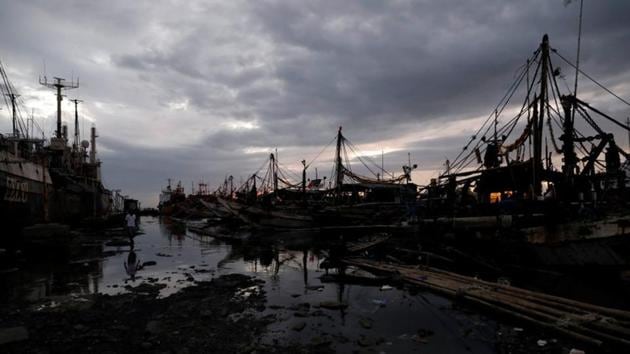
In Spanish colonial times, Navotas, as the area was known before the patchwork of shanties emerged, was the home of a middle class that lived off the sea as owners of fishing boats or shipbuilders. Today, employment is in short supply. (Dondi Tawatao / REUTERS)
7/12
 View Photos in a new improved layout
Updated on Feb 07, 2018 9:28 AM
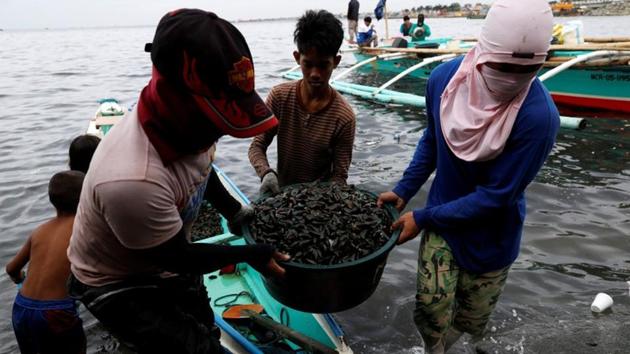
And while life is hard, people get by, with men jumping from one informal job to the next, such as scavenging or unloading fish from trawlers. Scarcity fuels desperation and the desperate turn to crime, or dealing and using drugs, mostly “shabu”, the methamphetamine Duterte says could destroy a generation of Filipinos. (Dondi Tawatao / REUTERS)
8/12
 View Photos in a new improved layout
Updated on Feb 07, 2018 9:28 AM
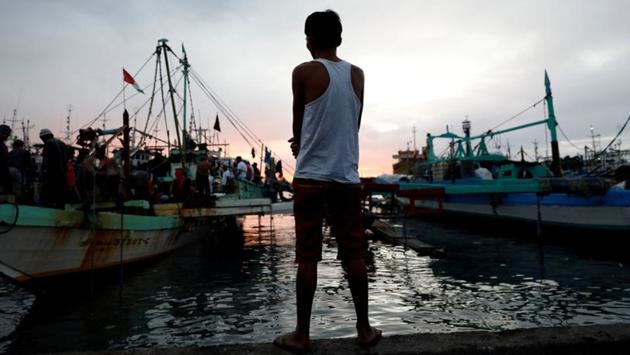
A man, whose wife was arrested in an anti-drug operation and found dead a day later, stands near fishing boats. The 28-year-old man was a shabu user and dealer himself. During one of the deadliest chapters of the drug war in August 2016, he said his partner and mother of his children was murdered, her body found riddled with bullet wounds in the head and chest. (Dondi Tawatao / REUTERS)
9/12
 View Photos in a new improved layout
Updated on Feb 07, 2018 9:28 AM
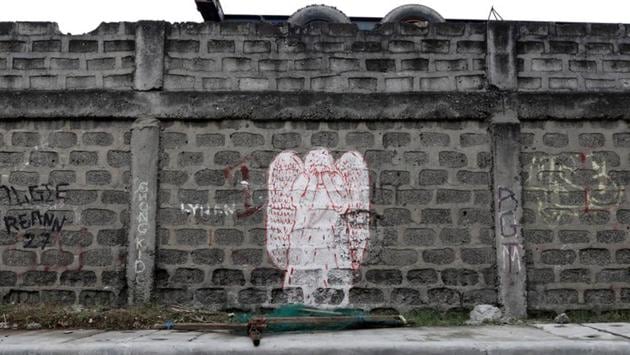
A crying angel is painted on a wall to mark a place where a woman was found dead after a police operation. The former drug user, who refused to give his name fearing reprisals, fled Market 3 like many of his friends who did the same, or are now dead. He even tried to take his own life. (Dondi Tawatao / REUTERS)
10/12
 View Photos in a new improved layout
Updated on Feb 07, 2018 9:28 AM
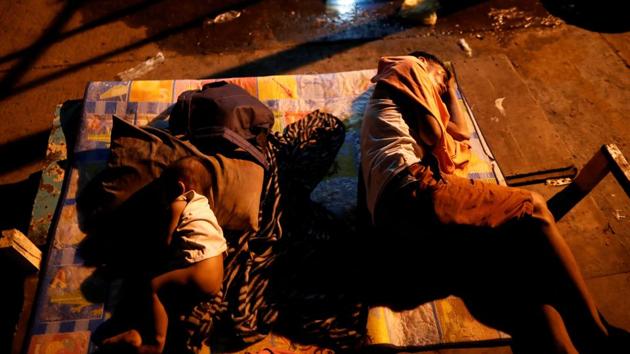
Homeless and in poor health due to tuberculosis, nuns now take care of his youngest children. He spends his days at the port waiting for scraps of fish from trawlers. His dream is to regain strength so he can work and build a home for his children, free of drugs and police raids. “My only concern now is for my four kids to have a different life,” he said. (Dondi Tawatao / REUTERS)
11/12
 View Photos in a new improved layout
Updated on Feb 07, 2018 9:28 AM
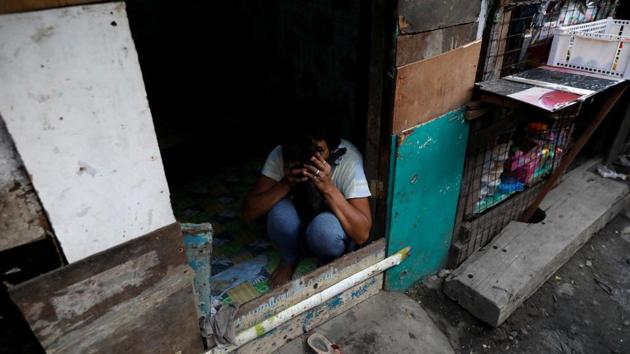
Another woman told Reuters that four of her seven children are in prison, three on drug charges and one accused of murder. Her youngest son was killed in June 2016 in what police said was a sting operation in which he was armed, and refused to go quietly, a typical description of the almost 4,000 cases in which a suspected drug dealer was killed. (Dondi Tawatao / REUTERS)
12/12
 View Photos in a new improved layout
Updated on Feb 07, 2018 9:28 AM


