Vigilance committees, unpleasant work and young adults in the same sentence might suggest a dilemma that few would opt to take on directly, leave alone voluntarily.
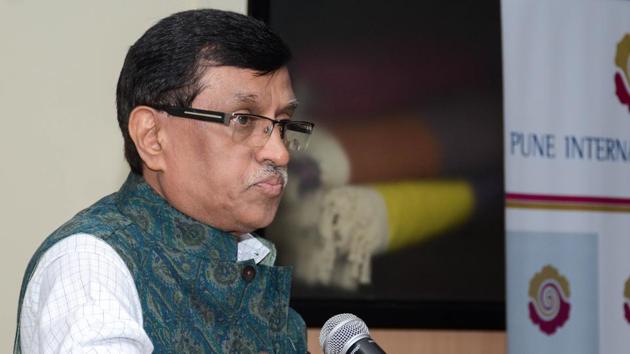
However, Neelam Gorhe, deputy chairperson, Maharashtra Legislative Council and Shiv Sena legislature, is no stranger to tough take-ons.
Her speech in Pune on Sunday, at an event organised by Pune International Centre, tackled the toughest of post-modern social dilemmas - aftercare of young adult orphans.
The reference for the occasion, which took place at Yashda auditorium, is a policy paper on the subject written by Prabhakar Karandikar, former divisional commissioner of Pune and Aditya Charegaonkar, doctoral research scholar, Tata Institute of Social Sciences.
“Social justice, women and child development has not always been a priority for the government, which leads, to a ‘waste paper basket approach’ towards certain issues. Hence, NGOs that are doing good work can be involved in this regard and Dakshata committees (vigilance committee) can be formed to avoid any unpleasant incident,’’ added Gorhe.
The policy paper presents various problems that are being faced by orphans who are 18-years of age or older. The paper also gives recommendations regarding proper identification and documentation of young adult orphans, educational and job-related reservations and overall well-being of these young adults after leaving the institutional care.
According to Karandikar, young adult orphans have been largely neglected. There are problems such as lack of infrastructure and funds.
{{/usCountry}}According to Karandikar, young adult orphans have been largely neglected. There are problems such as lack of infrastructure and funds.
{{/usCountry}}Ajit Nimbalkar, former chief secretary of Maharashtra said, “The government and the society have the shared responsibility of equally taking care of the young adult orphans. Hence, awareness must be created among the society regarding this, while taking follow-ups with the government regarding consideration of the recommendations of this policy paper presented by Pune International Centre .’’