E-Paper



Bengaluru homebuyers shun main-road properties, opt for quieter bylanes amid pollution concerns
Bengaluru homebuyers say that they prefer the quieter environment of inner-lane apartments over main-road apartments amid rising air pollution concerns

 Prefer HTon Google


Bengaluru homebuyers are increasingly opting for apartments located in bylanes, typically 100–200 metres away from main roads, as concerns over dust, air pollution and noise from high-traffic corridors grow. Real estate brokers say this shift is reshaping buyer preferences toward units with interior-facing views and quieter layouts.
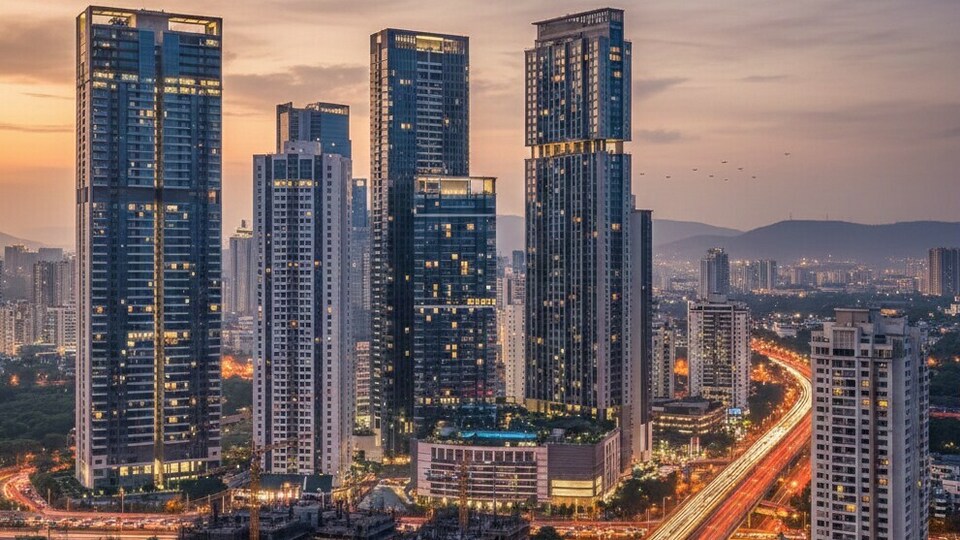
While main-road-facing homes may offer quicker price appreciation, they often become a long-term headache for end-users. Air pollution remains the biggest concern, with constant exposure to vehicle exhaust, PM2.5 and PM10 pollutants, diesel fumes and construction dust. As a result, many buyers now believe a quiet inner-lane apartment far outweighs the appeal of a ‘main-road view’ when it comes to everyday living.
A homebuyer looking for a flat wrote on social media platform Reddit, “corner flats and main-road–facing apartments look great when you see the brochure, more light, better views, good ventilation, but in Bengaluru’s current reality they end up becoming a long-term headache.”
“Air pollution is the biggest issue. You get constant exposure to vehicle exhaust, PM2.5/PM10, diesel fumes, and construction dust. The amount of dust that settles is insane. You clean in the morning, and by evening, the balcony and floors are dirty again. It’s a daily battle. In Bengaluru today, that quiet inner-lane flat beats any ‘main-road view’ by a huge margin,” he said.
Also Read: After Delhi-NCR, AQI and water issues on the checklist of prospective homebuyers in Bengaluru
Another buyer, who is looking for an apartment in Whitefield, said he specifically wanted apartments in bylanes, 100-200 metres away from the main road. “I feel flats inside the layout, away from the main road, with fewer units per floor and internal-facing balconies are way better. Cleaner air, less dust, less noise, and just a better quality of life overall,” he said.
One couple living in the city centre decided to move to Devanahalli in northern Bengaluru and enrol their children in a nearby school. “Even though my office is still in the city centre, I only need to travel there twice a week. Being away from pollution and traffic was the main reason we chose to shift out,” he said.
Real estate brokers report a clear shift in Bengaluru’s housing preferences, as more buyers actively avoid main–road–facing apartments due to worsening pollution, traffic congestion, and long-term livability challenges. “Main-road properties may appreciate faster, but for actual end use, most homebuyers today prefer homes in the quieter bylanes,” said Sunil Singh of Realty Corp. He noted that a recent client rejected multiple options solely because they were on the main road, insisting on off-main-road units for better comfort.
This comes at a time when Deputy Chief Minister DK Shivakumar, in December 2025, directed the state’s chief secretary to set up an expert panel to propose urgent measures to stop Bengaluru from slipping into a full-blown pollution emergency. Although the city’s air quality Index currently hovers in the 50–70 range, placing it in the ‘moderate’ bracket, experts caution that without corrective action, Bengaluru could see air quality deteriorate to ‘severe’ levels within the next few years.
Pollution, noise, and daily dust are driving homebuyers to prefer homes located in bylanes
According to Singh, Bengaluru’s rising air pollution and nonstop traffic have made road-facing apartments less desirable for everyday living. Even in premium gated communities with green buffers, residents face constant dust accumulation, elevated PM2.5 levels, and traffic noise that reaches upper floors. “When you step onto a main-road balcony at any hour, what you see and hear is traffic,” he said.
Practical concerns matter too, such as standalone buildings on main roads that struggle with visitor parking, congestion, and turning space, while bylanes avoid these problems entirely, according to Kiran Kumar of Hanu Ready.
Also Read: Low AQI homes are the new real estate buzzword as cities choke on air pollution
Are properties located away from the main road more expensive?
“Residential properties located away from the main road are now commanding higher prices than those directly on the main road,” said Kiran Kumar of Hanu Reddy Realty. “For instance, in certain micro-markets, like towards the east, a main-road-facing apartment may be listed at around ₹2 crore, whereas a similar unit located in the bylanes can easily cost ₹2.3–2.4 crore. Historically, the trend was the opposite. The main-road properties were always priced higher due to accessibility and commercial potential. But today, buyers are paying a premium on quieter surroundings, lower pollution, and better long-term liveability.”
However, in city centre areas like Richmond Town, main-road apartments can fetch ₹25,000–30,000 per sq ft or around ₹5 crore, whereas similar units located 100–200 metres inside the bylanes sell for ₹20,000–25,000 per sq ft.
“Main-road assets tend to appreciate faster because of their future commercial prospects,” Singh explained. “Investors prefer that. But families buying for end use almost always choose the quieter lanes.”
In central locations, where commercial conversion potential is high, properties on main roads continue to attract strong investor interest. However, across much of Bengaluru, the demand curve is clearly tilting toward inner-street residences, which offer cleaner air, lower noise, and sustainable long-term livability.