With more people spending long hours working at desks, the importance of comfortable and functional workspaces has become increasingly important. Whether it is a corporate office or a home workstation, the furniture people use can influence their posture, comfort and ability to work throughout the day. This has also brought greater attention to ergonomic chairs and height-adjustable desks.
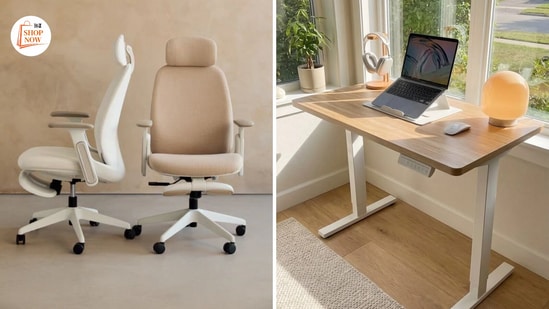
According to Maanoj Tomar, Founder of AFC Furniture Solutions, ergonomics is ultimately about how well furniture fits an individual's requirements rather than how expensive or plush it feels. Here are some important aspects to understand before choosing an ergonomic chair or workstation.
How are ergonomic chairs and workstations manufactured?
The manufacturing of an ergonomic chair or workstation begins much before the actual production process. It starts with design, where ergonomic principles, anthropometric data and the intended use of the furniture determine its specifications. For instance, a chair designed for task-based work may have different requirements from an executive or collaborative seating arrangement. Once the design is finalised, the next step involves selecting and procuring materials. These may include steel, aluminium, engineered wood, foam, fabric, mesh, gas lifts and chair mechanisms. The incoming materials are inspected for quality before being moved to the production line.Metal components are cut, formed, welded and powder-coated, while wooden panels are cut, edge-banded and finished. Upholstery and foam are shaped and stitched before the different chair components, including mechanisms, bases and armrests, are assembled. Workstations also undergo trial assembly to check whether the components fit correctly. After assembly, the products undergo final quality inspections before being packed and dispatched. For projects requiring installation, the furniture is subsequently installed on site.
What quality checks should an ergonomic chair or workstation undergo?
Before purchasing ergonomic furniture, buyers should understand that its quality is not determined by appearance alone. The product should undergo multiple checks to assess its material quality, structural performance, durability and safety.
{{/usCountry}}Before purchasing ergonomic furniture, buyers should understand that its quality is not determined by appearance alone. The product should undergo multiple checks to assess its material quality, structural performance, durability and safety.
{{/usCountry}}According to Maanoj Tomar, the testing process involves three broad stages.
1. Incoming and in-process quality checks: The first stage involves inspecting the materials and components used during manufacturing. This includes checking material quality, weld integrity, coating thickness and dimensional accuracy. These checks help identify inconsistencies before the product moves to the next stage.
2. Structural performance testing: Chairs and workstations need to withstand repeated use. Strength and durability testing against BIFMA standards helps evaluate factors such as repeated loading, seat and back fatigue, stability and caster performance.
3. Compliance and safety checks: Buyers should also look at the relevant certifications and quality credentials associated with the furniture. These include BIS (ISI) certification under the new Indian standards for work chairs, tables and storage, along with indoor air quality and sustainability credentials such as SCS Indoor Advantage Gold and BIFMA e3.
Why does in-house manufacturing matter when buying ergonomic furniture?
The manufacturing process can also influence the quality and consistency of the final product. When different stages are handled across multiple facilities, maintaining uniformity and coordinating production timelines can become challenging. At AFC Furniture Solutions, the manufacturing process is carried out in-house. This includes design and engineering, metal fabrication, powder coating, wood and panel processing, upholstery, assembly, quality control and packing. Having these stages under one roof allows the company to maintain greater control over the production process, material quality and delivery timelines. It also helps ensure that the different components work together as a complete system. For buyers, understanding the manufacturing process can offer a better idea of how the furniture is produced and inspected before it reaches them. The final product should not be evaluated only on individual components but also on how well the entire chair or workstation functions together.
How to identify whether a chair is genuinely ergonomic?
Here are some factors to consider before purchasing an ergonomic chair:
- Look for independent certifications: Check whether the chair has relevant BIFMA test reports, BIS marks or an ergonomic assessment from a recognised organisation. These can provide information about its testing and compliance.
- Check the adjustment features: A suitable ergonomic chair should offer adjustable seat height and depth, backrest height and recline, lumbar support and armrests. These features allow users to adapt the chair to their body proportions and working requirements.
- Try the chair before buying: Instead of judging a chair after sitting on it for a few minutes, spend at least 15 to 20 minutes testing it, as suggested by Tomar. Check whether your feet rest flat on the floor, your knees remain at approximately 90 degrees and your lower back receives adequate support.
Which ergonomic upgrade should you prioritise for a home office?
If you are planning to improve your home-office setup but have the budget for only one major furniture upgrade, Tomar recommends prioritising the chair. A chair is the furniture piece that remains in direct contact with the body for most of the working day. Its design and adjustment features can influence the support provided to the back, neck and shoulders, as well as the overall sitting position. When choosing one, look for adjustable seat height, a supportive backrest and adjustable armrests. These features can help you adapt the chair to your body and working requirements. According to Tomar, a good chair can help you work around an imperfect desk, but a good desk cannot compensate for a poorly designed chair. This makes the chair an important starting point when upgrading a home workstation.
Can a small workstation change make a difference without a major investment?
Improving your workstation does not always require replacing all your furniture. Small adjustments, such as setting the right chair and desk height and positioning the monitor correctly, can make the setup more comfortable. Height-adjustable tables also offer the flexibility to alternate between sitting and standing during the day, helping users avoid remaining in one position for extended periods.
Whether setting up a home office or furnishing a corporate workspace, the right combination of a supportive chair, suitable desk height and flexible working positions can make the workstation more functional for everyday use.
Frequently Asked Questions:
1. What makes a chair ergonomic?
2. What should I check before buying an ergonomic office chair?
7. Which should I upgrade first, an ergonomic chair or a desk?
Disclaimer: At Hindustan Times, we help you stay up to date with the latest trends and products. Hindustan Times has an affiliate partnership, so we may get a part of the revenue when you make a purchase. We shall not be liable for any claim under applicable laws, including but not limited to the Consumer Protection Act, 2019, with respect to the products. The products listed in this article are in no particular order of priority.