Choosing a television is not simply about buying the biggest screen your budget allows. After comparing TVs across different sizes, I have realised that the viewing experience depends as much on the room, seating distance and viewing habits. While a bigger screen can make movies and cricket more immersive, it may not always be the most practical choice. Whether you are comparing a 43-inch vs 55-inch TV or wondering whether a 65-inch screen suits your living room, understanding the ideal TV viewing distance can help you make a more informed decision.
43-inch TV: The practical choice for compact living rooms
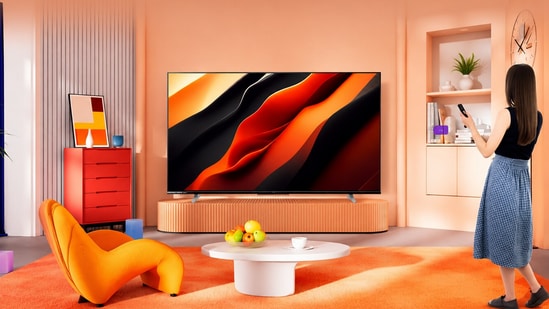
A 43-inch TV is easy to dismiss as larger screens become more affordable, but it still makes sense for many living rooms. If your sofa sits relatively close to the TV or the room is compact, a smaller screen can feel more proportionate and comfortable. It is also a sensible choice for bedrooms, rented homes, smaller apartments, or spaces where the television shares a wall with shelves and furniture. You do not need to rearrange an entire room to accommodate it.
The key is viewing distance. At around six feet away, a 43-inch screen can offer a comfortable field of view for everyday viewing, while sitting much farther back may make films and games feel less immersive. That does not make it a poor choice, particularly if your viewing habits mostly involve television channels, news, YouTube or casual streaming. A smaller screen can also be easier to position and may leave more room for decor or storage.
I would choose 43 inches when practicality matters more than spectacle. It is not the size to buy just because it is cheaper, but it can be the right fit when the room itself sets the limits.
55-inch TV: The sweet spot for most living rooms
A 55-inch TV is arguably the safest middle ground for many living rooms, offering a noticeable step up in screen size without demanding as much space as a 65-inch model. It can make films, sports and games feel more engaging while still fitting comfortably in a typical flat’s living room. For viewers sitting roughly seven to eight feet away, it can strike a good balance between immersion and comfort.
The larger screen is especially useful for cinematic content or fast-moving action, as details are easier to appreciate than on a smaller TV. It can also make shared viewing more comfortable, with the picture easier to see from different seats across the room. But the room still matters. Measure the wall, account for furniture, and check the distance from the main seating position to the screen before deciding.
I would recommend 55 inches to buyers who want their TV to feel like the centre of the living room without dominating it. It is a versatile size for everyday entertainment, from streaming shows and cricket to console gaming, and a practical upgrade for people moving from a smaller television.
65-inch TV: For a more immersive viewing experience
A 65-inch TV is the size I would consider when the living room has enough space, and I want a more immersive viewing experience. The extra screen area makes films feel more cinematic, sport more engaging, and games easier to get drawn into. It is also a useful size for a family, since the picture can remain comfortably visible from across a larger room or from seats spread around the living area.
That said, a 65-inch TV is not automatically the better purchase. It needs a suitable viewing distance and enough wall or cabinet space, while its height and placement should work with the furniture rather than force an awkward setup. Sitting too close can make it harder to take in the entire picture comfortably, especially during fast-moving scenes. Around nine feet is a useful starting point for mixed viewing, although personal preference and room layout matter.
I would choose 65 inches if movies, sports and gaming are a major part of my entertainment and the room can accommodate it. The size offers a stronger sense of scale, but measuring the space before committing remains essential.
Conclusion
Choosing the right TV size ultimately comes down to your room, viewing distance and how you intend to use it. A 43-inch TV makes sense for compact spaces, while a 55-inch model offers a balanced experience for most living rooms. If you have the space and want a more immersive experience, a 65-inch screen can make films, sport and games feel more engaging. I would measure my room, consider my viewing habits and choose a size that feels right rather than simply going bigger.
Also Read:
Portable or party speaker? Here's what I'd buy for better sound at home and outdoors
Disclaimer: At Hindustan Times, we help you stay up-to-date with the latest trends and products. Hindustan Times has an affiliate partnership, so we may get a part of the revenue when you make a purchase. We shall not be liable for any claim under applicable laws, including but not limited to the Consumer Protection Act, 2019, with respect to the products. The products listed in this article are in no particular order of priority.